How one omitted word reversed a commandment
In a 1631 reprint of the King James Bible, the Seventh Commandment appeared as “Thou shalt commit adultery.” The missing word was “not”—a tiny piece of type with the power to turn a prohibition into an instruction.
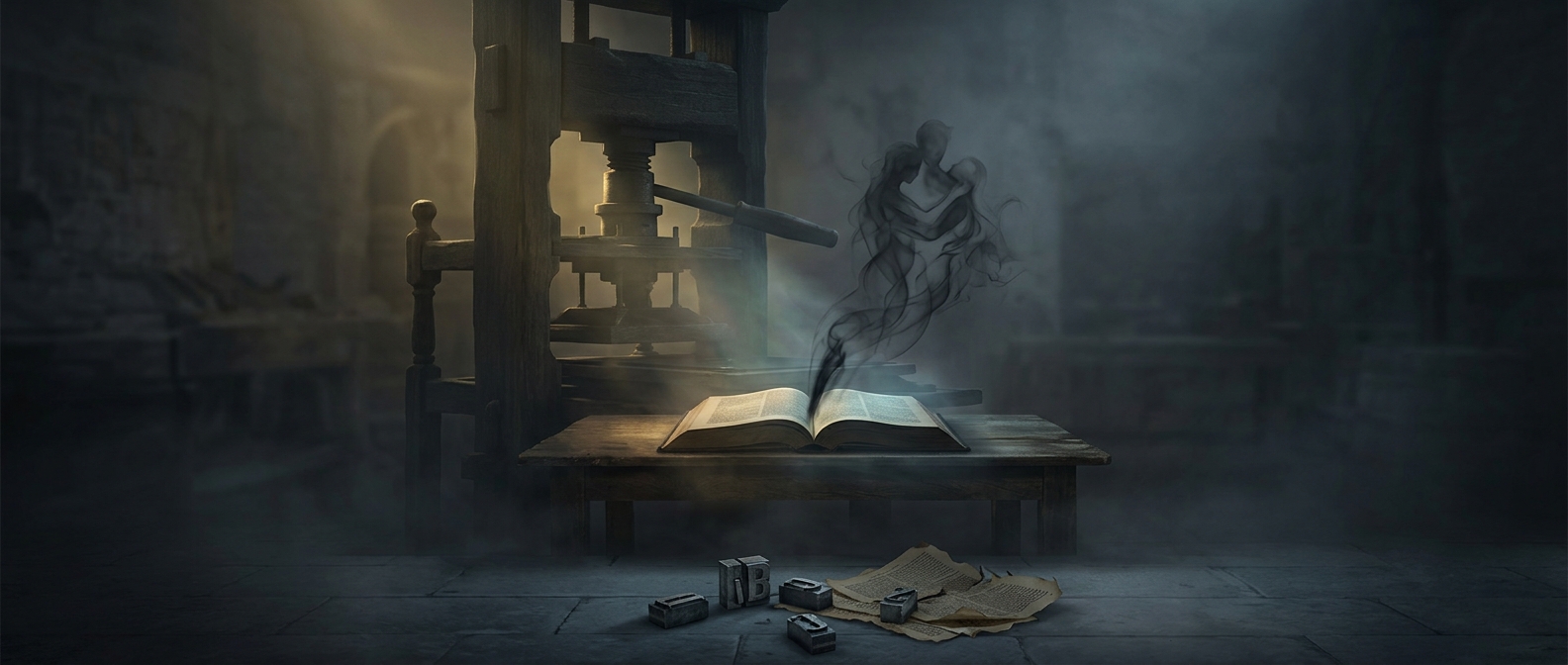
Books in the period were set by hand: a compositor arranged individual metal letters and spaces into lines, then those lines were printed on a press. A short word could be missed during composition or escape notice when the printed sheets were checked. The surviving account identifies the omission, but does not establish exactly how it happened.
Why the error became a scandal
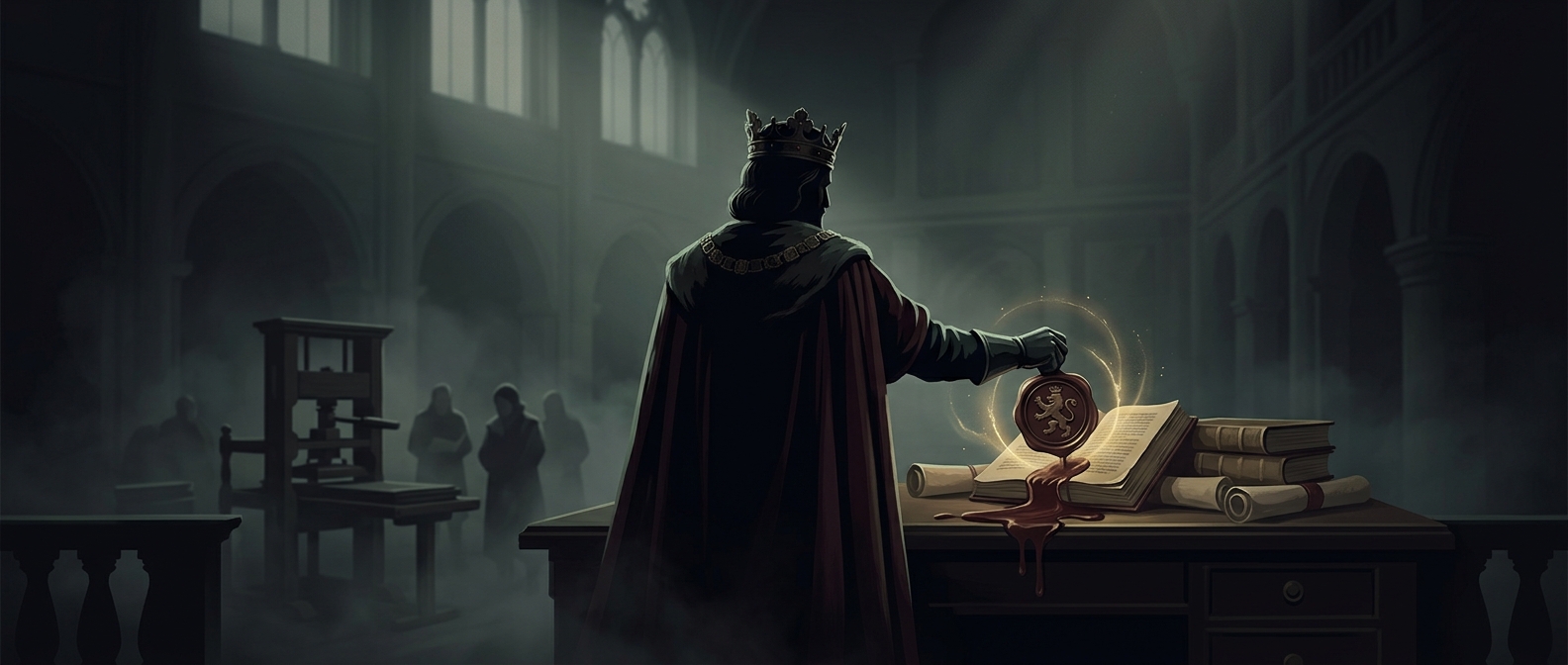
This was not a change to the commandment accepted by church or state. It was a printing error in a particular edition, and its bluntly reversed wording made it impossible to treat as an ordinary typo. King Charles I fined the printers, and almost all copies were burned.
The episode is often remembered as the “Wicked Bible.” Its notoriety came from the collision of a small mechanical failure with a sentence readers knew carried moral authority: remove one short word, and the page says the opposite of what it is supposed to say. The few copies that escaped destruction preserve that reversal as a reminder that, in a hand-set book, a single missing piece of type could alter the meaning of an entire command.