Why red recedes when the house lights dim
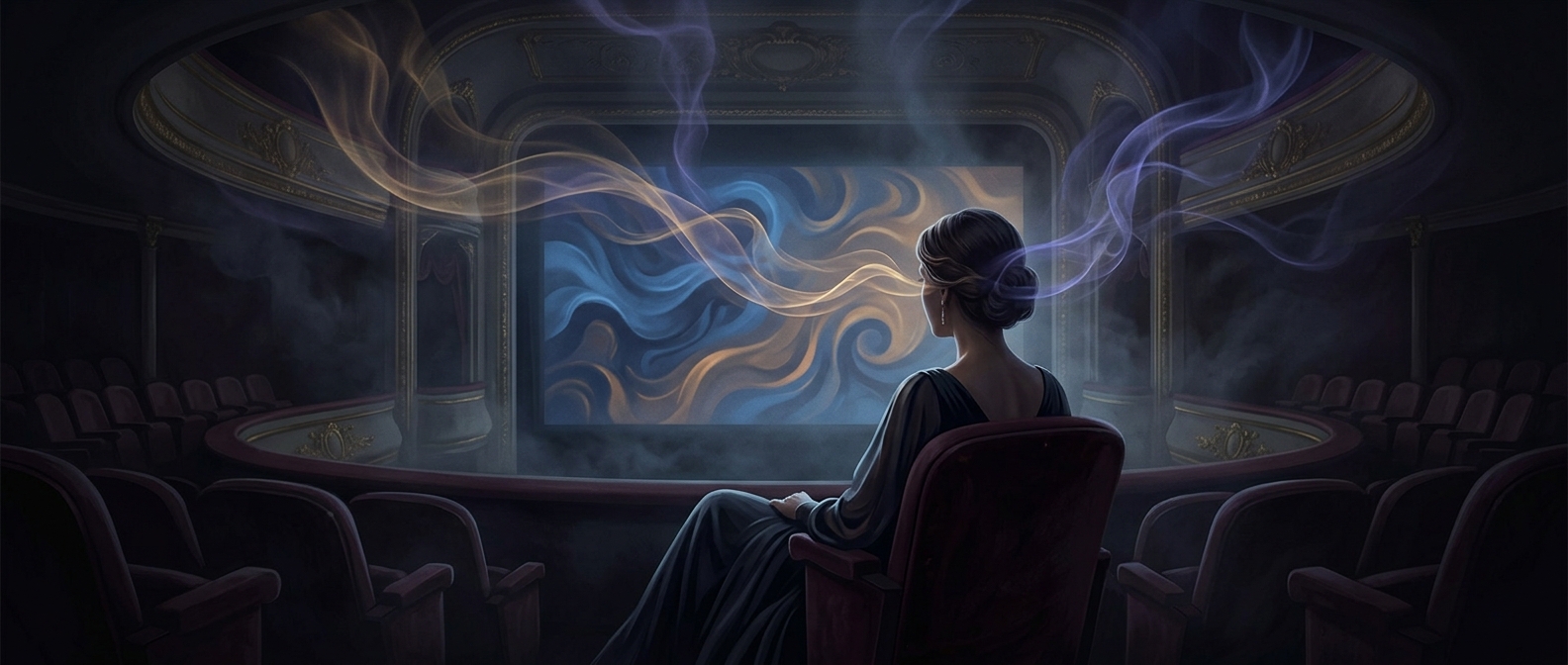
In bright conditions, color vision relies heavily on cone cells, which distinguish wavelengths across the spectrum. As a room darkens, the more light-sensitive rod cells take over. Rods are poor at registering long-wavelength red light; their peak sensitivity is closer to blue-green. This shift is why a red surface can look vivid in a lit room but comparatively dark under dim illumination.
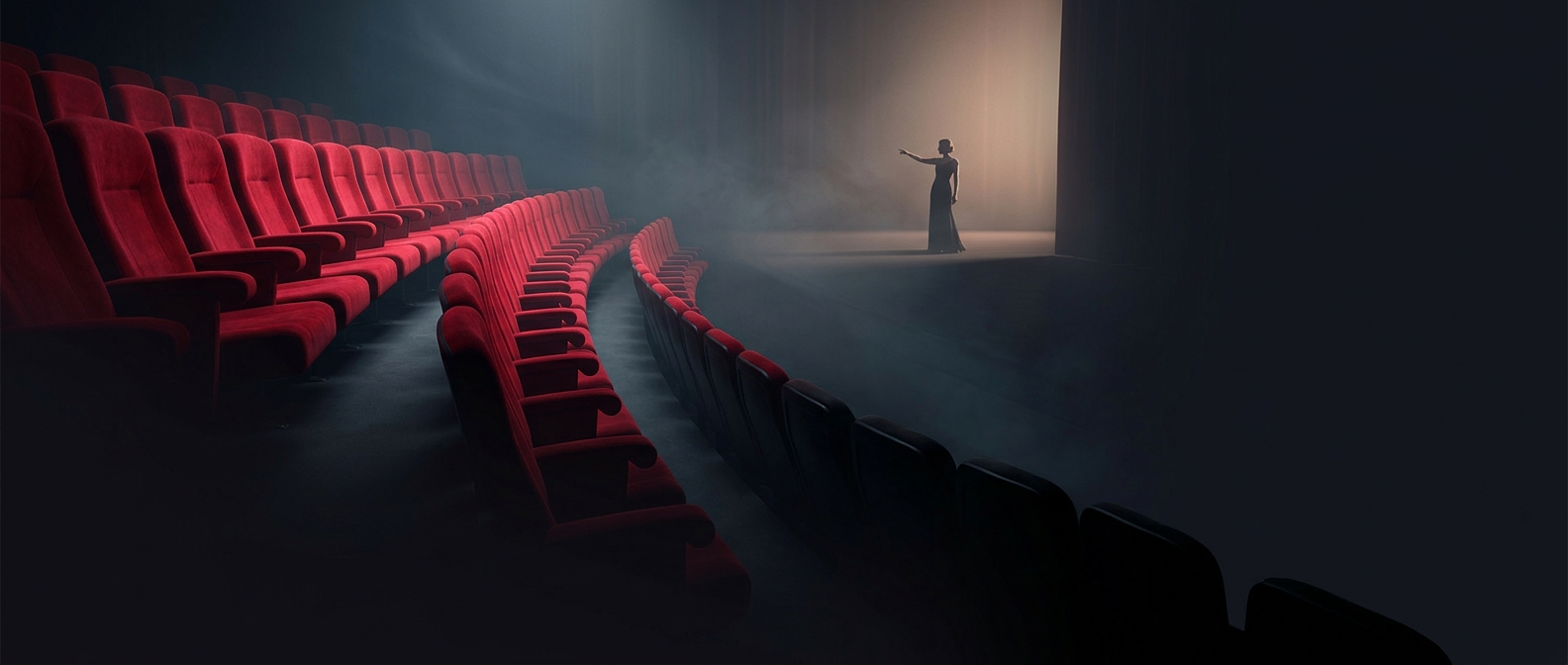
A cinema seat does not vanish in the dark. Its appearance depends on the fabric, the room’s lighting, and how much light reaches it. But red upholstery tends to return less visually prominent color information to the audience than a brighter blue, green, or white surface would.
A practical choice, not a magic screen effect
The point is to keep the audience’s attention on the image. Even a small patch of bright color near the screen can compete for notice, especially during quiet or dark scenes. Seats that become subdued as the room darkens are less likely to pull the eye away.
That does not mean red makes a theater darker or improves the projected picture. It is a design choice that takes advantage of how human vision changes with light. The next time the lights fade, the seat backs around the screen may still be there—but your eyes are less inclined to treat them as part of the show.