The Hotel’s First Impression Starts at the Curb
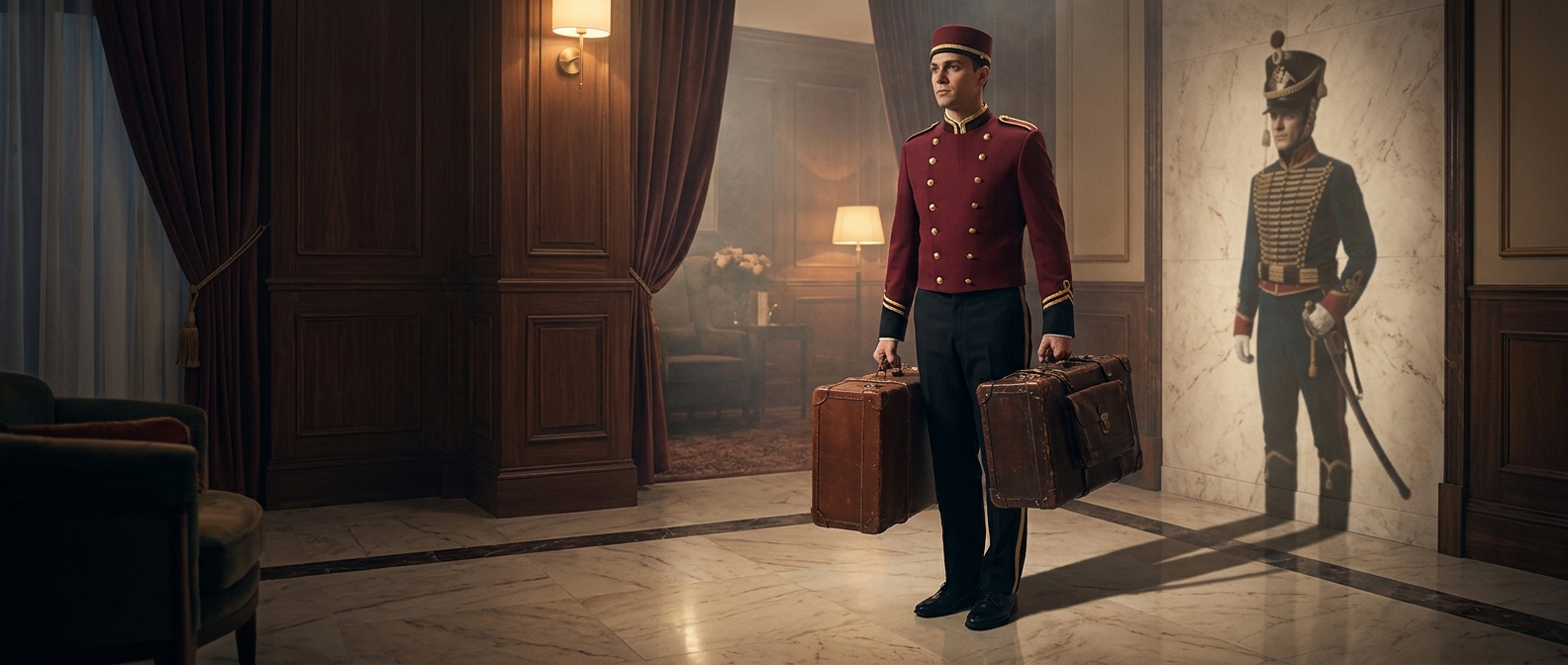
A guest often encounters a hotel’s service before reaching its front desk. A doorman stationed at the entrance makes that transition feel managed: someone notices the arrival, handles the door, and can direct a car or luggage. Those small acts turn an unfamiliar doorway into a clear point of welcome—and make the hotel seem attentive from the outset.
Why the Details Matter
The impression depends on more than the uniform. A neat appearance, calm manner, and readiness to help suggest that the hotel pays attention to its surroundings and its guests. In luxury hospitality, that visible care can serve as evidence of a broader promise: service will be personal, orderly, and available without guests having to ask where to begin.
The doorman also helps shape the pace at the entrance. By coordinating with drivers, bell staff, and the lobby team, the person at the door can keep arrivals from feeling confused or chaotic. The role is practical, but the way it is performed gives those practical tasks a sense of ceremony.
A Signal the Hotel Has to Sustain
A polished entrance creates expectations. If a guest is greeted warmly outside but then struggles to find help inside, the first impression loses force. The doorman’s presence therefore works best as the visible edge of a service system, not as a substitute for one. The doorway makes the hotel’s promise tangible before the guest has seen a room.