How two embryos can become one body
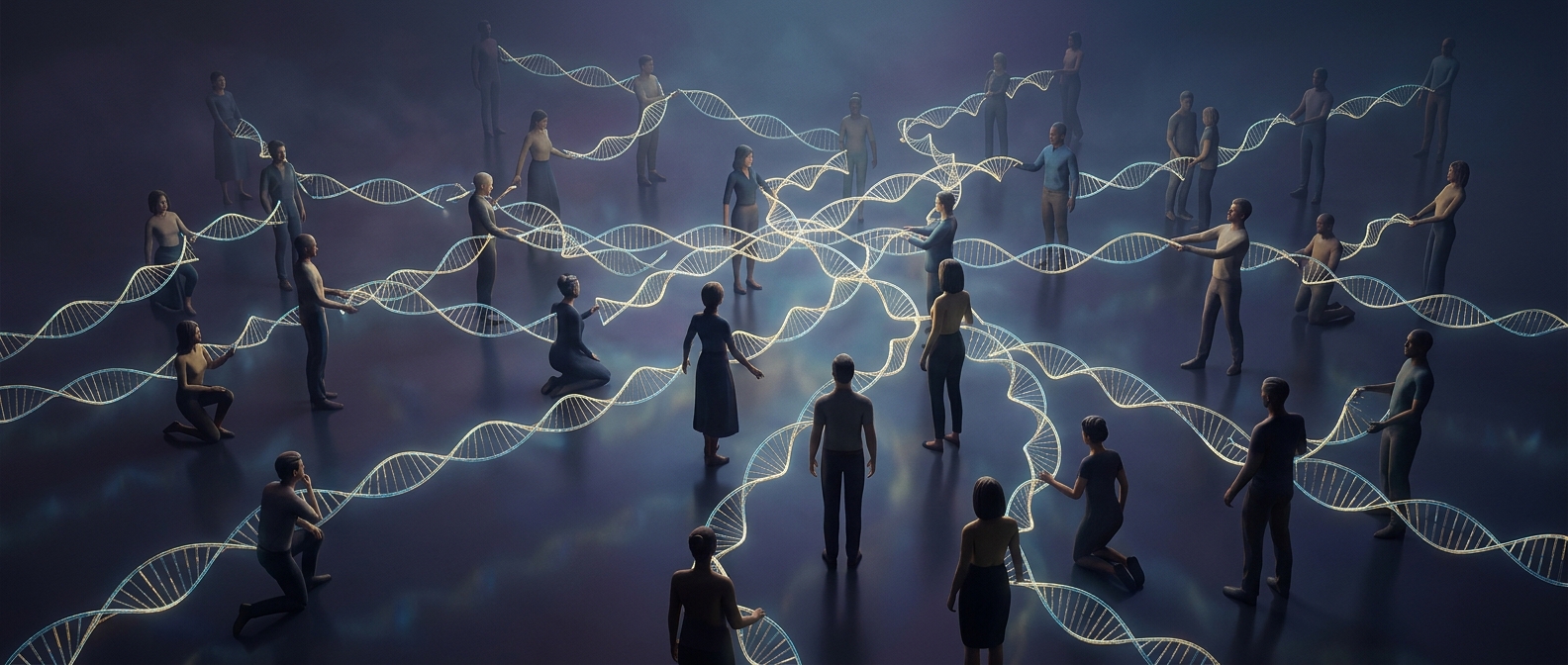
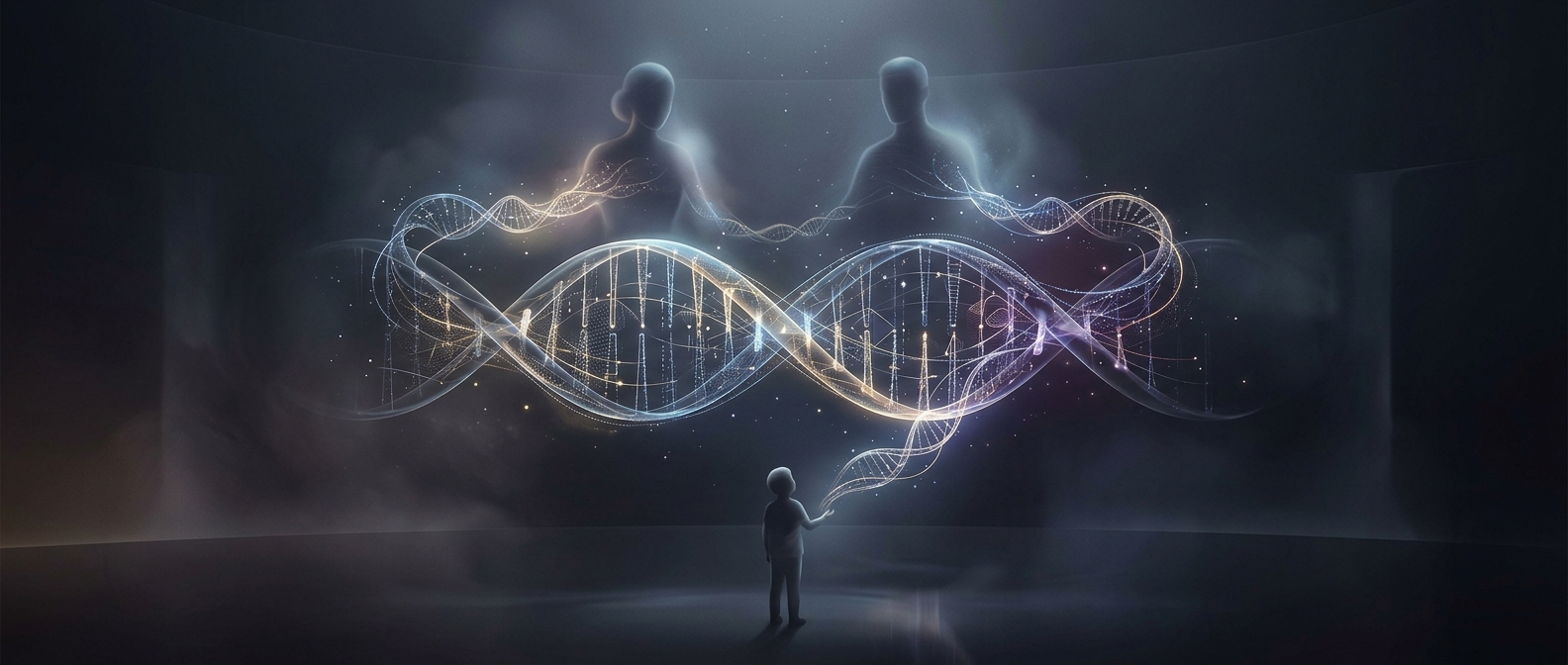
In one form of chimerism, two separately fertilized eggs begin developing, then their early cell clusters merge. The resulting embryo continues as a single pregnancy, but some cells descend from one original embryo and some from the other. Because each embryo began with its own fertilized egg, the cell groups can carry different genetic profiles.
This is different from a change in DNA occurring within one developing embryo: here, the distinct cell lineages trace back to two starts. The cells are distributed as the body develops, and their proportions can vary from one tissue to another. A person may therefore have one genetic profile in some cells and another in others—not two complete genetic identities present in every cell.
Why a test can tell an unexpected story
Many genetic tests examine a particular sample, such as blood or a cheek swab. They report the DNA in the cells collected, not necessarily the DNA in every tissue. If one cell lineage is common in blood but scarce elsewhere, a blood result may differ from a result from another sample. That mismatch can prompt further testing rather than immediately explaining itself.
The distinction can matter in medical or identity testing, including investigations of biological relationships: a sample from one tissue may not represent the genetic profile found in another. Chimerism does not mean a person is ill, and it may never be noticed. Sometimes its clearest sign is simply that two well-collected samples from the same person do not match as expected.