Why typing continues while the eyes close
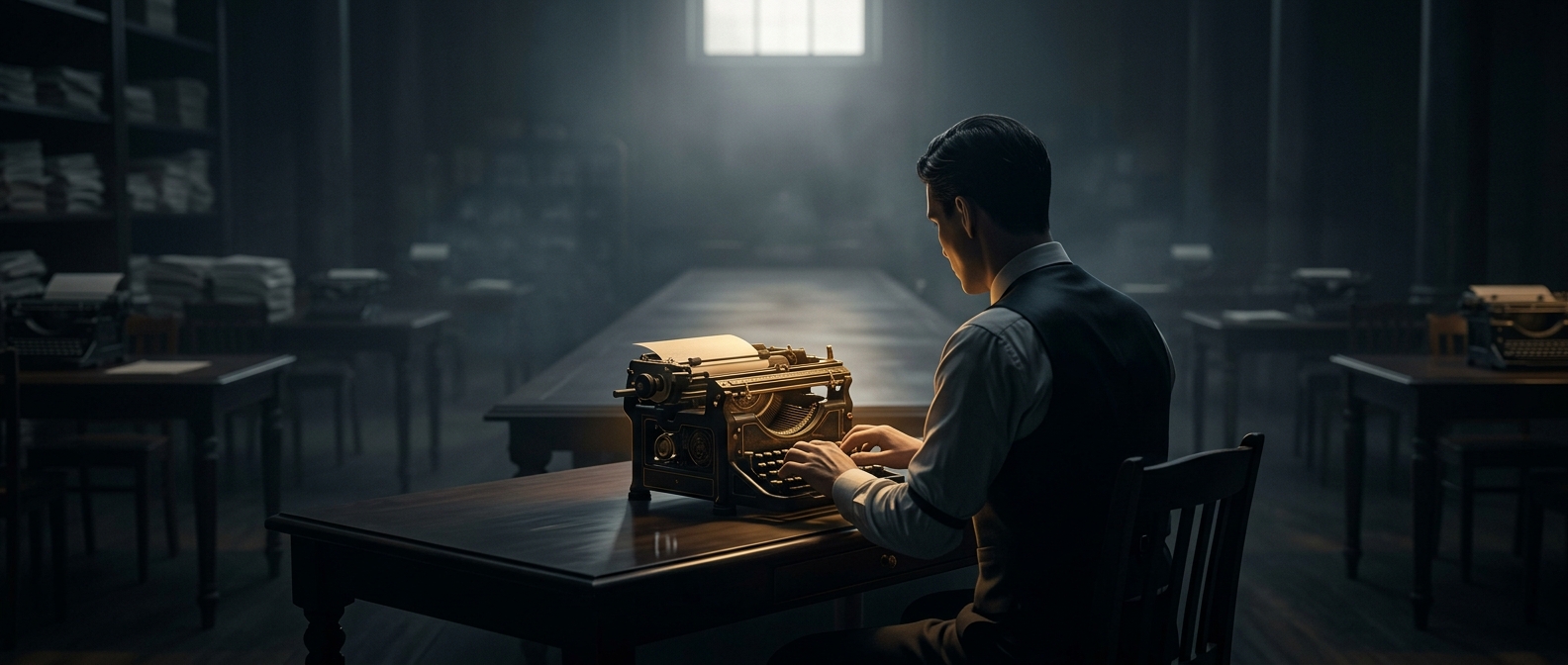
A blink briefly interrupts the view of the screen, but it does not usually interrupt the hand movements already underway. In fluent touch typing, fingers follow practiced patterns: the typist can move from one key to the next without checking the keyboard or consciously planning each press. The eyes may be reading ahead, while the hands execute the previous words.
That division of labor makes a blink less like a pause button and more like a moment when one source of feedback goes temporarily dark. The hands can keep moving from muscle memory, and the brain smooths over the brief gap in visual input so the interruption does not feel like a sudden blackout.
A blink can conceal a small burst of work
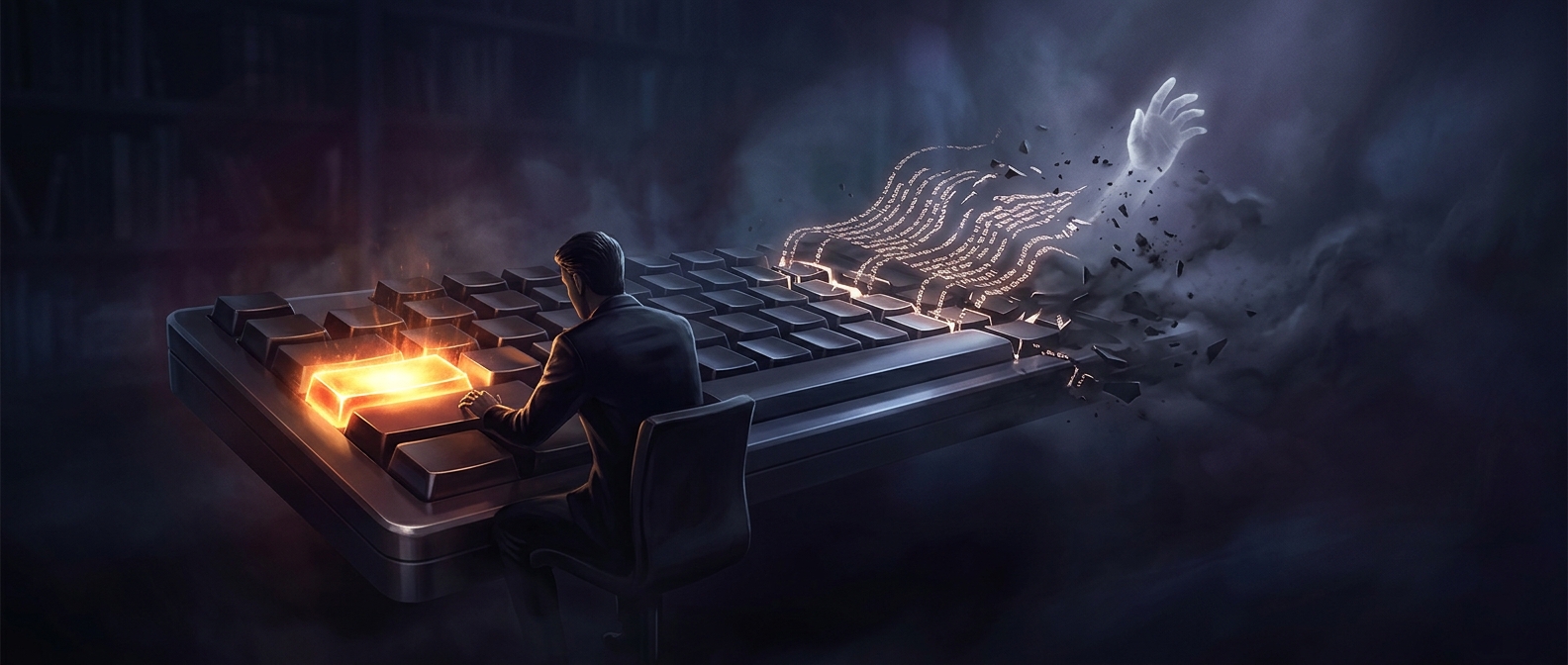
At a fast typing pace, keystrokes arrive close together. If a blink overlaps several of them, those presses happen normally; the typist simply cannot see the screen during that instant. When the eyes reopen, the newly typed characters are already there.
This works best when the movement is familiar and the text is flowing. A typo, an unfamiliar symbol, or a need to locate something on the screen can pull attention back to vision. The blink hides the keystrokes from sight, not from the hands.