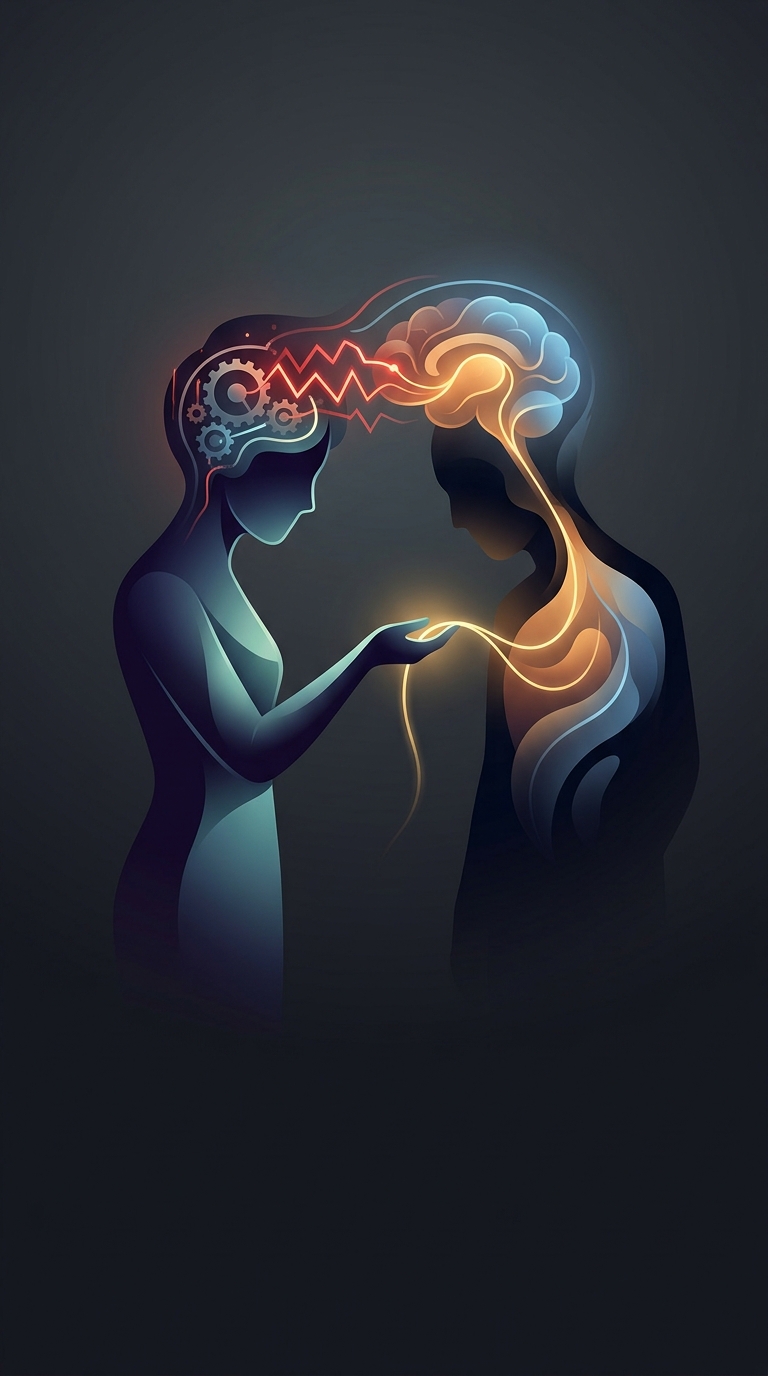
Why Helping Someone Can Change How You See Them
People often assume their actions follow their opinions: we help someone because we like or respect them. But when our behavior clashes with our existing view—say, we do a favor for a person we dislike—we may use the behavior itself as evidence about what we feel. That shift in self-understanding is one explanation for the Benjamin Franklin effect: helping can sometimes make the recipient seem more likable to the helper.
The Mind Uses Behavior as a Clue
Psychologists call this kind of reasoning self-perception: when our feelings are unclear or inconsistent, we infer them partly by observing what we do. If you go out of your way to help someone, your mind may ask, implicitly, why you chose to do it. “Perhaps this person isn’t as bad as I thought” is one possible answer.
The favor can also create a small psychological mismatch. You may think of yourself as sensible and deliberate, yet you have spent time or effort assisting someone you consider an enemy. Revising your view of the person can make those two pieces fit together more comfortably. The change need not be conscious, and it does not guarantee that affection will follow.
Why the Effect Has Limits
A favor is not a switch that turns dislike into friendship. Its influence depends on how the act is interpreted. If helping was required, forced, or plainly done for another reason, it offers little evidence about your feelings. A freely chosen favor, by contrast, can invite the question of why you were willing to make the effort.
That makes the effect less a social trick than a subtle consequence of how people explain their own choices. When the action is voluntary and the motive is not obvious, helping someone may change not only what they receive, but also the story you tell yourself about why you helped.