A lake beneath the Antarctic ice sheet
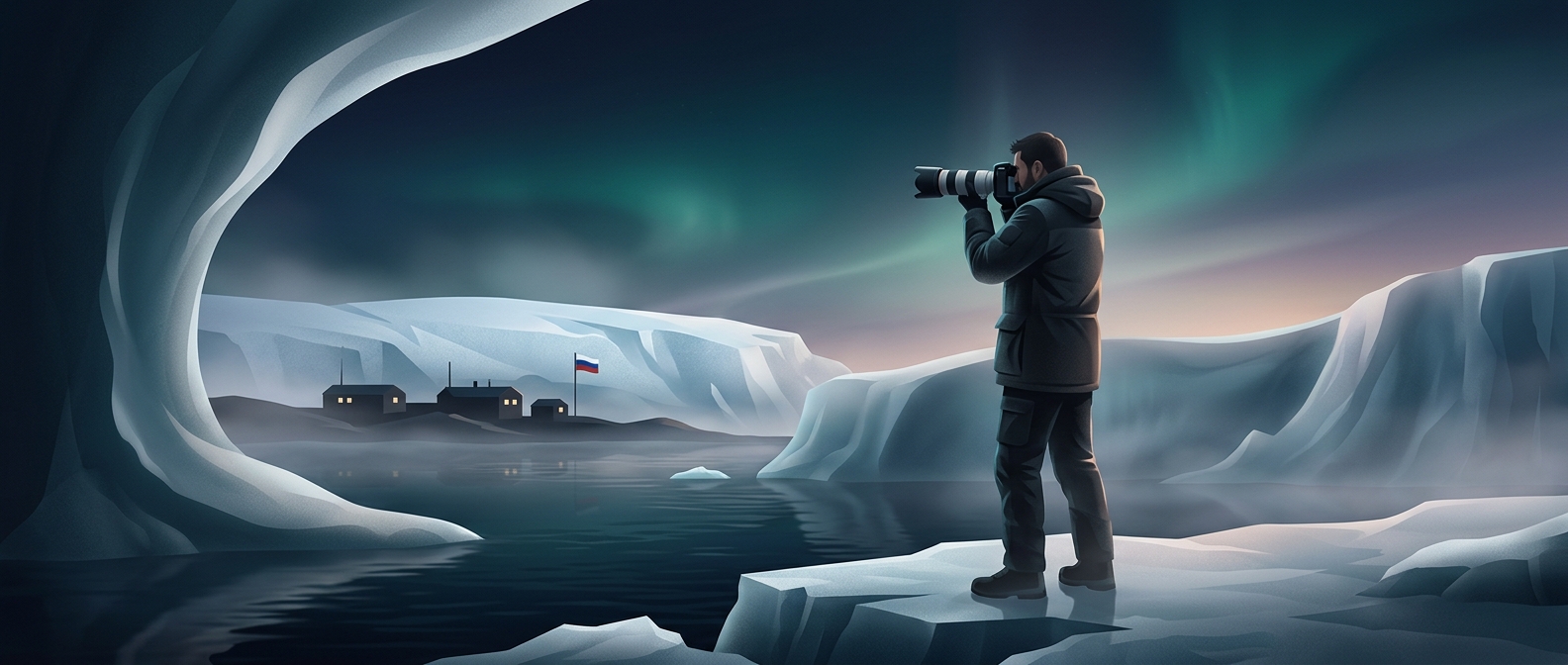
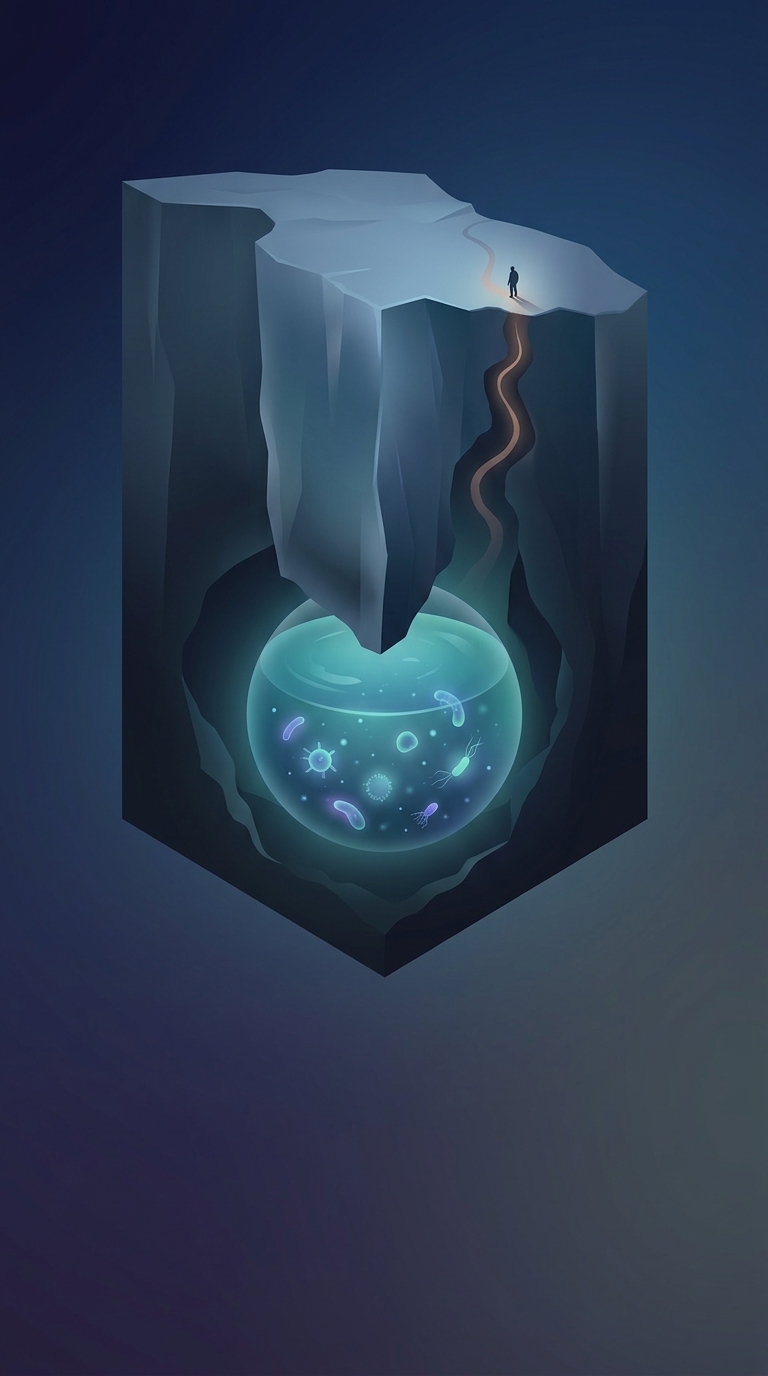
Lake Vostok lies beneath the East Antarctic ice sheet, near Russia’s Vostok research station. It is hidden under roughly four kilometers of ice—so much weight that the lake’s water remains liquid despite the surface’s severe cold. Heat rising from Earth’s interior helps keep the lake from freezing solid, while pressure from the overlying ice lowers water’s freezing point.
The ice above it is not simply a lid. It is a record of the boundary between the lake and the surface: snow accumulated over time, was compressed into ice, and eventually flowed down to the lake. As that basal ice melted into the lake, it could carry traces of material from the ice sheet into the water.
How scientists investigate a sealed environment
Researchers cannot look directly through kilometers of ice, so they drill a narrow borehole and study ice and water brought toward the surface. Ice that formed from lake water can preserve clues about what was dissolved or suspended there. Such samples have prompted reports of microbial traces, though separating genuine lake life from material introduced during drilling is a major challenge.
That challenge matters because the lake’s value lies in its isolation. With no sunlight, organisms would have to get energy from chemical reactions involving minerals or other compounds, rather than from photosynthesis. The cold, darkness, limited nutrients, and pressure make it a very different habitat from a pond on the surface.
Why the isolation matters
Lake Vostok offers a rare way to investigate how life might persist in an environment cut off from sunlight and the surface ecosystem. Its water may have been isolated for millions of years, although the precise history is difficult to establish. The same thick ice that protects the lake also makes every sample hard to interpret: scientists must distinguish evidence of life below the ice from contamination carried down or back up the borehole.