The zombie as a fate worse than death
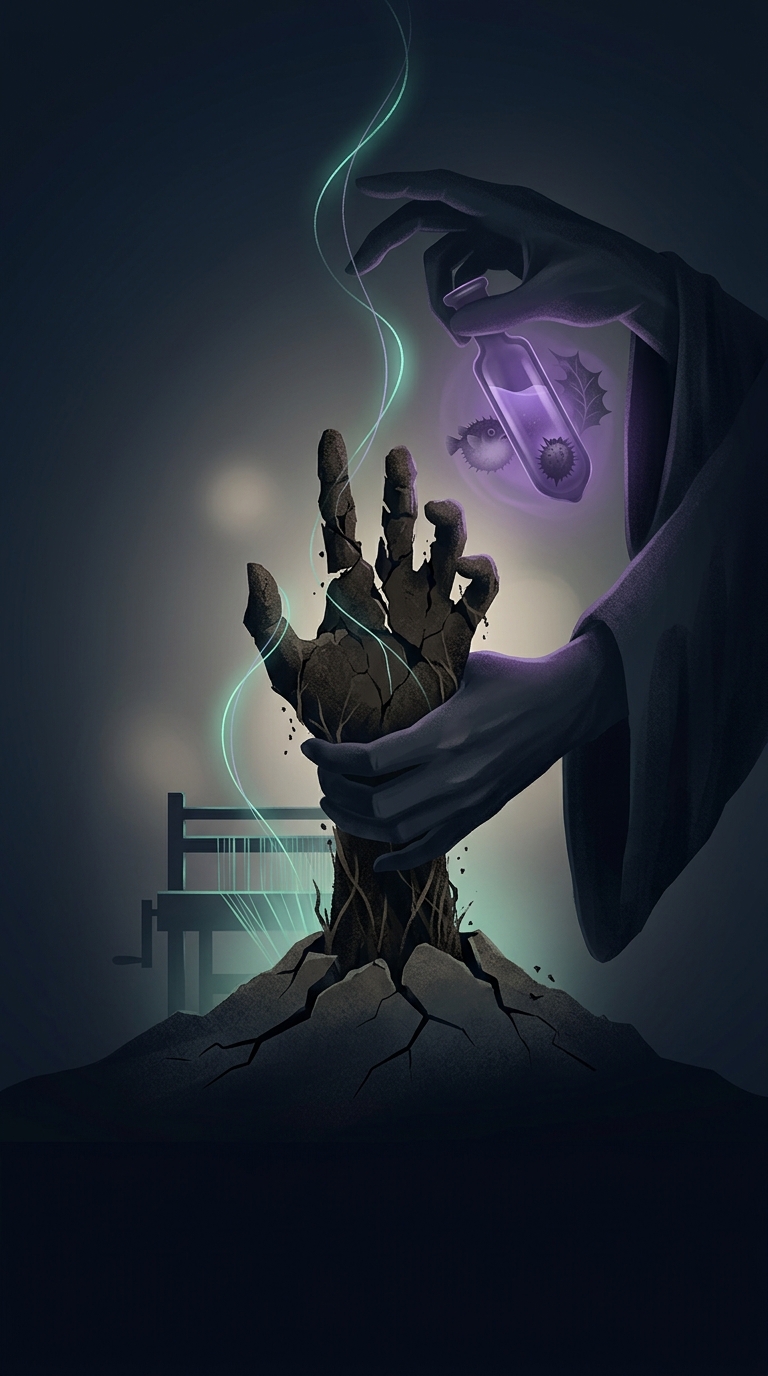
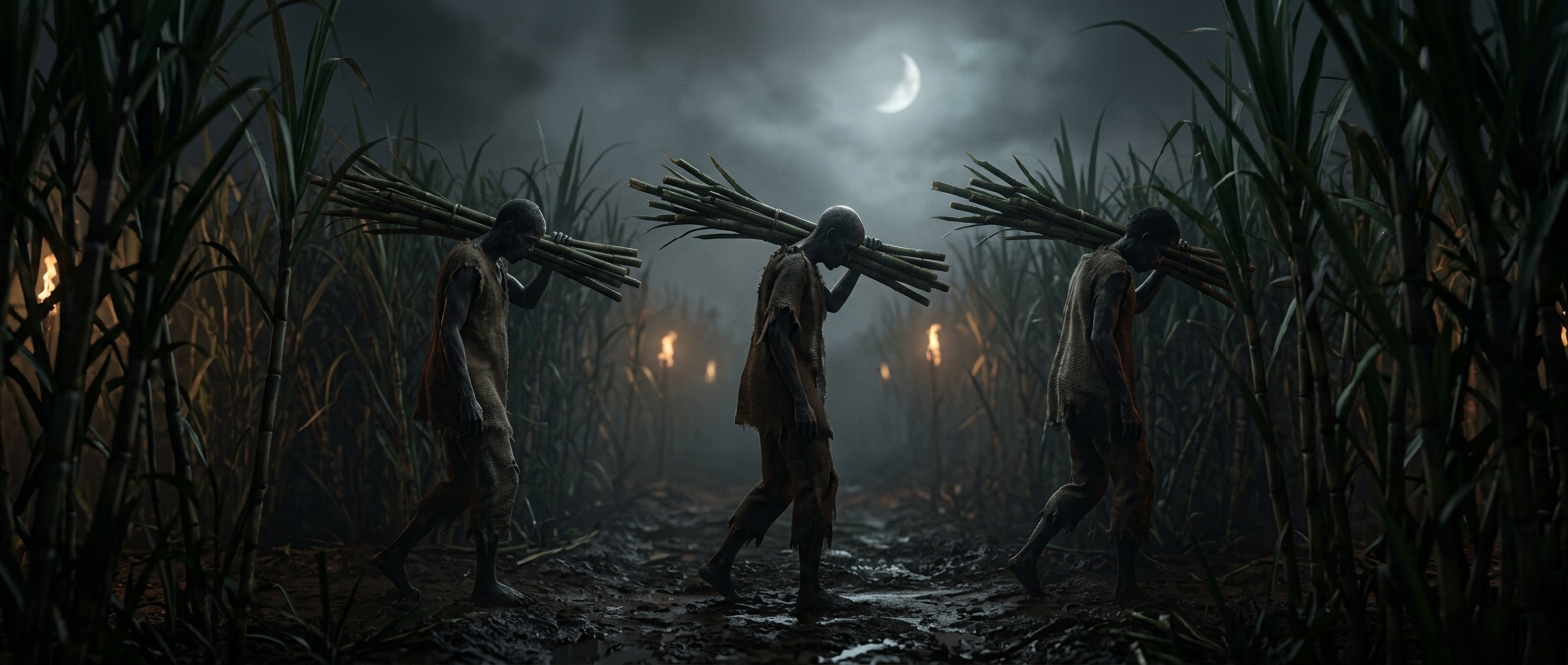
In Haitian belief and folklore, zombification is not simply a dead body returning to attack the living. It is a person stripped of freedom: a sorcerer is said to capture the person’s soul, leaving the body available to be controlled. In stories about this fate, the zombie may be made to labor endlessly, including on a sugarcane plantation.
That image carries a particular force in Haiti, where generations of enslaved people were compelled to work on plantations under French colonial rule. The zombie’s forced labor turns that historical violence into a supernatural nightmare: even death offers no escape from being owned and worked.
Why the plantation matters
Sugarcane plantations depended on exhausting, coercive labor. Against that history, a body made to work without will or rest is more than a frightening monster. It evokes the fear of losing one’s personhood—the ability to choose, act, and belong to oneself. The story’s horror lies not in a craving for human flesh, but in the possibility of being reduced to a tool.
This meaning belongs to a complex set of Haitian beliefs and traditions, not to a single, uniform doctrine. The familiar image of a mindless, attacking undead creature was later popularized in international entertainment, where the emphasis often shifted from forced labor and lost agency to physical threat.
A story shaped by remembered coercion
The plantation setting makes the zombie’s fate legible through Haiti’s history: forced work was not an abstract fear but a defining experience of slavery. The supernatural story gives that fear an afterlife. Its most unsettling implication is that the ultimate punishment is not merely dying—it is being made to labor as though freedom had never existed.