How a Haitian Zombie Story Became a Poisoning Theory
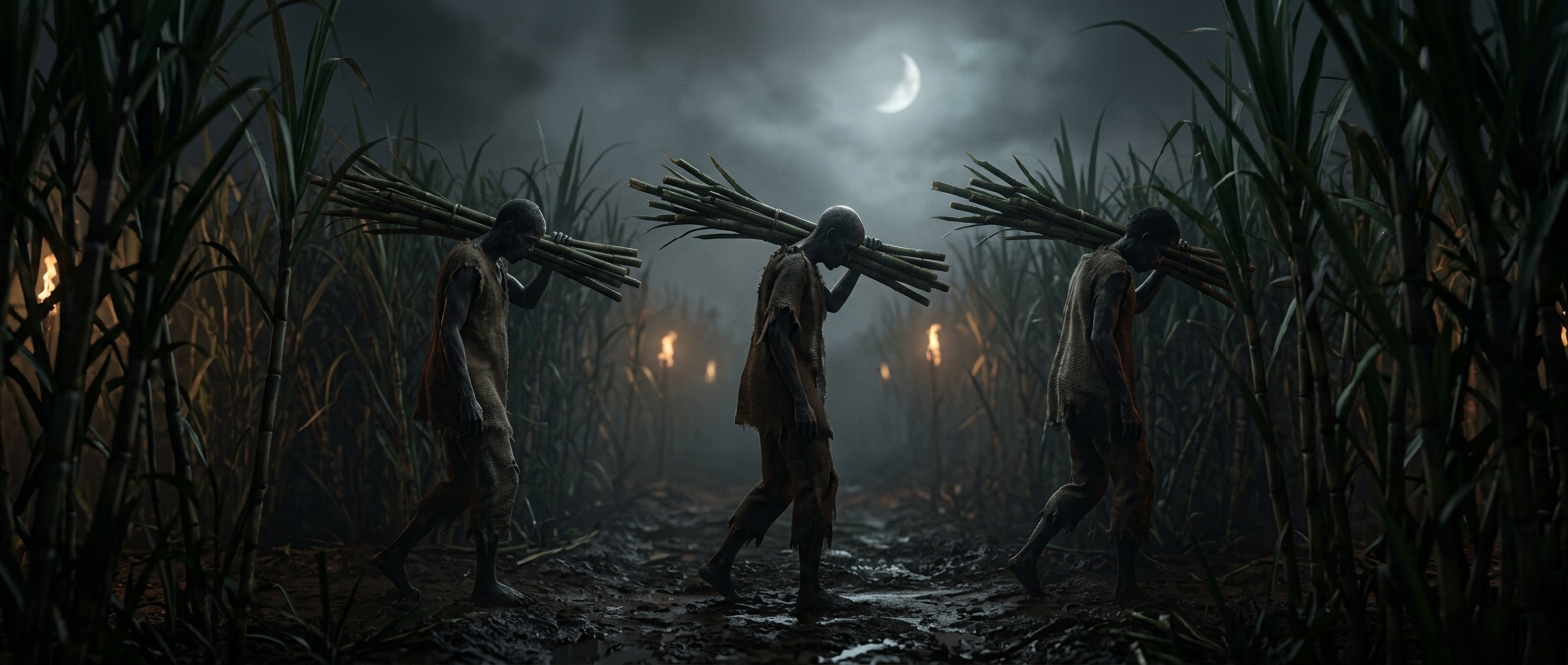
In Haitian Vodou, a bokor is commonly described as a practitioner who can use spiritual power for harmful ends. The zombie belongs to a wider history of enslavement and social control: the image of a person stripped of freedom and forced to work carries particular force in a society shaped by slavery. That cultural meaning is distinct from the question of whether a living person could be made to look dead through poisoning.
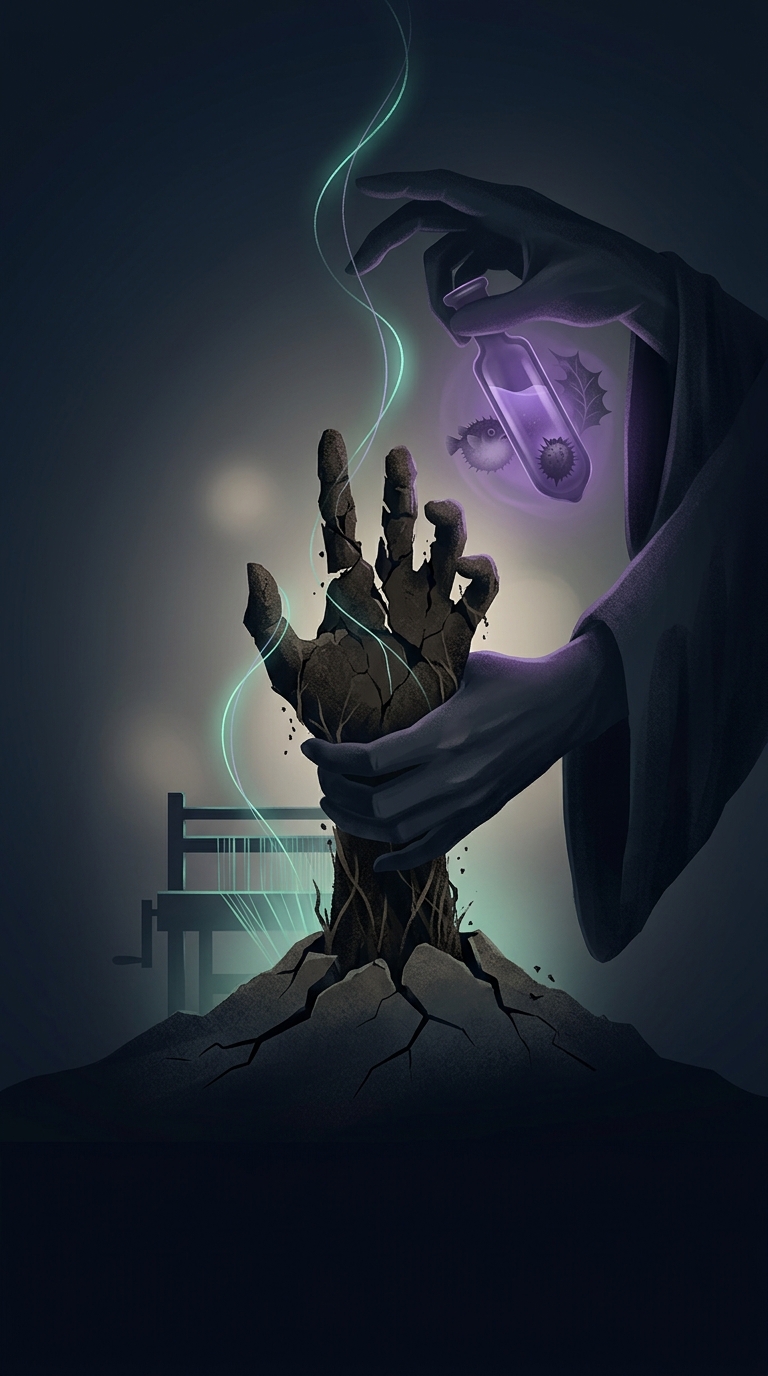
In the 1980s, ethnobotanist Wade Davis proposed a physical explanation for some reported zombie cases. He focused on tetrodotoxin, a powerful poison found in pufferfish. The toxin can disrupt signals between nerves and muscles, causing paralysis; in severe poisoning, a person may appear lifeless. Davis suggested that someone might be mistaken for dead, buried, and later revived.
What the Proposed Drugs Could—and Could Not—Explain
Davis also pointed to Datura stramonium, a plant that can cause confusion, delirium, and memory loss. In his account, it could help keep a victim disoriented after the initial poisoning. These substances can produce dangerous neurological effects, but that does not establish that they were used to create zombies in the way his theory described. The doses and effects of tetrodotoxin are unpredictable, and the proposed chain of poisoning, burial, recovery, and prolonged control has not been firmly demonstrated.
The distinction matters: a toxin-based explanation is a hypothesis, not proof that Vodou practitioners routinely drugged people into labor. The zombie story may express real fears of coercion and loss of personhood without serving as a literal account of a repeatable method. Its unsettling power comes partly from that overlap: the supernatural image of the dead at work echoes the very human reality of people deprived of their freedom.