What “world soul” means
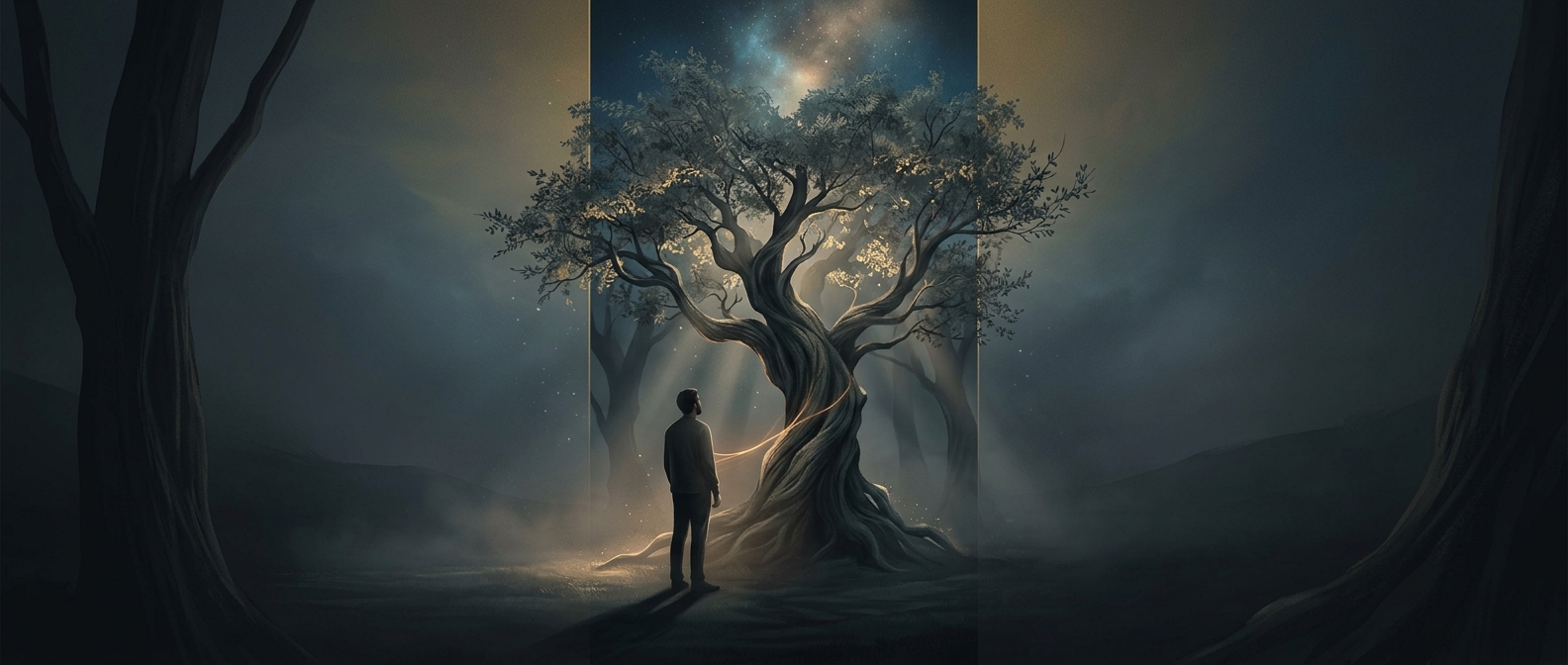
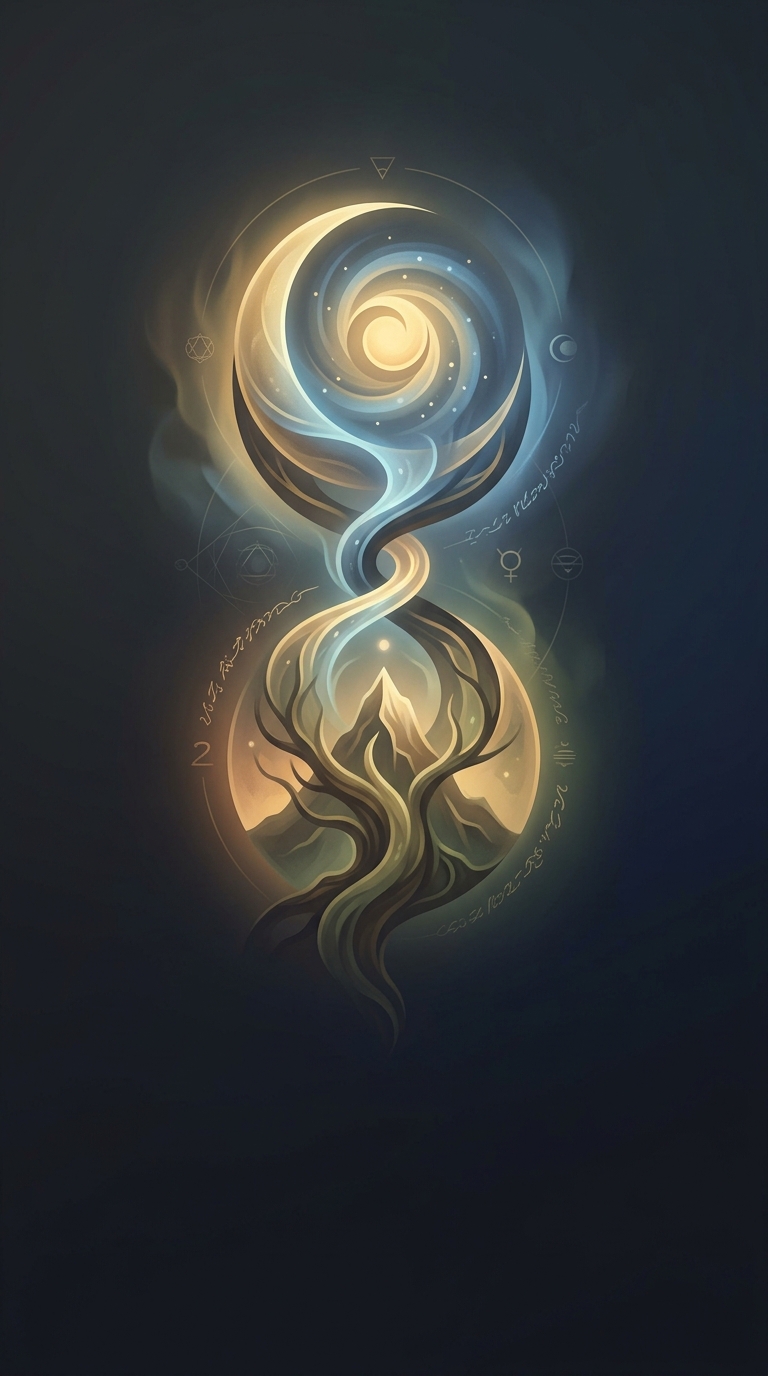
Anima mundi is Latin for “soul of the world.” In this philosophical and spiritual idea, the cosmos is not merely a collection of separate objects. A single life-giving principle runs through it, joining living creatures and seemingly lifeless matter into one ordered whole.
The image of a soul is doing more than saying that nature is alive in the ordinary biological sense. It suggests that the world’s parts belong to a larger unity, much as a body’s organs belong to one organism. The idea is associated with ancient Greek philosophy, including Plato’s account of a world-soul that gives the cosmos order and motion.
A different picture of nature
If the world shares one animating principle, the boundary between “living” and “nonliving” becomes less absolute: stones and stars need not be conscious like people to have a place within the same meaningful whole. That is a metaphysical claim—a view about the underlying nature of reality—not a finding established by biology or physics.
Its practical implication is a shift in perspective. Instead of treating nature as a backdrop made up of unrelated resources, a person drawn to anima mundi may see human beings as participants in a larger whole. The memorable consequence is not that every object has a humanlike mind, but that nothing is entirely separate from the world that sustains it.