What the Qlippoth’s “Husks” Conceal
The word qlippoth (also spelled kelipot) means “shells” or “husks.” In some strands of Jewish Kabbalah and later Western esoteric writing, it names forces or realms associated with concealment, disorder, and spiritual impurity. The image is not simply of empty containers: a husk surrounds something, but keeps its inner life or holiness from being seen clearly.
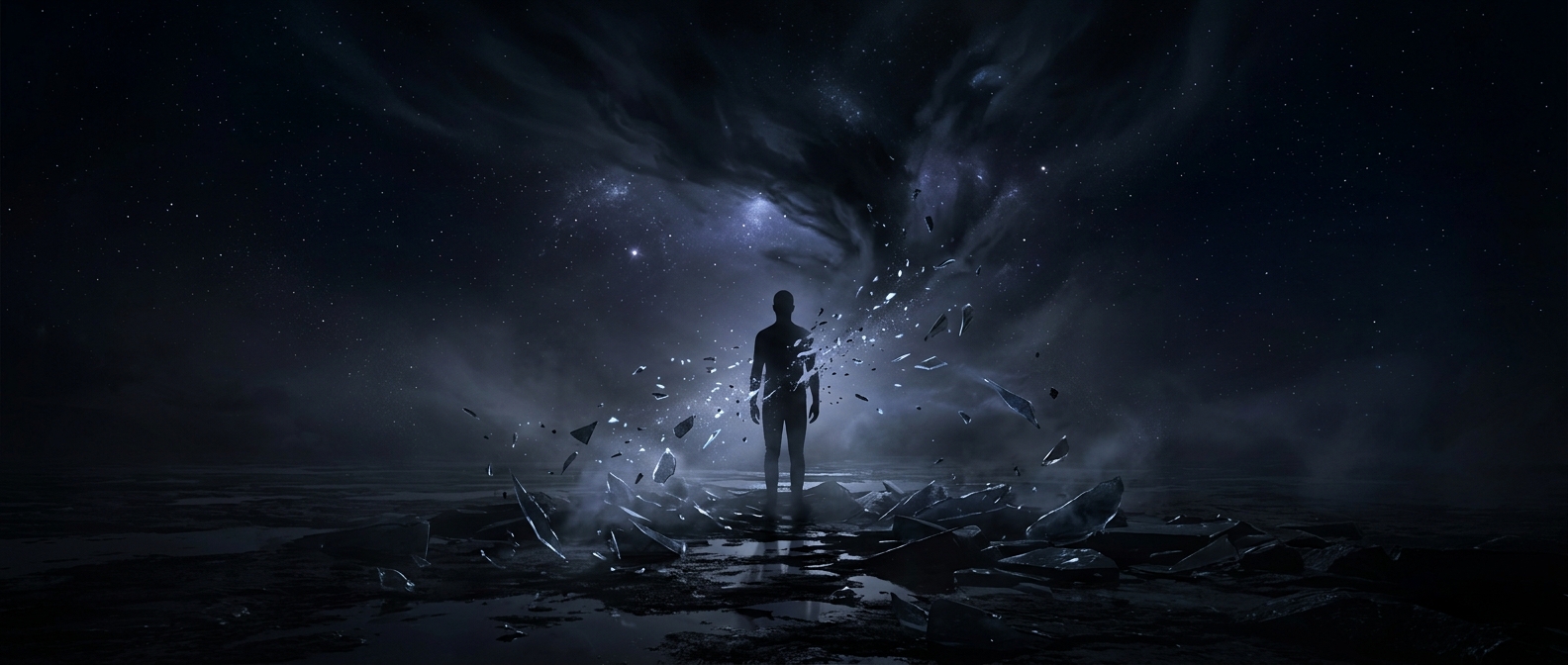
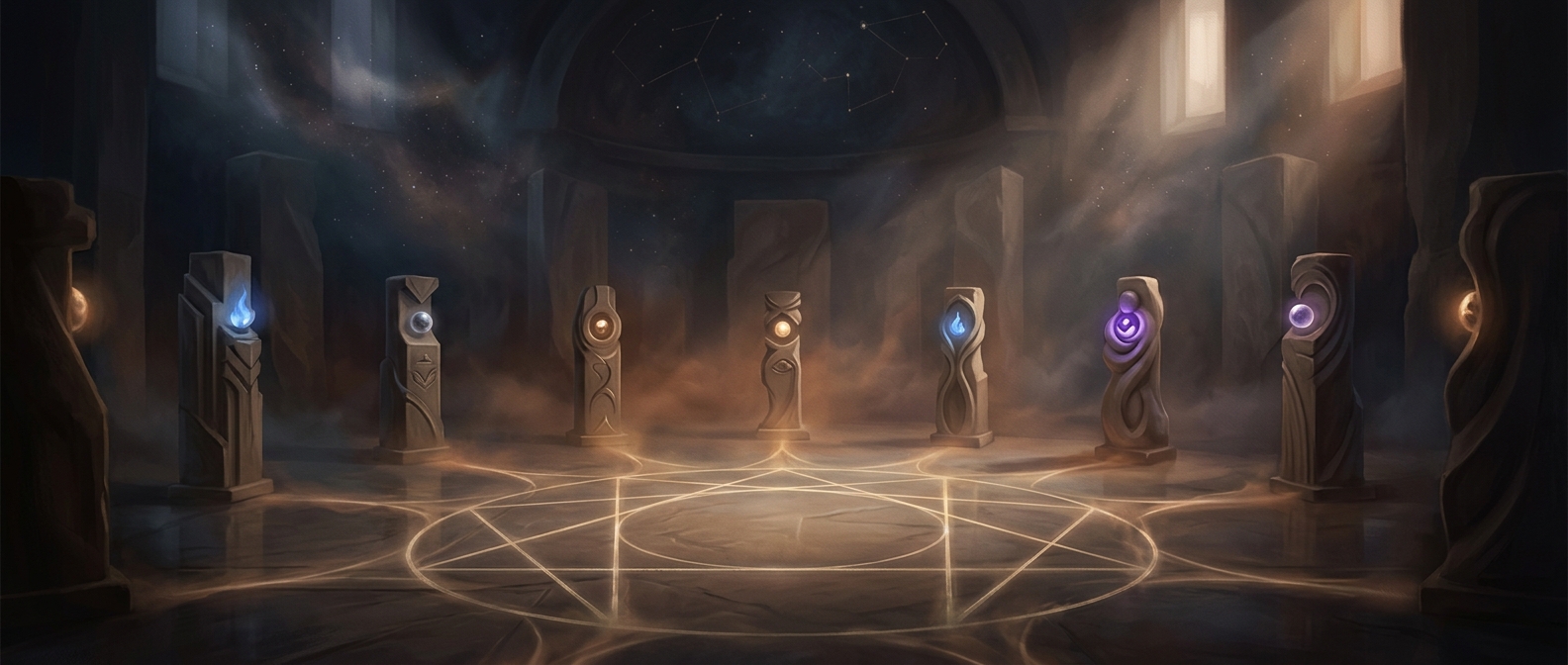
That metaphor makes sense within a mystical picture of creation in which divine presence is expressed through the world. In some Kabbalistic accounts, spiritual light is contained in vessels; when those vessels fail or break, fragments and shells remain. The shells can obscure the sacred spark associated with them, turning what might have carried meaning into something disconnected or chaotic.
Why They Are Called Draining or Chaotic
Later interpretations often portray the qlippoth as hostile powers that draw strength from holiness or from human wrongdoing. “Feeding on spiritual energy” belongs to this symbolic and supernatural framework, not to a measurable physical process. The image gives spiritual disorder an active role: it does not merely lack goodness, but can distract, ensnare, or divert attention from it.
The idea also changes across traditions. Kabbalistic texts and later occult systems do not all describe the qlippoth in the same way; some treat them as aspects of cosmic imbalance, while others develop them into more distinct demonic realms or beings. In either case, the husk is the key image: something can retain a form or appearance while concealing the sacred reality it ought to reveal.