The typewriter motion hidden inside Enter
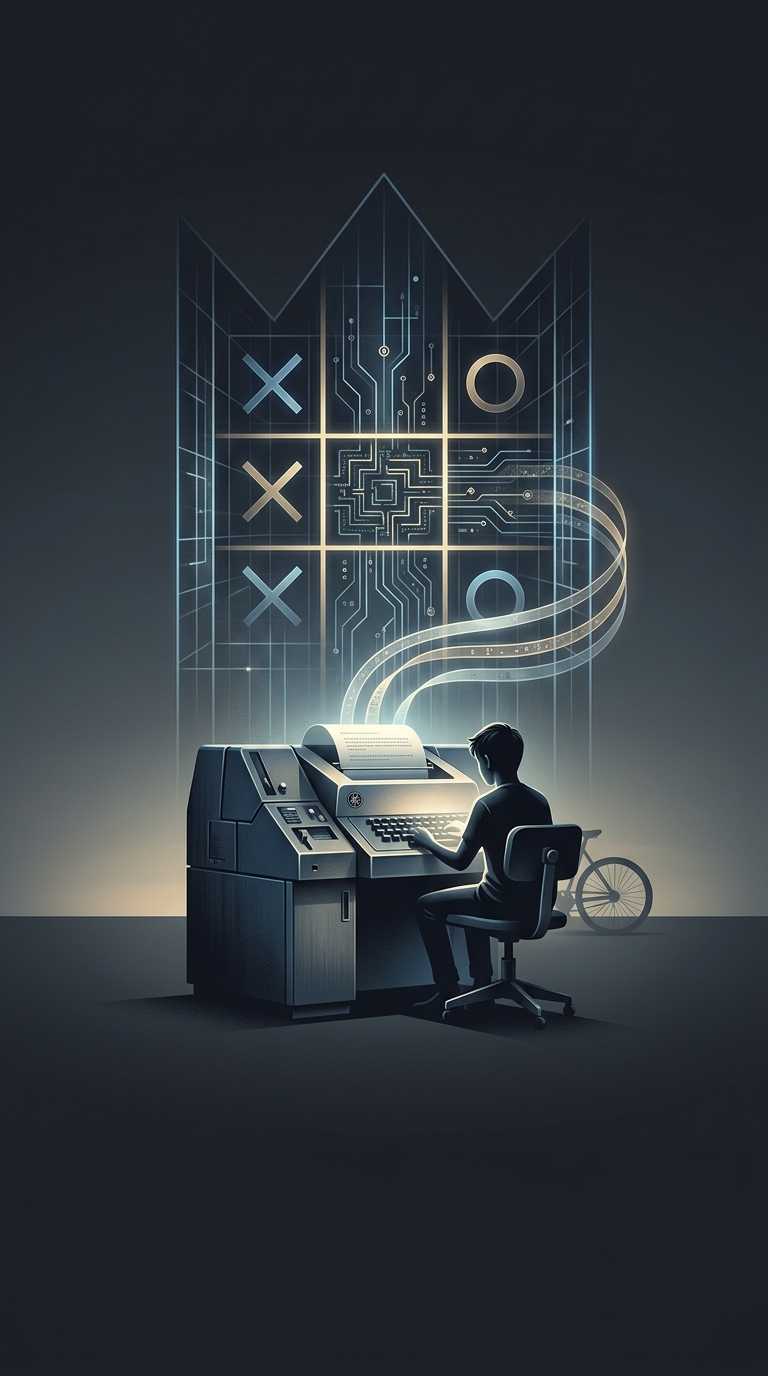
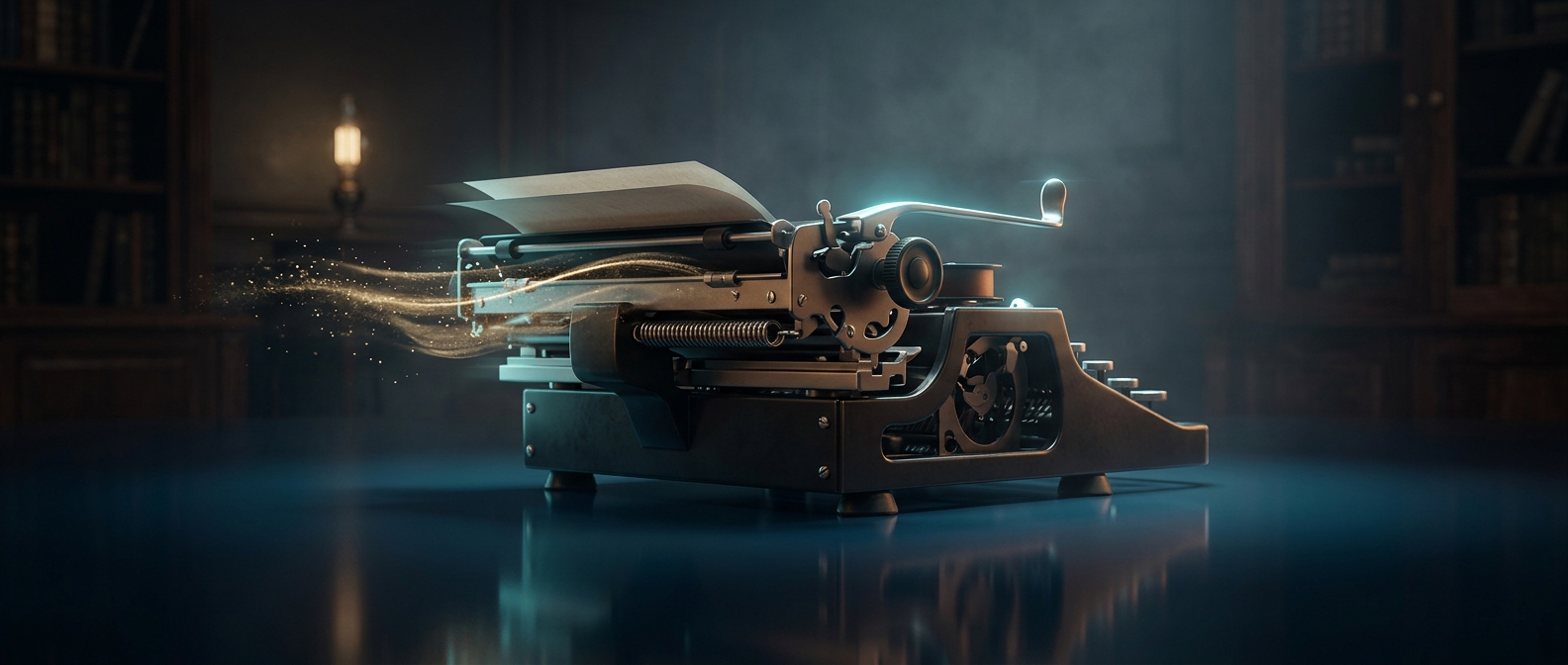
On a manual typewriter, finishing a line took two linked actions. The carriage—the part carrying the paper and moving print position—had to travel back to the left margin. The paper also had to advance by one line so the next line would not print over the last one. The return lever typically did both in a single motion.
Computer systems inherited names for those actions: carriage return moves to the start of a line, while line feed advances to the next line. Older text systems often represented them as separate control characters, even though a typist had performed the motions together. Some systems used both characters for a new line; others used just one, which is why text can occasionally display with odd line breaks when moved between formats.
One key, several modern jobs
The Enter key carries that old “finish this line and continue” idea into digital interfaces, but its precise effect depends on the program. In a document, it usually starts a new paragraph or line. In a command prompt, it can send the typed command for execution; in a search box or chat window, it may submit what was entered. Software assigns the action, while the key’s familiar role is to mark completion.
So Enter is not mechanically returning a carriage today. It preserves the typewriter’s compact interaction pattern: finish the current entry, then move on. A single press can still trigger two kinds of change—ending one line of input and beginning whatever comes next.