From landmarks to a mental map
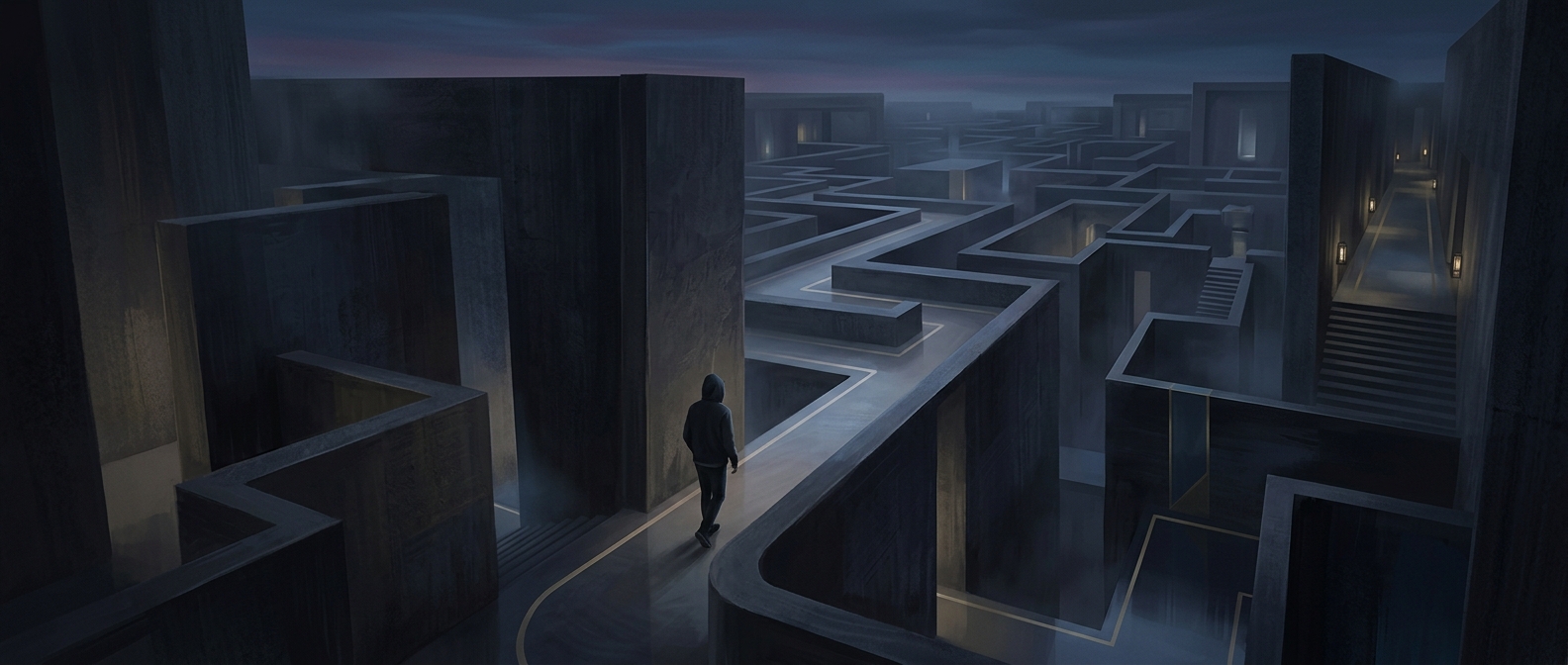
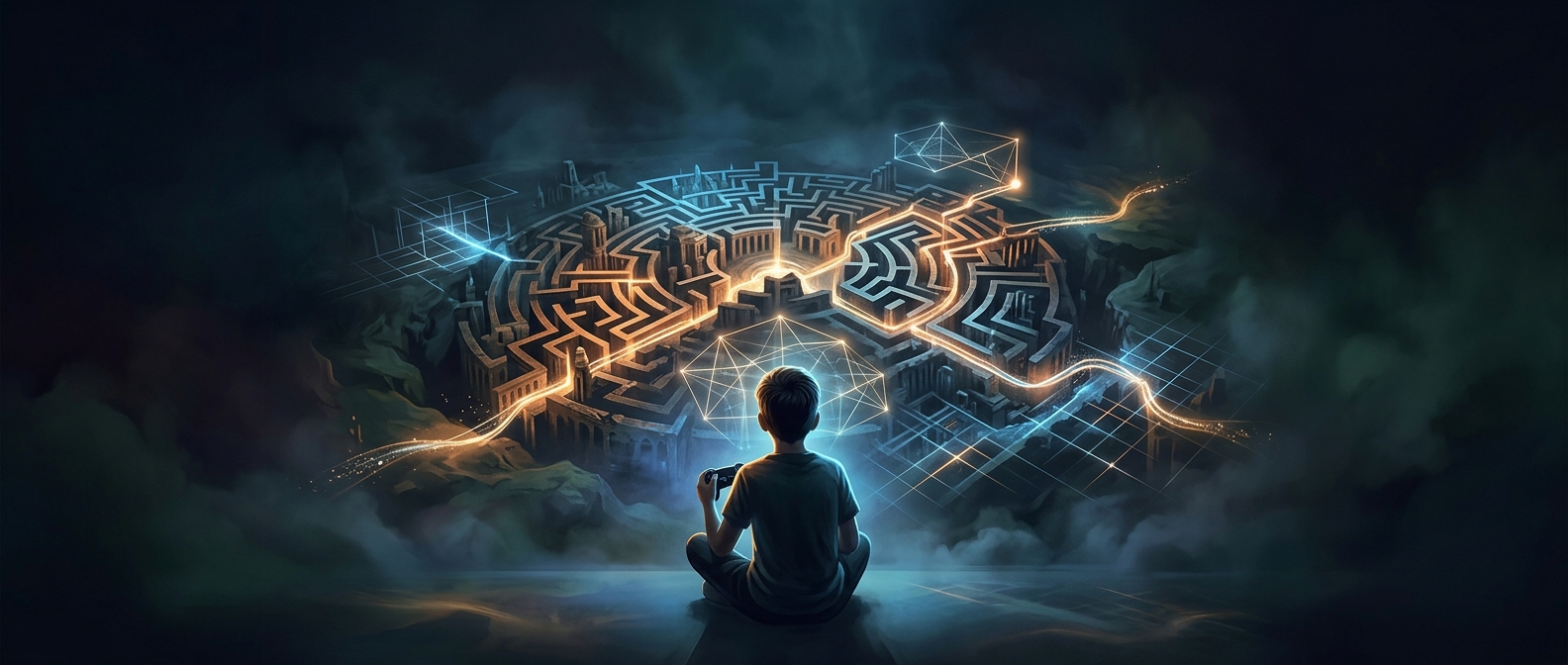
Finding a way through a game world often means doing more than following a line on a screen. A player notices landmarks, remembers which turns connect them, and updates that knowledge after taking a detour. Over time, separate places become part of a rough mental map: not just “turn left at the bridge,” but “the plaza is beyond the bridge, with the shortcut behind it.”
Psychologists distinguish this broader sense of layout from route knowledge, the sequence of turns needed to travel one familiar path. A mental map makes it easier to imagine how two places relate even when there is no marked route between them.
Why practice might carry over
Games can give players repeated, low-stakes practice in building and using these representations. When a route is blocked or a destination lies off the usual path, a player may need to work out where to go from remembered landmarks rather than simply retrace steps. That practice may make it easier to organize unfamiliar real-world places in memory, too.
But the transfer is not automatic. A game’s visual cues, camera, and controls can differ sharply from walking through a city, where signs, traffic, buildings, and other people compete for attention. Familiarity with one game map is not the same as being good at every kind of navigation.
The useful skill is flexible orientation
The potential advantage is not memorizing streets faster so much as connecting places into a layout that can support more than one route. In a new neighborhood, that could mean recognizing that a café lies on the far side of a square—or that a street seen earlier runs parallel to the one you are on—and using that relationship to choose where to go next. That is the difference between remembering a sequence of turns and beginning to understand the city’s shape.