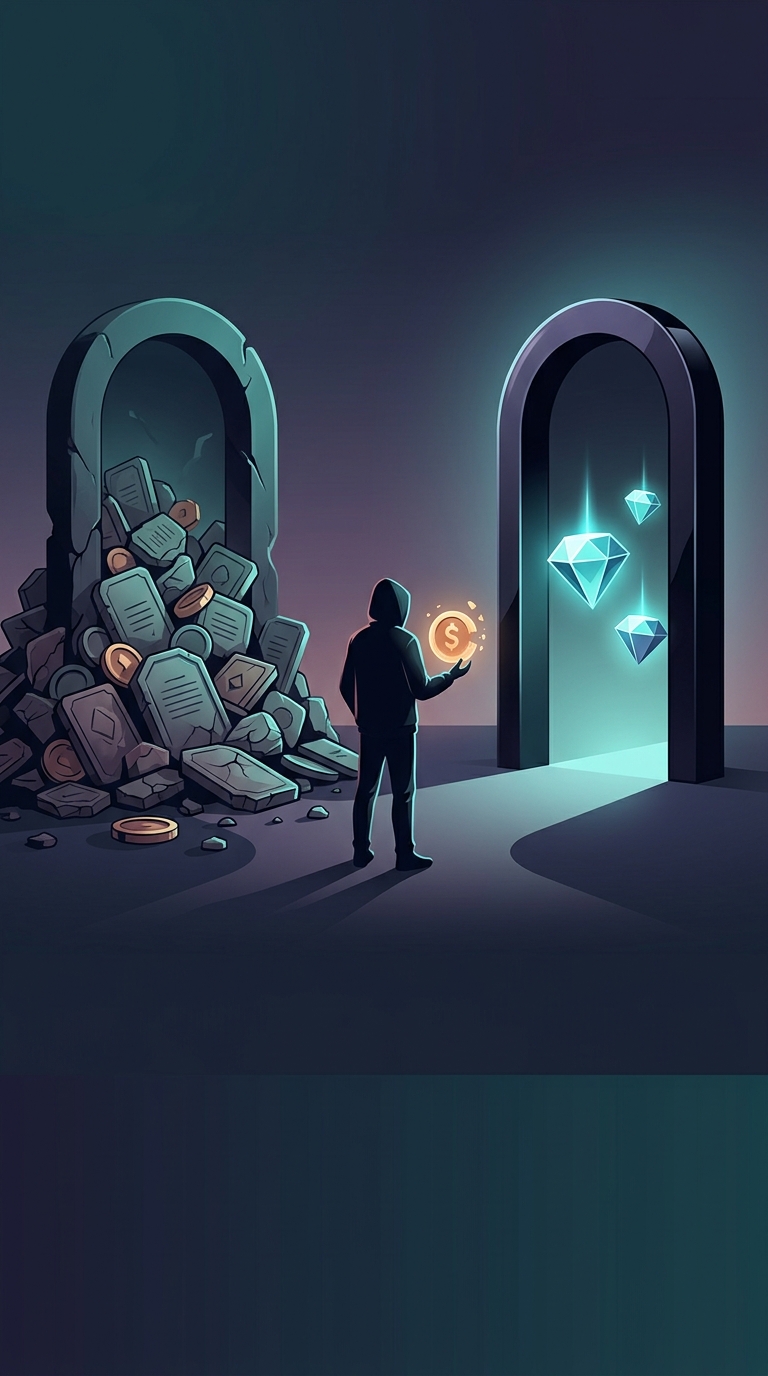
Two currencies create two different kinds of value
A mobile game may give players coins for finishing a level while selling gems in the app store. The currencies look like simple bookkeeping, but they divide the game’s economy into two tracks: one players can usually earn through play, and one they can acquire quickly with money.
That split lets designers control how fast ordinary progress happens without making every reward feel like a cash purchase. Coins can pay for routine upgrades; gems can unlock a shortcut, a limited-time item, or another chance after a failed attempt. The same action can therefore feel like a small in-game decision rather than a direct payment.
Why the separation can increase spending
A dollar has a familiar value. A bundle of 500 gems does not. Players have to translate the unfamiliar amount into real money, especially when a purchase uses gems and the game sells them in bundles of different sizes. That extra mental step can make the cost less vivid at the moment of purchase.
Premium currency also makes it possible to offer several ways to get something: wait and earn it, spend accumulated gems, or buy more gems to get it now. The choice is not simply whether to pay; it is whether the time saved or opportunity gained feels worth the price. That is a powerful tradeoff in games built around waiting, limited offers, or repeated attempts.
The design tradeoff
Two currencies can make rewards and prices more flexible, but they also make the economy harder to read. Players may struggle to judge what an item really costs, and a small remaining balance can make buying another bundle seem more attractive than starting from zero. In other words, the currency system shapes not just what players can buy, but how clearly they perceive the cost.
The practical consequence is that a game’s “free” reward loop and its paid shortcuts can be designed together: play supplies one kind of value, while money accelerates access to another.