Why a Repeated Task Can Follow You Into the Dark
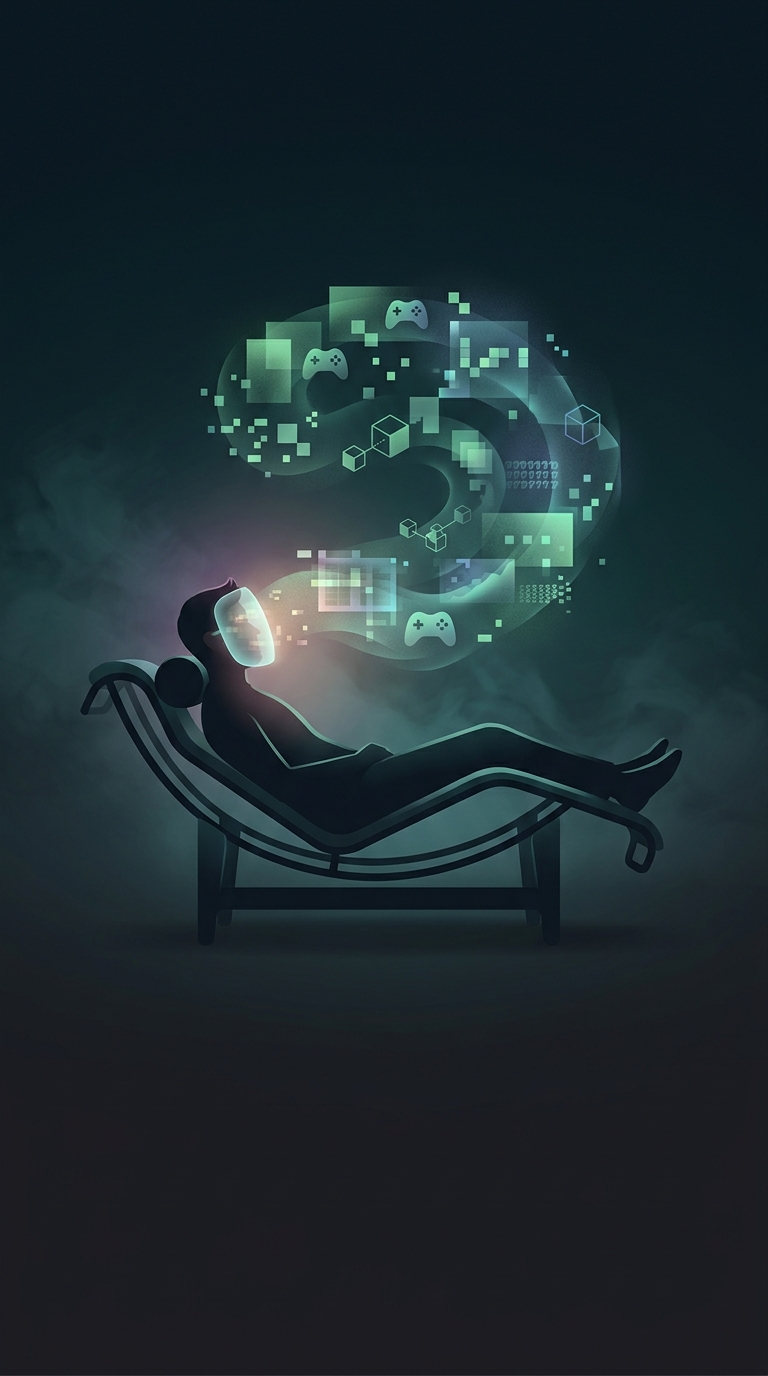
After hours of sorting, stitching, gaming, or assembling, closing your eyes may bring back pieces of the activity: a shape sliding into place, a motion repeating, or objects seeming to line up. This is often called the Tetris effect, after reports of people mentally seeing falling blocks after long sessions of the game. It can happen after many repetitive tasks, not just gaming.
Your Brain Keeps Practicing the Pattern
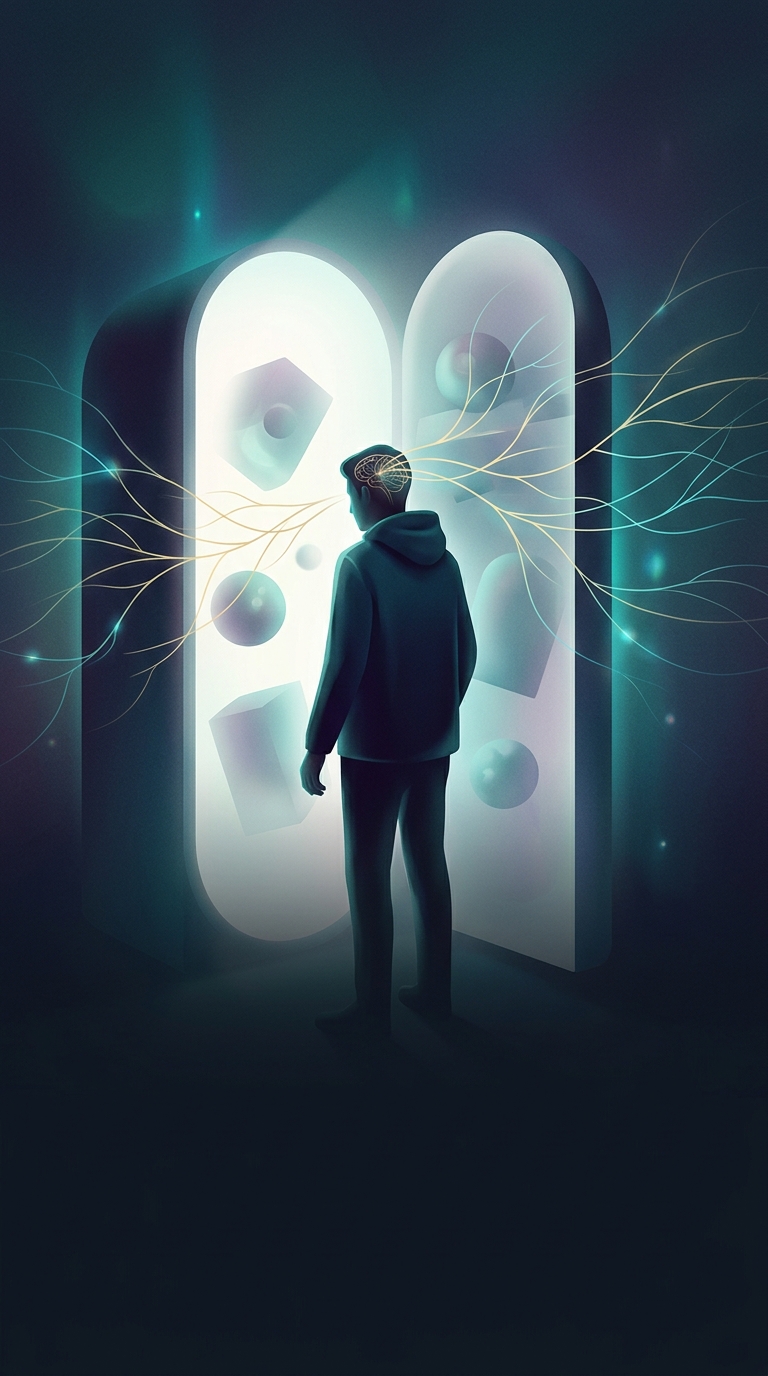
A task repeated over and over becomes easier for the brain to predict. You learn which shapes or movements tend to come next, and attention gets tuned to the features that matter. When the task stops, those well-practiced patterns can still guide brief mental images or fragments of movement. With your eyes closed and fewer sights competing for attention, those fragments may be easier to notice.
This is usually different from a simple afterimage—the lingering impression left when you stare at a bright or sharply contrasting object. Task-related imagery draws on memory and learned expectations; it may resemble the work you were doing without being a clear, deliberate picture. It can also arise as you are drifting toward sleep, when thoughts and images often become less controlled.
A Familiar Sign of a Mind Still Settling
The effect is generally temporary: as attention shifts and the task recedes, the images tend to fade. Its striking quality comes from the contrast between a quiet, dark room and a brain still running a pattern it has practiced for hours. In a sense, the workday’s last repetition happens behind closed eyes.