The fridge offers a tiny chance of reward
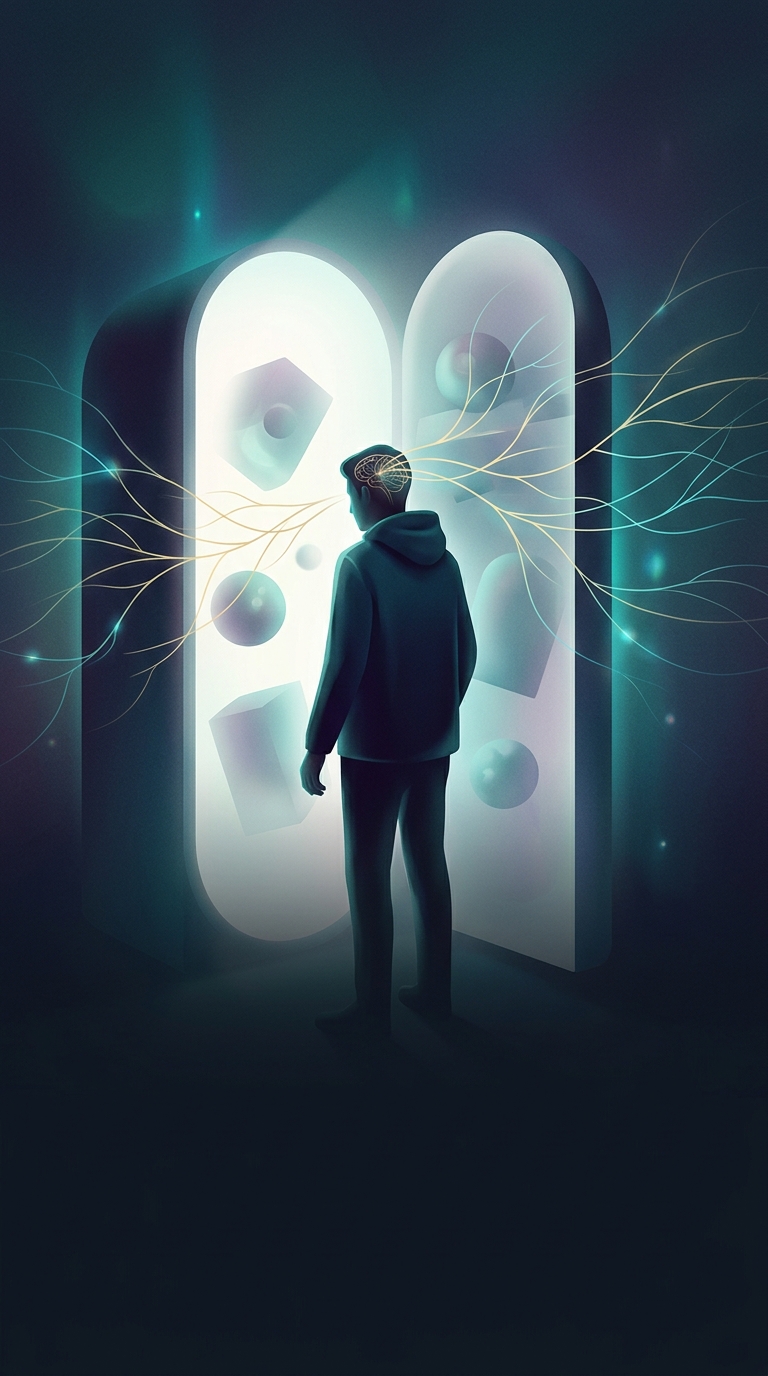
The pull is usually less about hunger than anticipation. Opening the fridge might reveal something appealing, and that small possibility can make checking feel worthwhile—even when you have no reason to expect new food to appear. The brain is drawn not only to rewards but also to the prospect of finding one.
That prospect is stronger when the payoff is unpredictable. A snack or drink sometimes turns up at just the right moment; most checks, however, offer nothing new. This pattern resembles intermittent reinforcement: a behavior that is occasionally rewarded can persist because the next attempt might be the lucky one. It is the same basic logic that makes checking for a new notification tempting, though the stakes here are usually much smaller.
A familiar cue can start the loop
The kitchen, a pause in work, or a moment of boredom can become a cue to check. Once the habit is learned, the sequence may happen with little deliberate thought: feel restless, walk to the fridge, look inside. The movement itself also breaks up a dull moment, while the cold light, colors, and smells provide a brief burst of sensory novelty.
If the check produces no reward, that does not necessarily erase the habit. The next check still holds the same possibility, and the routine may be easier than deciding what else to do with a restless moment. Hunger can prompt the behavior too, but repeated checking without hunger is often better understood as a learned search for a small, uncertain payoff.
The fridge has not changed; what changes is the feeling that this time it might offer something worth finding.