Why chewing can feel like more than noise
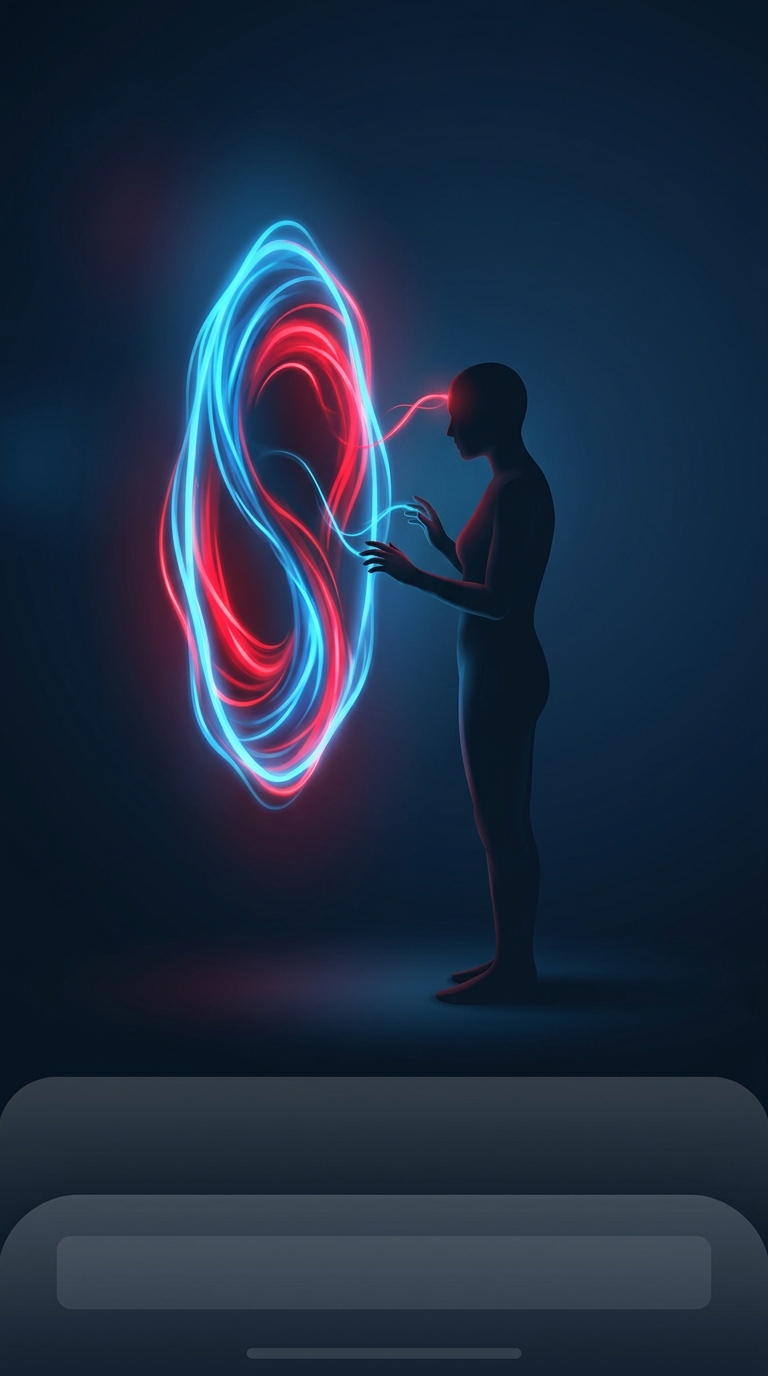
A loud chewing sound may trigger an unusually sharp reaction because the brain is treating it not as ordinary background noise but as a highly salient signal. For some people, specific sounds—often chewing, sniffing, or repetitive tapping—are linked to a fast surge of anger, disgust, anxiety, or physical tension. This pattern is commonly called misophonia, meaning a strong aversion to particular sounds.
The response can arrive before a person has time to reason through it. Attention locks onto the sound; the body may tense, the heart may beat faster, and the urge to escape or stop the noise can feel immediate. The intensity is not necessarily about how loud the sound is. A quiet, repetitive mouth noise may be more upsetting than a much louder sound that does not carry the same personal trigger.
What the reaction does—and does not—say
A sudden burst of anger does not, by itself, reveal that someone is cruel, impatient, or generally intolerant. The reaction is better understood as a strong sound-linked response, not a considered judgment about the person making the noise. That does not make the distress imaginary: knowing that a sound is harmless may not switch off the body's alarm-like reaction.
Triggers and intensity vary, and a single unpleasant moment is not enough to identify misophonia. But if particular sounds repeatedly cause distress or interfere with meals, work, or relationships, it can help to explain the reaction calmly and make practical changes—such as adding quiet background sound or taking a brief break. The useful distinction is that the feeling can be real and intense without being a verdict on anyone’s character.