When color becomes part of the room’s “noise”
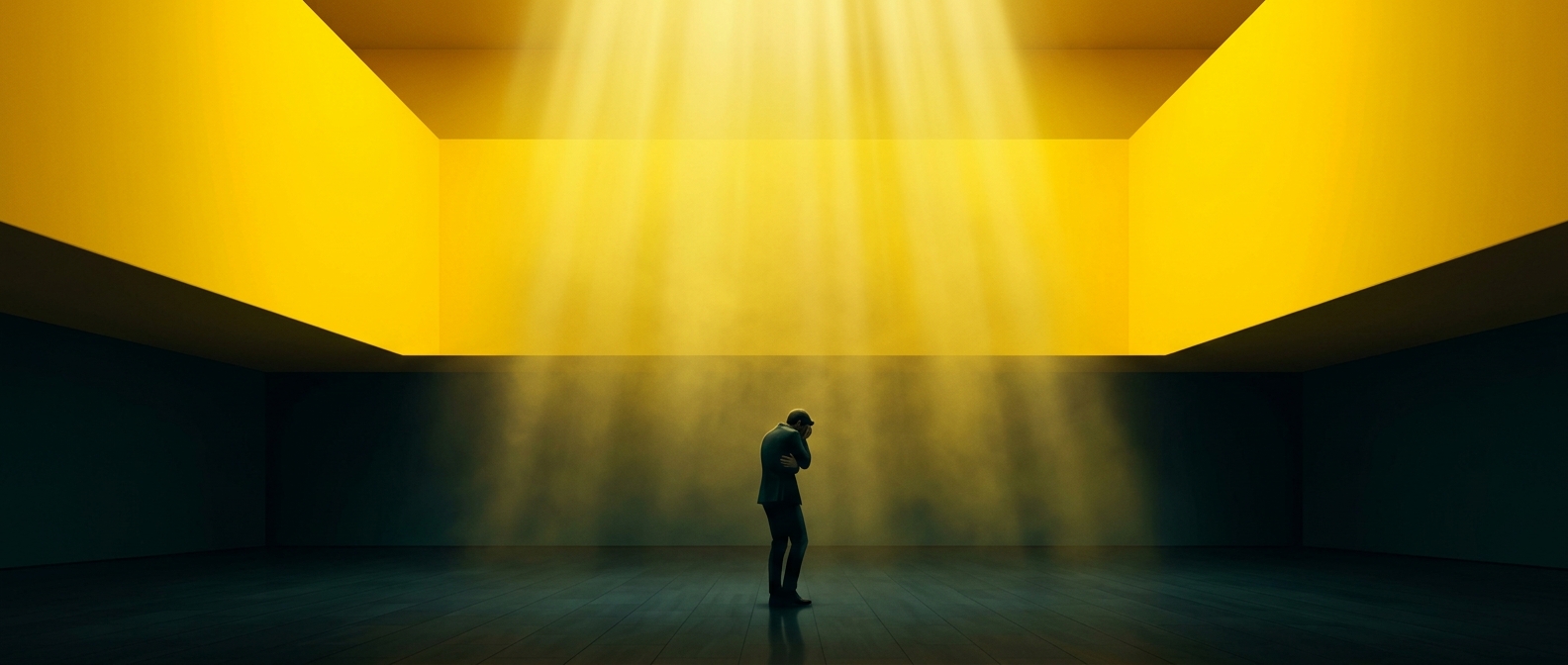
A small yellow object is easy to glance at and move on from. A wall-sized field is different: it occupies much of the visual scene, so the eyes keep encountering it even when attention is on something else. If the yellow is highly saturated—a vivid, intense version rather than a muted one—it can stand out strongly against nearby colors and make the room feel more visually active.
That does not mean yellow directly causes anxiety in everyone. Rather, a busy or intense-looking environment can add stimulation when someone is already tired, stressed, or trying to concentrate. For some people, the persistent visual presence of a bright color may contribute to a sense of tension; others may find the same room cheerful or energizing.
Why the paint chip can be misleading
A small sample gives the color little space to dominate. On four walls, it fills the field of view, and the room’s lighting changes how it appears: daylight, warm bulbs, and cool bulbs can make the same paint look different. Furniture, flooring, and neighboring colors also affect whether the yellow feels balanced or glaring.
The practical choice is not simply “yellow or no yellow.” A softer, less saturated shade, or using vivid yellow on one smaller surface, reduces how much of the room keeps demanding attention. The color’s impact depends partly on how much of it surrounds you—not just on its name.