Your attention has learned what to look for
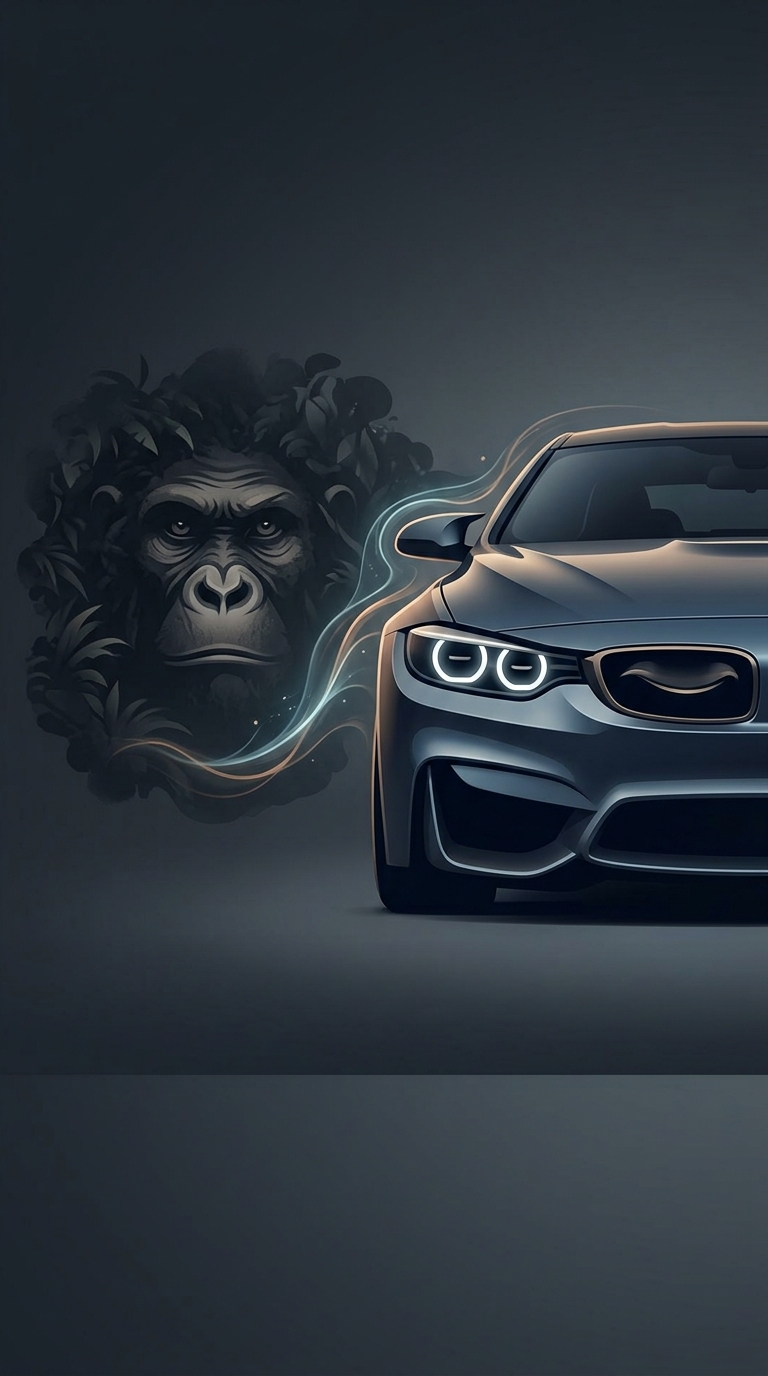
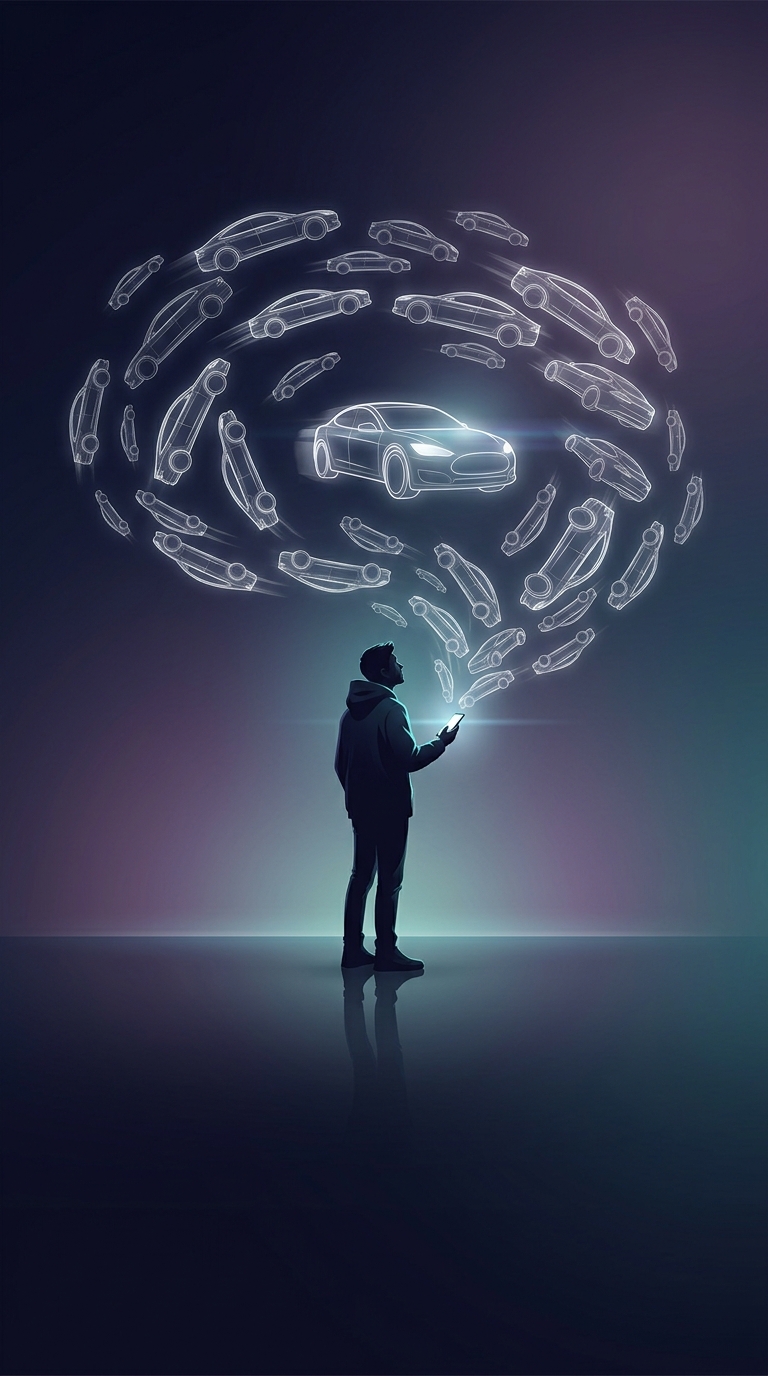
Buying a particular car gives its details new importance. Before, its shape or badge was just one among thousands of passing details. Now your brain has a reason to notice it. The color, headlights, and model name become a kind of mental search pattern, so matching cars stand out quickly in traffic.
This is selective attention: the mind filters a crowded scene, emphasizing some information while letting much else fade into the background. You are not necessarily seeing more of that car; you are more likely to register it and remember the encounter.
Why the sightings feel like proof
The change also affects memory. A matching car is now surprising and personally relevant, so it is easier to recall than the many cars that do not match. Those ordinary cars rarely leave a memorable trace. That imbalance can make a handful of sightings feel like a sudden wave.
Psychologists often call this the frequency illusion: once something has caught your attention, it seems to appear everywhere. The same effect can follow a new name, a song, or a distinctive pair of shoes.
A useful reality check
Your new awareness does not rule out real changes in traffic—popular models can be common, and the cars around you can vary by route or time. But the feeling of “everywhere” can arise without any increase at all. The revealing test is to count sightings systematically rather than rely on which ones stick in memory. Once the car becomes familiar again, it may recede into the background, even though it is still passing you on the road.