Why a habit can feel automatic
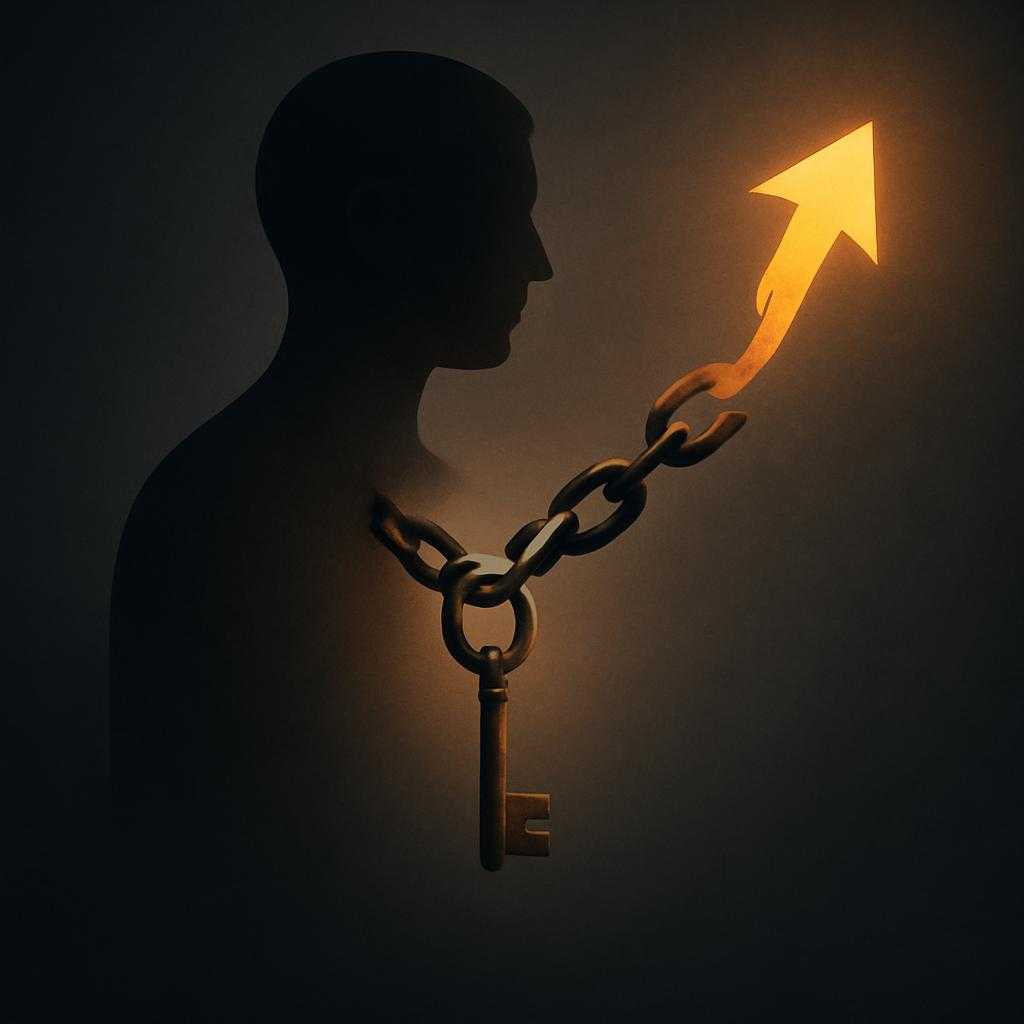
A habit is a learned response to a recurring cue. The cue might be a time of day, a place, a feeling, or an event—such as sitting down to work and reaching for your phone. Once the sequence is familiar, the cue can prompt the action with little deliberate thought. That saves mental effort, but it also means a well-practiced behavior can happen before you have consciously decided whether you want it.
Willpower is a poor tool for repeatedly interrupting that sequence. You have to notice the cue, pause, and choose differently every time, often while tired, distracted, or stressed. Changing the setup reduces how often you need to make that decision.
Put friction in the old route
Start by identifying what tends to happen just before the habit. Then make that cue less available or the old action less convenient. If scrolling takes over during work, for instance, keep the phone in another room or sign out of the distracting app. The point is not that one barrier makes a habit impossible; it gives you a little time between the urge and the familiar response.
That pause matters because habits are tied to contexts. Changing the location, timing, or sequence can weaken the automatic link long enough for a different action to become possible. A plan that depends on remembering to resist is fragile; a room arranged to make the unwanted action harder is a reminder built into the environment.
Give the cue somewhere else to go
Removing the old route works better when you decide in advance what to do instead. Pair the same cue with a small, specific alternative: when you sit down to work, put the phone away and open the task you intend to start. A ready-made response avoids having to invent a plan in the moment, when the old behavior is already primed.
The replacement need not feel rewarding immediately. It needs to be easy enough to repeat. With repetition, the cue can begin to call up the new action rather than the old one. The practical shift is from asking, “Can I resist this again?” to making the next desired action the easiest one to begin.