How a lottery could help pay for war
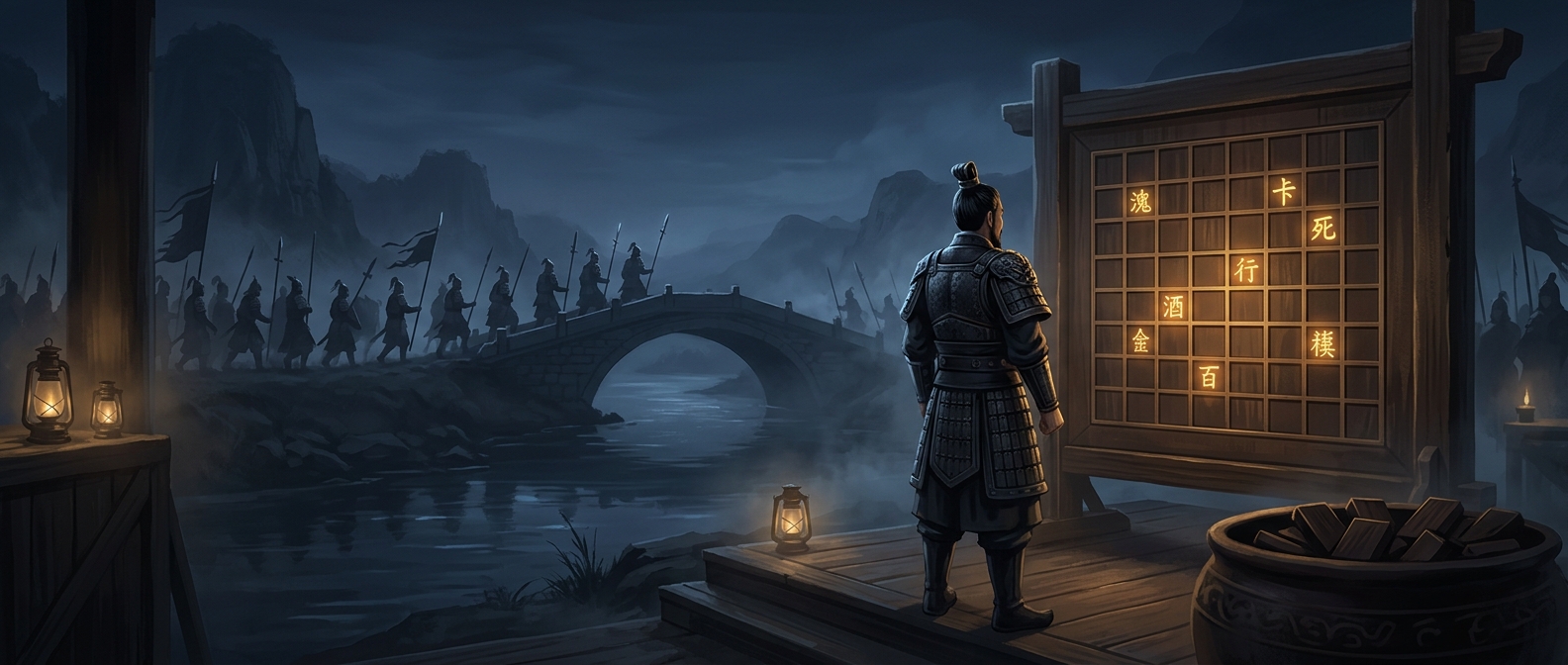
A government facing the cost of a military campaign had a choice: collect money through taxes or invite people to risk a small stake for the chance of a much larger prize. Keno’s traditional origin story places the game in China, where rulers used a lottery to raise campaign funds. Unlike a tax, a lottery payment was voluntary—and the possibility of winning gave people a reason to take part.
The appeal of chance
In keno, players choose numbers and later compare them with numbers drawn at random. The game turns fundraising into a contest: many players contribute, while only some receive prizes. If the total collected exceeds the prize money and operating costs, the remainder can go toward the purpose behind the lottery. That structure let rulers draw on broad participation without demanding the same payment from everyone.
The appeal also helps explain why lottery funding could compete with ordinary taxes. A tax asks people to give money with no personal reward; a lottery offers a slim but vivid possibility of getting more back. The chance of a prize could make participation feel more attractive than a straightforward levy, even though most players would not win.
From public fundraising to gambling
The military-funding story is an origin account, not a detailed record of one unchanging game. Keno as played in later settings need not have had exactly the same rules or purpose. What endured was the basic mechanism: a number draw converts many small wagers into prizes and a pool of money left over. The striking twist is that a game built around luck could serve as a tool of state finance—turning the hope of a personal win into funds for a collective, and costly, campaign.