Why a ceremonial blade can be blunt
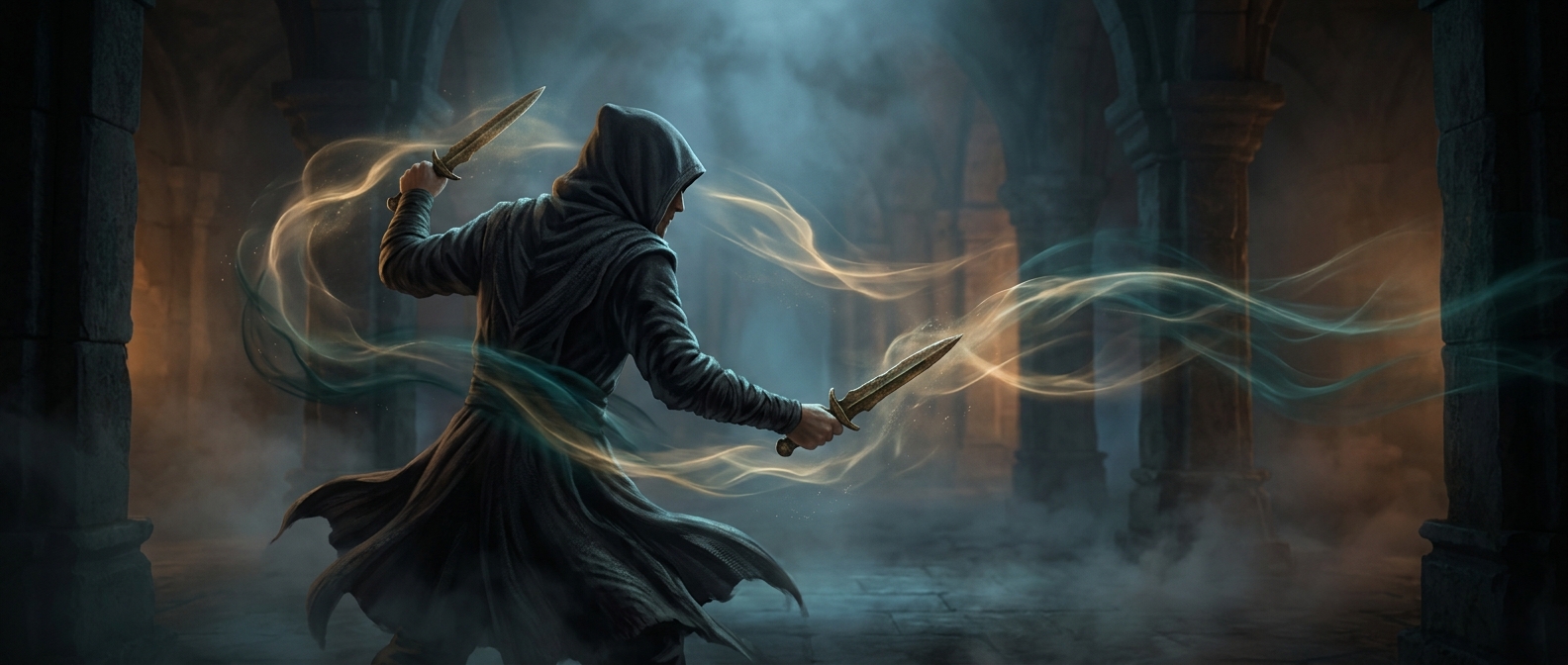
In some ritual traditions, a blade is used as a symbol of authority and direction, not as a tool for cutting. Practitioners may sweep or point it through the air to mark where attention should go or to define an imagined boundary around a room. A deliberately blunt edge makes that purpose tangible: the object resembles a weapon, but its role in the rite is gestural.
What “directing energy” means in the ritual
Here, energy is spiritual language for an intended influence, focus, or atmosphere—not a measurable force established by physics. The practitioner’s movements give that intention a visible path. A sweep can represent moving influence through a space; a pointed gesture can mark a threshold or a chosen direction. The precise meaning depends on the tradition and the ritual being performed.
The gesture is the instrument
Because the blade is not meant to cut, its significance lies in how it is handled and understood. Blunting it can also reduce the chance of injury during repeated movements near other people or furnishings. The result is a striking reversal: an object associated with danger becomes a pointer, and the motion—not the edge—does the symbolic work.