Why Brick Dust Marked a Threshold
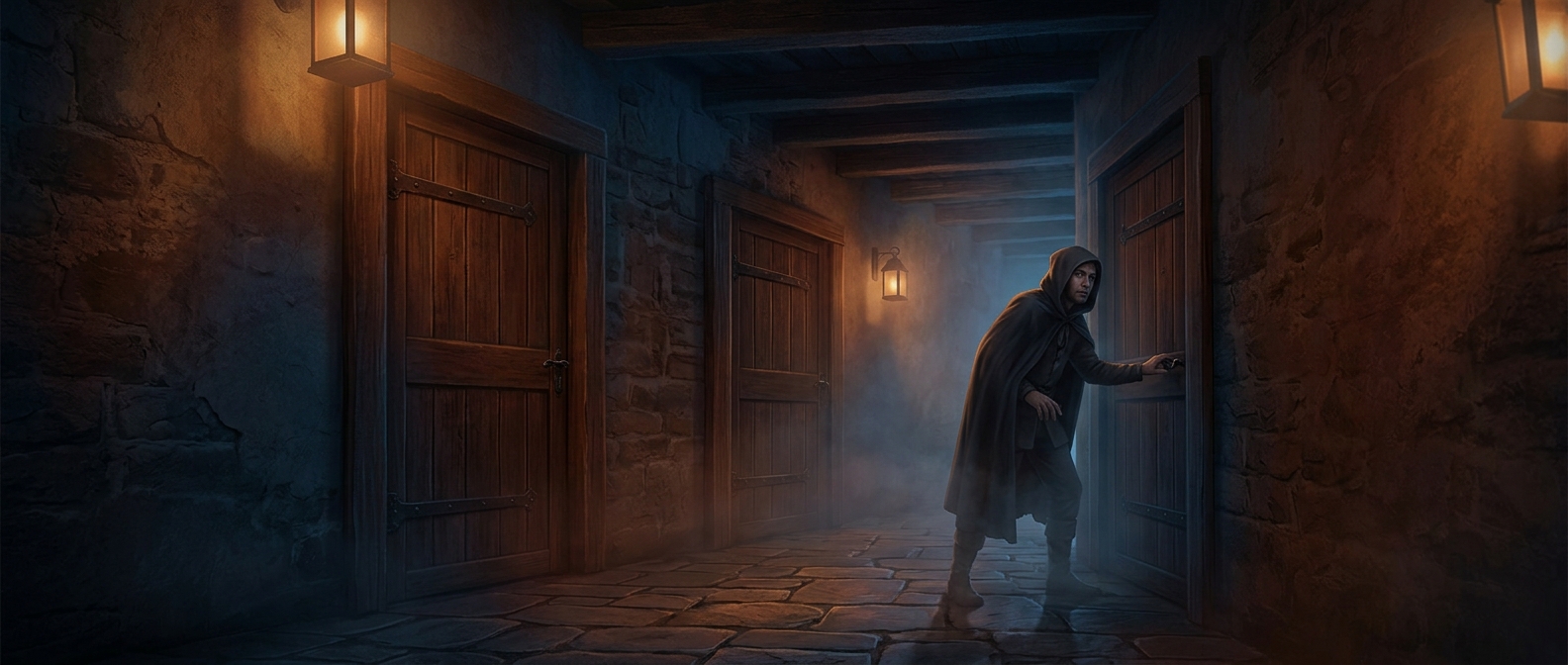
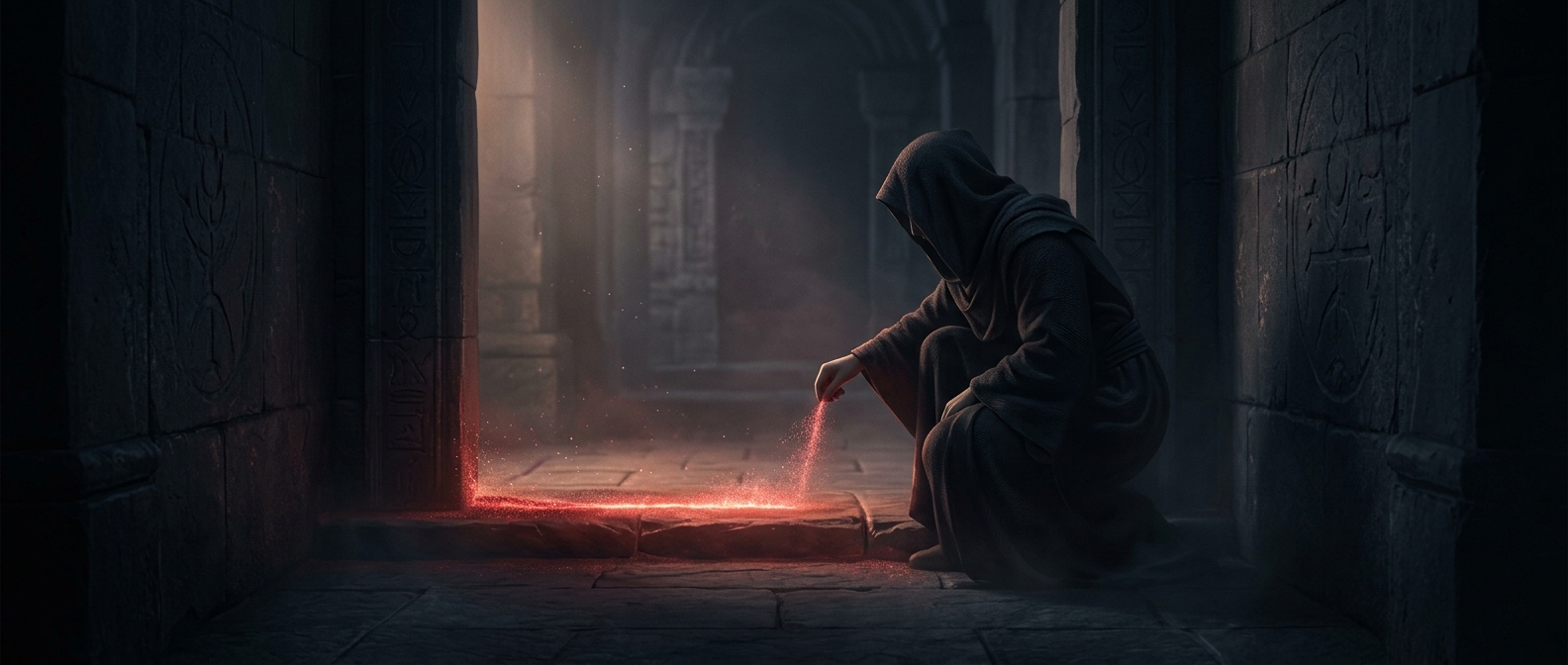
A doorway is more than an opening: in many traditions, it marks the boundary between the protected space of a home and the uncertain world outside. Red brick dust could make that boundary visible. Sprinkled in a line across a threshold, it was believed to stop harmful forces from crossing into the household.
A Symbol Made from the House Itself
Brick dust carried an ordinary, tangible quality. It came from a familiar building material, and its color made the line easy to see against a floor or doorstep. In folk practice, that visible mark could turn an abstract hope for protection into a concrete act: someone placed a boundary where entry occurred.
The dust did not function as a physical barrier in the way a locked door does. Its protective force belonged to the tradition’s spiritual understanding of the home, in which objects and deliberate actions could help guard a vulnerable boundary.
Protection at the Point of Entry
The placement was central to the practice. A line across a doorway focused protection on the route by which danger—whether understood as misfortune, hostile influence, or harmful spirits—might enter. It also made the boundary part of daily life: anyone crossing the threshold encountered the mark.
The image endures because it is so simple: a handful of red dust, a line at the door, and the household’s hope that what was kept outside would stay there.