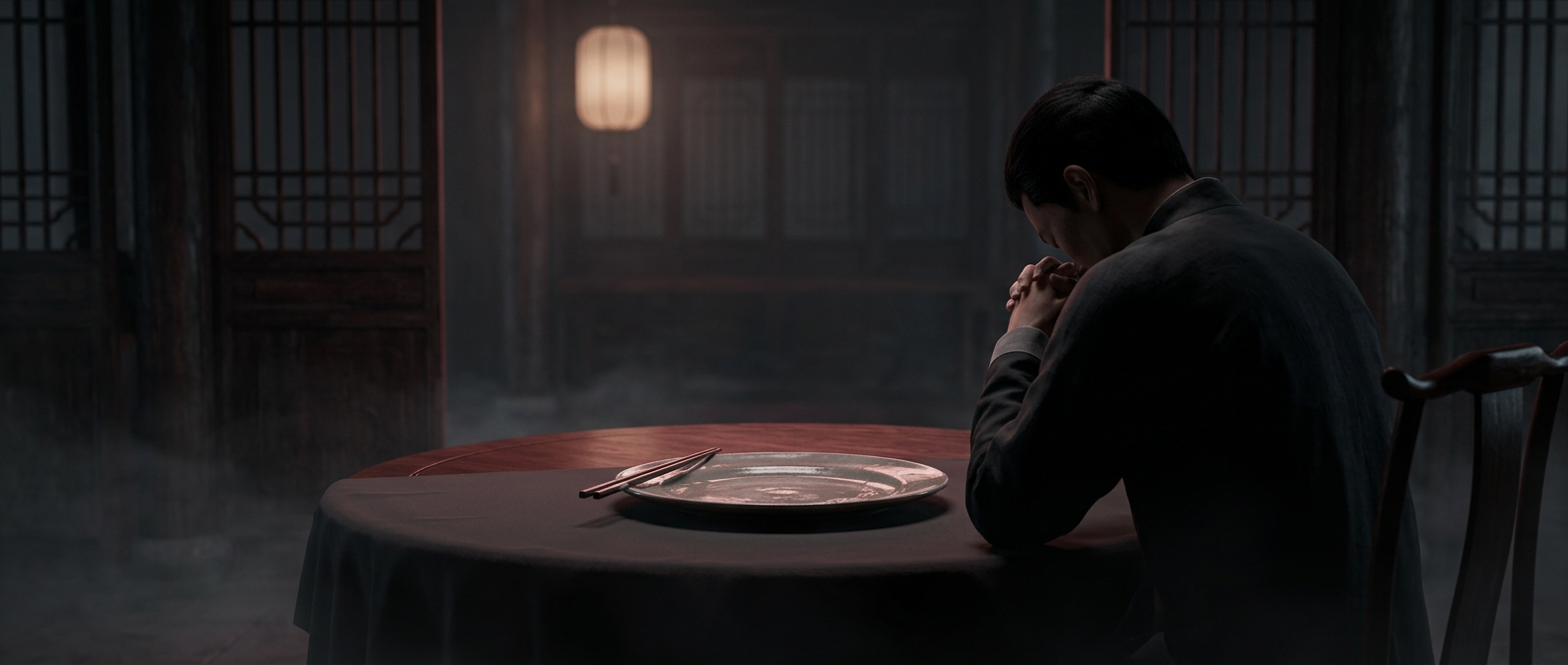
What an unfinished dish can communicate at a Chinese meal
At a meal hosted for guests, food can signal more than hospitality: it can show that the host has taken care of everyone. When dishes are ordered or prepared generously, a completely cleared plate may be read as evidence that the serving was just enough—or not quite enough. Leaving a little can instead suggest that the meal was abundant.
The message depends on the setting
This is not a rule for every Chinese household or restaurant. Customs vary by region, generation, and occasion, and many people avoid wasting food. The meaning is most relevant in some hosted meals, especially when a host has made a point of ordering plenty or repeatedly offering more. In that situation, a small remainder can convey satisfaction without implying that the food was disliked.
The meal’s format matters, too. With shared dishes, guests may take portions onto their own plates while the host keeps offering food. An empty plate can invite another serving, so it may prompt the host to continue feeding a guest who is already full. A modest remainder can make that fullness visible while also acknowledging the host’s generosity.
Read the table, not just the plate
A visitor need not deliberately leave food at every meal. In a casual setting, finishing a portion may simply mean it was enjoyed; in a formal hosted meal, the host’s offers and the other guests’ behavior provide better clues. If a host offers more, a warm refusal can make clear that the meal was satisfying. The point is not to waste food, but to understand how, in some settings, abundance is expressed through what remains as well as what is served.