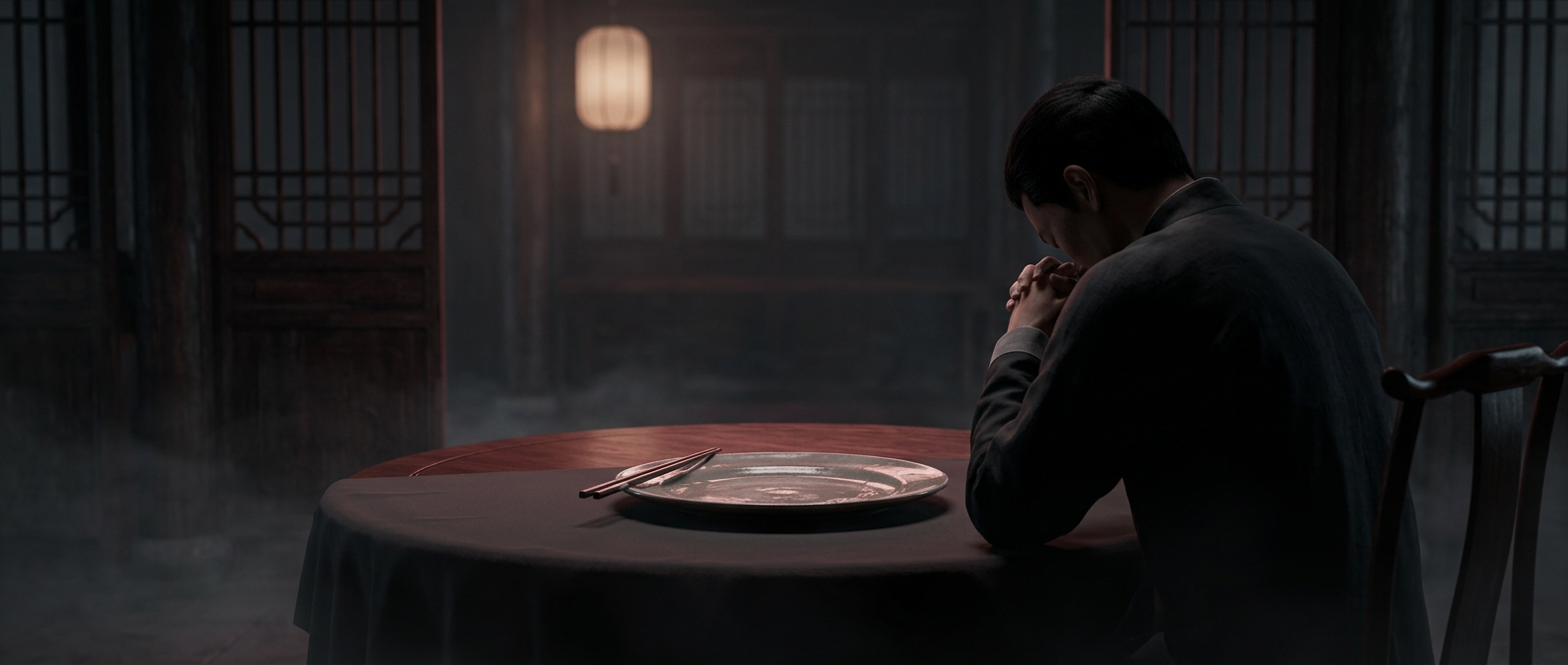
The pause is part of the exchange
A gift can create a small social imbalance: one person has offered something, and the other must show appreciation without seeming eager to take advantage. In some Chinese settings, a brief refusal helps manage that moment. It signals restraint and consideration; the giver’s renewed offer, in turn, shows that the gift is sincere and freely given.
The exchange is less a test with a required number of refusals than a way to make generosity and modesty visible. The words may sound like a firm “no” when translated literally, even though the surrounding gestures and the giver’s response suggest that the offer is meant to be accepted.
Follow the other person’s cues
For a visitor, the safest response is to notice what happens next. If the host warmly repeats the offer or places the gift in your hands, accept it with thanks rather than prolonging the refusal. A short acknowledgment and a considerate manner matter more than performing a precise script.
Customs vary among families, regions, generations, and situations, so repeated refusal is not a rule for every gift. If the host seems genuinely hesitant, or the gift would be inappropriate to accept, take that seriously. The point is to express respect—not to turn the exchange into a contest over who can refuse longer.