The QuickTake Made the Mac Part of the Camera
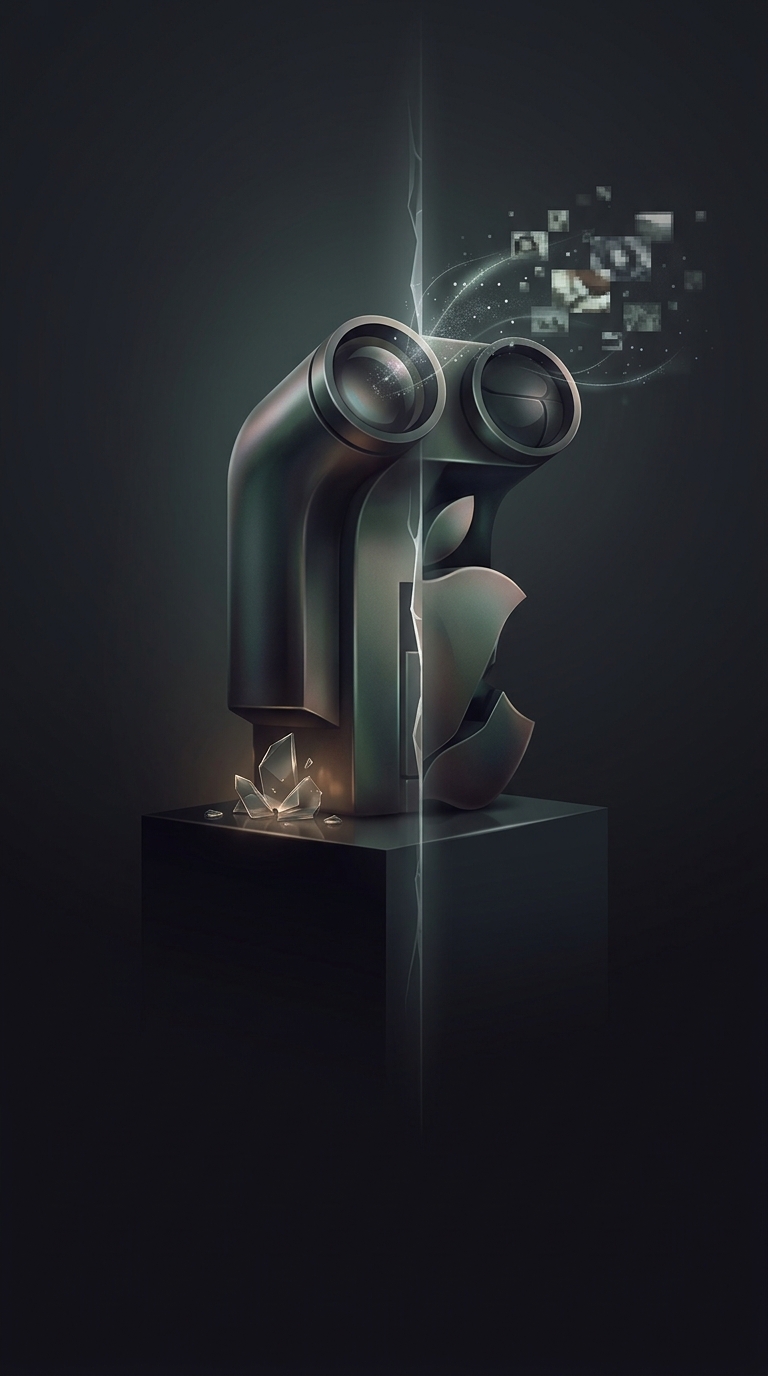
The QuickTake 100’s unusual shape reflected a practical priority: helping people aim and capture an image, not giving them a miniature screen to inspect it. It used an optical viewfinder, so photographers framed scenes by looking through the camera rather than at a live electronic display. The photo itself could be seen only later, after the camera was connected to a computer.
That workflow was a sharp break from film. With a film camera, the image remained invisible until the roll was developed; with the QuickTake, the picture already existed as digital data, but the computer was the device that made it viewable. Users transferred photos to a Mac over a cable and used software to see and work with them. The camera and computer were therefore parts of one system, not independent tools.
Storage Set the Limits
Digital images had to fit in the camera’s built-in memory, which was costly and limited by the technology of the time. At 640 by 480 pixels, each image used enough space that the camera could store only a small batch—up to eight at that resolution. There was no memory card to swap out and no screen for checking a shot on the spot. A photographer had to choose carefully, then wait until transferring the pictures to learn how they came out.
The QuickTake was made with Kodak and put Apple into a new kind of consumer photography: one in which the computer handled the viewing and organizing that film processing once had. Its most consequential feature was not its binocular-like body, but the new routine it introduced—take a picture now, plug in later, and let the desktop reveal what the camera had captured.