Why NightShot Could See What the Eye Couldn’t
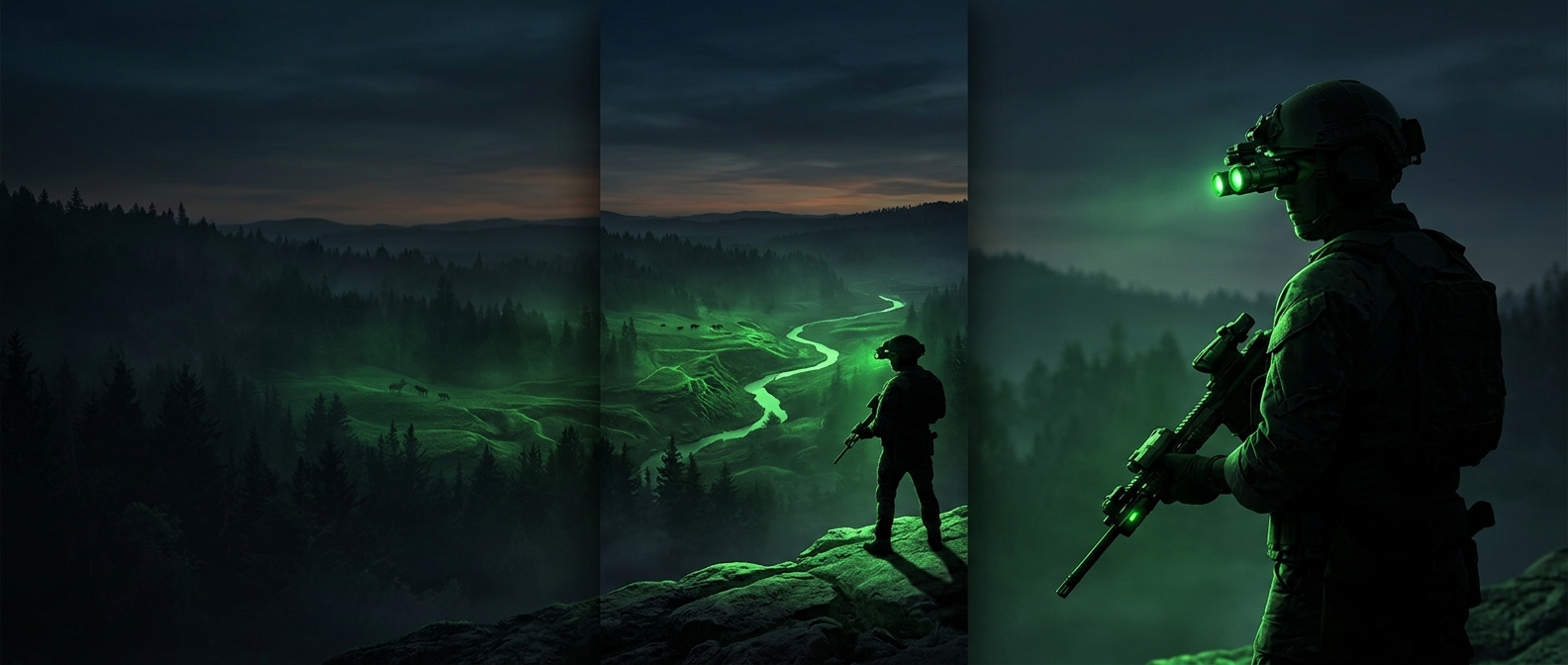
Sony’s NightShot mode was built to make dark scenes visible, not to see through clothing. It let the camcorder record near-infrared light—radiation just beyond the red end of visible light—and used an infrared illuminator to add light when a scene was too dark for ordinary filming. The camera’s image sensor could register that reflected radiation even though a person looking at the scene could not see it.
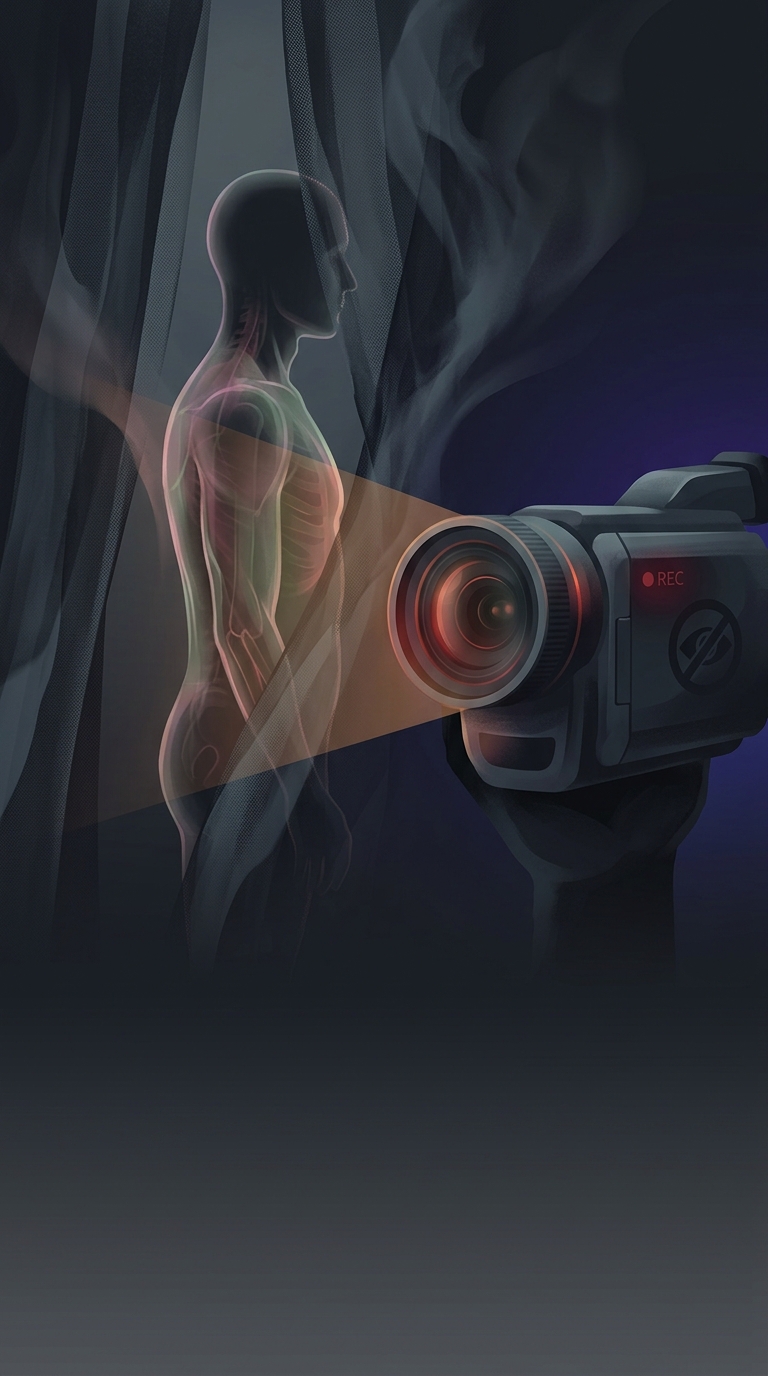
The surprise was that a material’s behavior in infrared does not always match its behavior in visible light. Some thin fabrics, especially under particular combinations of weave, color, and lighting, blocked visible light while allowing enough near-infrared through for the camera to pick up shapes beneath. The result was not reliable X-ray vision: it depended on the fabric, the illumination, and the camera’s settings. But it was enough to turn a low-light feature into a privacy risk.
A Feature Becomes a Design Constraint
The risk was especially troubling in daylight. Sunlight contains infrared as well as visible light, and the camcorder’s sensor could respond to that infrared even when a scene looked perfectly ordinary to its user. A mode intended for dark environments could therefore produce an unexpected effect in brighter conditions.
Later models restricted when NightShot could be used during the day. That response reflects a practical design lesson: a feature’s consequences depend not only on what a device is meant to do, but also on how its sensors interact with the world. The same sensitivity that helped a camcorder record in darkness could reveal information its operators—and the people in front of the lens—did not expect it to capture.