The recording light is a signal, not part of the picture
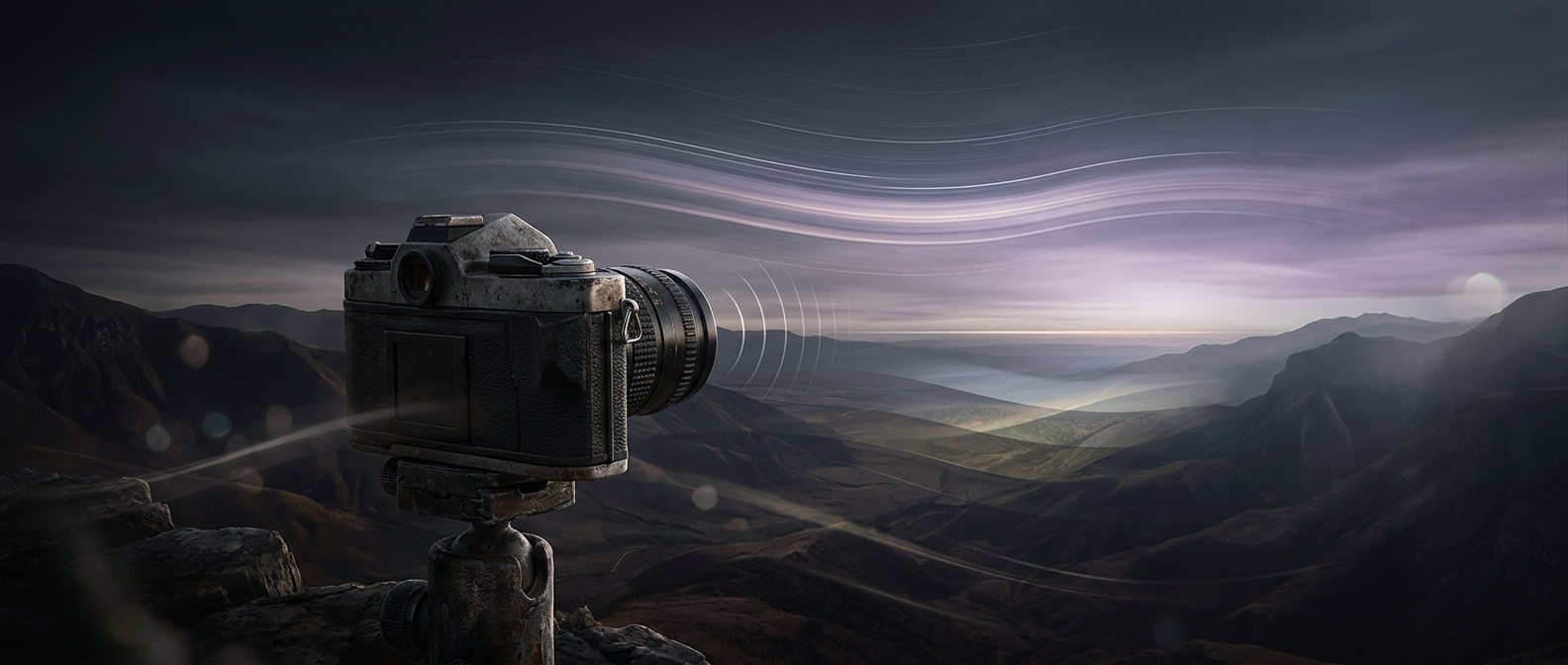
A camera can capture video in darkness, so long as its lens and sensor receive enough light. The small red light on some cameras does a different job: it tells people nearby that the device is recording. It is an indicator for people, not a component of the image-making process.
Inside the camera, the sensor turns incoming light into electronic data, which the camera then stores or sends elsewhere. The tally light is controlled separately, often switching on when recording starts and going dark when it stops. Its blinking pattern makes the status easier to notice, especially when someone is looking at the camera rather than its screen.
A tiny light helps coordinate a shoot
On a set, a visible recording signal can help performers and crew tell when a take is underway. That reduces uncertainty: people can avoid speaking over a take, entering the frame, or assuming the camera is still idle. The same cue can be useful in interviews, livestreams, and other situations where the person being filmed may not be watching the camera’s display.
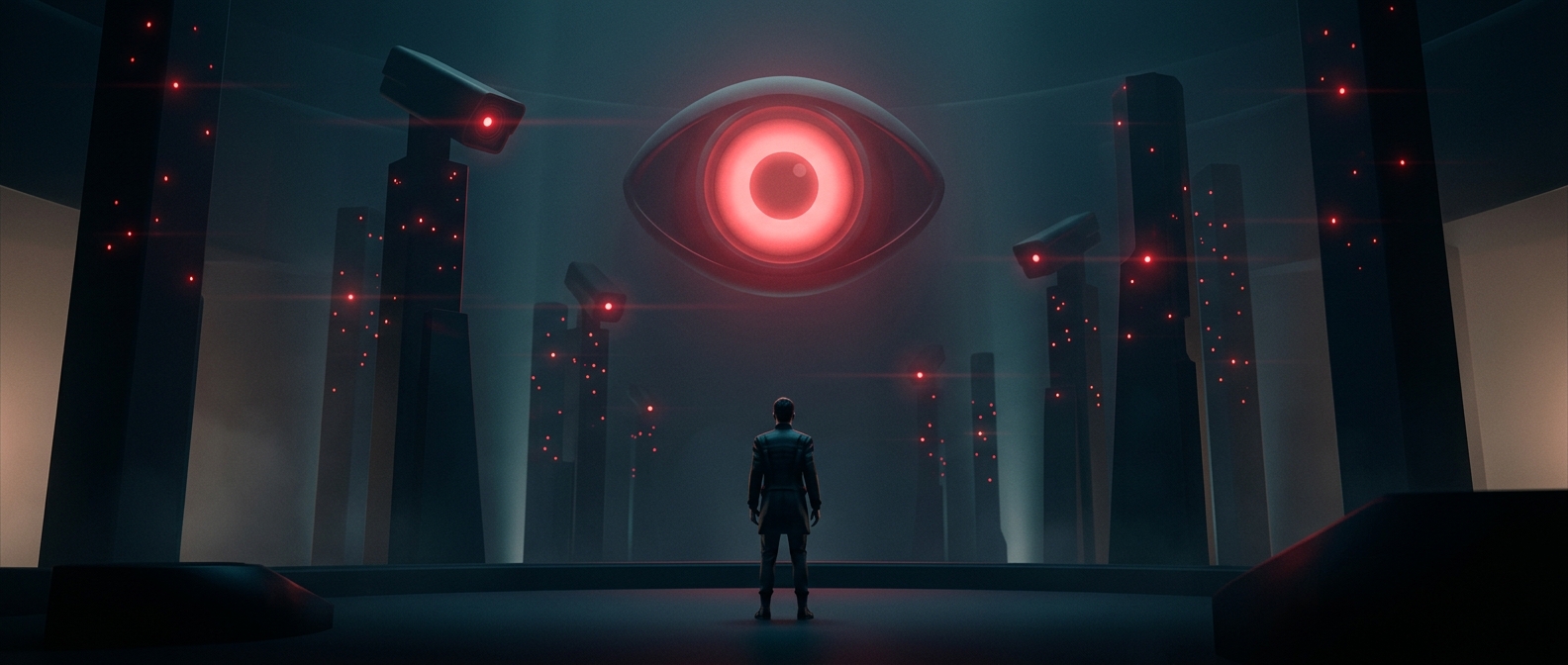
The indicator also makes recording more legible to people who might otherwise have no way to know the camera is active. That can support clearer expectations around being filmed, though the light alone cannot explain where footage is going or who will see it.
Because it is only a status cue, cameras can record without one, and some models let users disable or configure it. The practical tradeoff is simple: a more noticeable light makes the camera’s state easier to read, while a less visible one is less distracting. Either way, the red glow is there for the people around the camera—not to help the camera see.