Glasses as a Shortcut for “Before” and “After”
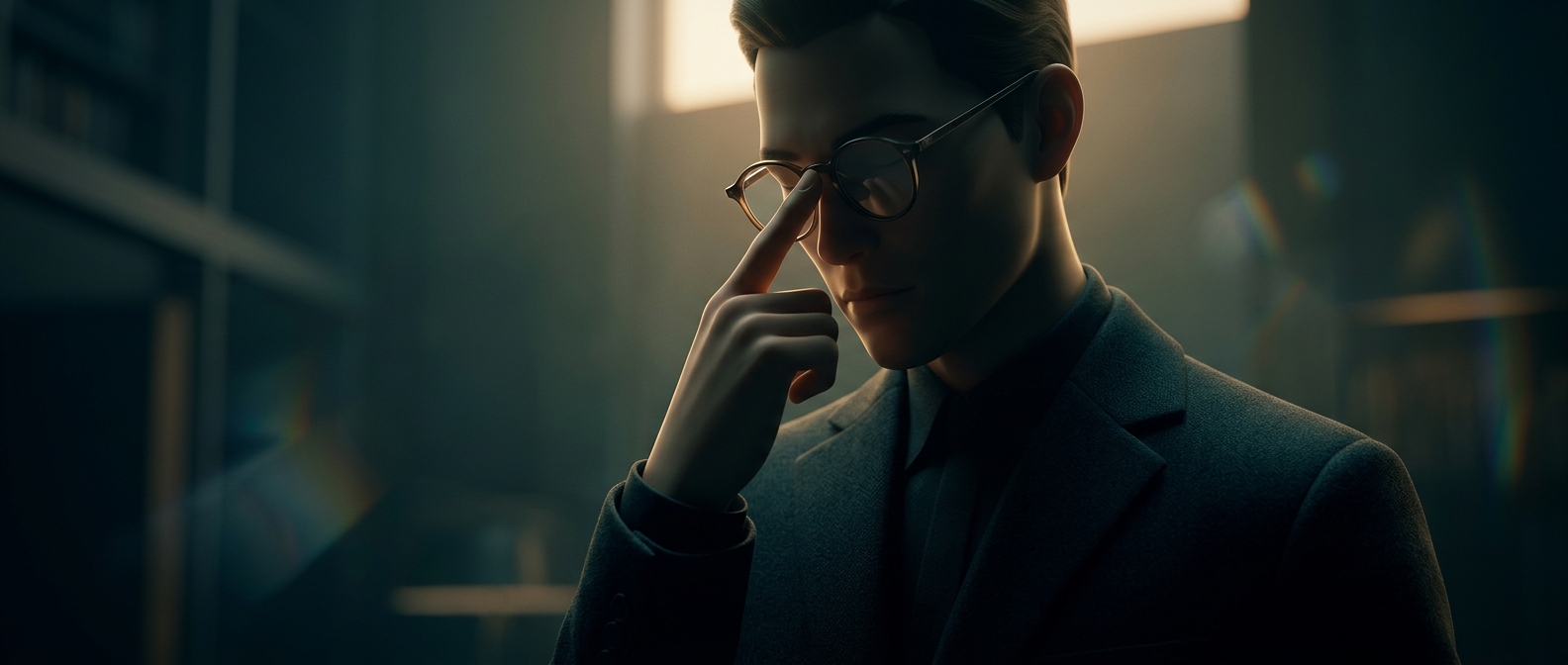
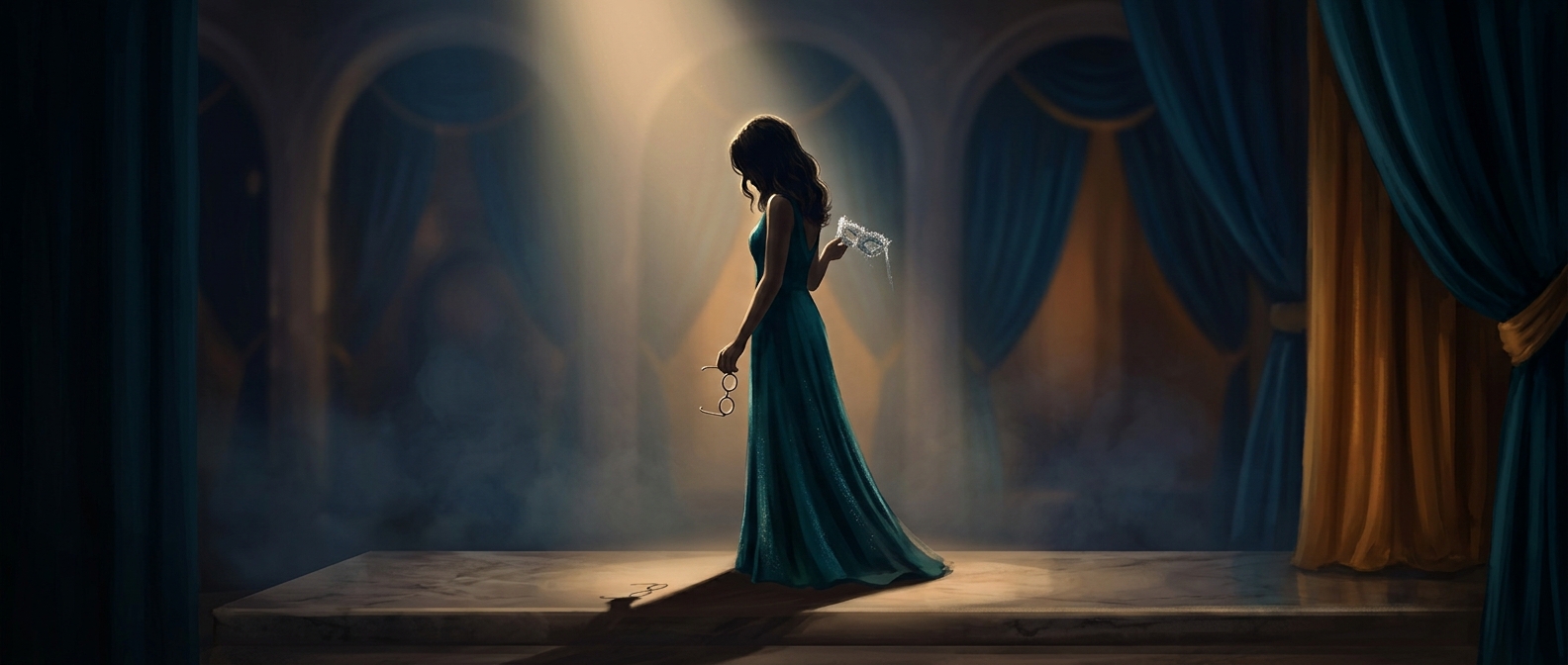
In a makeover scene, the glasses are rarely just eyewear. They are a visual cue that lets a film announce a character’s supposed social status before anyone says a word. Add a loose hairstyle, plain clothes, or a hunched posture, and the audience gets a quick “before” image; remove the frames and change the styling, and the same actor can be presented as newly confident or desirable.
That shorthand is especially useful in a fast-moving story. A movie has limited time to establish who belongs in the popular crowd and who feels overlooked. A recognizable prop can do that work in a glance, while a dramatic reveal gives the transformation a clear visual payoff.
The Reveal Changes the Audience’s View, Not the Face
The device depends on contrast. The character’s features were visible all along, but the camera, costume, lighting, and other characters’ reactions direct attention toward a different version of them. When the glasses come off, the scene treats the change as a discovery—even though the person underneath has not fundamentally changed.
That can make the makeover feel satisfying as fantasy: someone dismissed by classmates is finally noticed. But it also exposes the story’s narrow equation of attractiveness with popularity. Glasses become part of a costume for being awkward, while beauty is framed as something uncovered by removing them.
A Convenient Trope With a Real-World Cost
The shortcut can blur the difference between changing one’s style and changing one’s worth. In real life, glasses are practical tools, not reliable clues to personality, confidence, or social standing. On screen, however, they can be used to make a character seem less attractive without changing the actor’s face at all.
That is why the trope is easy to recognize—and easy to parody. Its supposed transformation often reveals less about the character than about the movie’s visual rules: the same person is treated differently once the story tells viewers to look at them differently.