The “Top Gun” effect reached the cash register
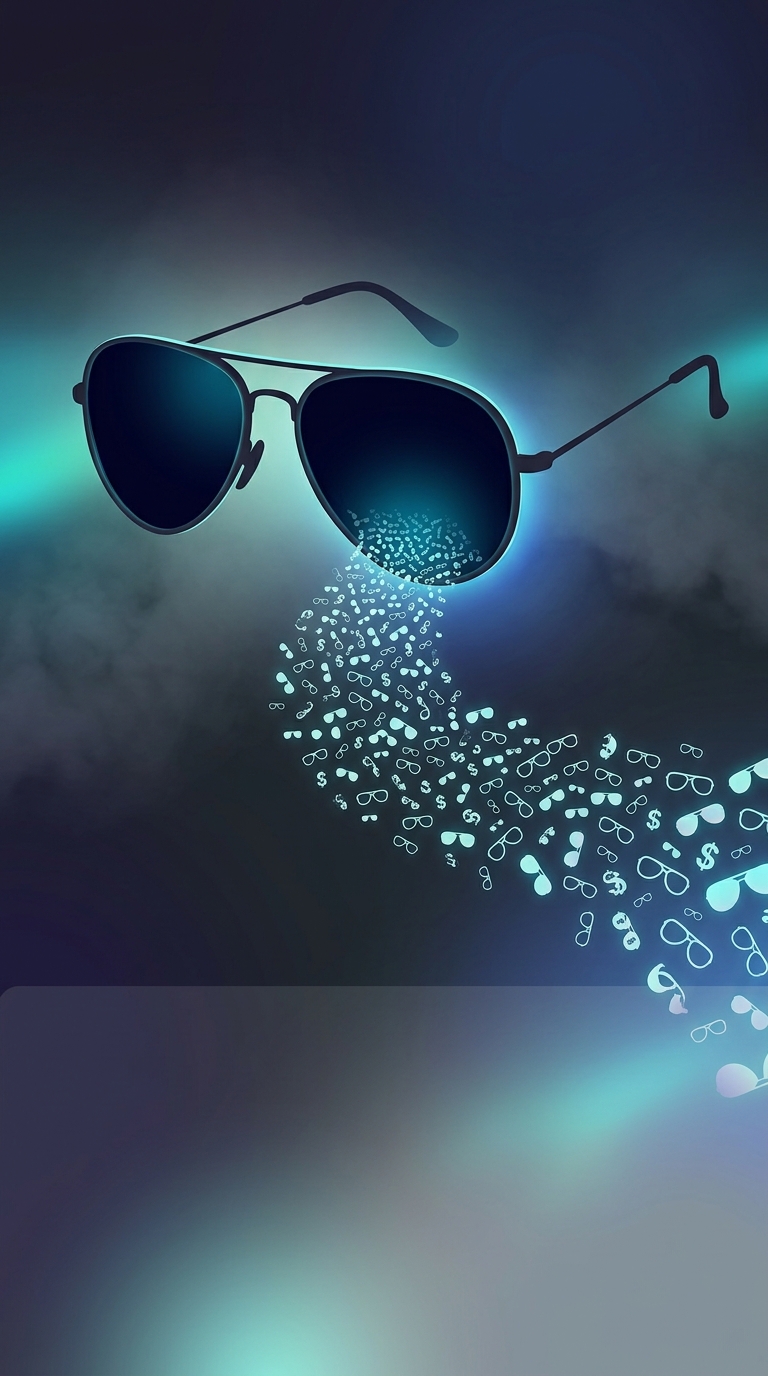
The reported real-world jolt was a sales surge: Ray-Ban Aviator sales rose by about 40 percent after Top Gun came out in 1986. The film turned a familiar pair of sunglasses into part of the image of Pete “Maverick” Mitchell, Tom Cruise’s confident, risk-taking Navy pilot—and viewers could buy the same look outside the theater.
Why a movie look could move a product
Aviators were not invented for the film. Ray-Ban had introduced the teardrop-shaped design decades earlier for pilots, whose glasses needed to shield their eyes while leaving a wide field of view. But Top Gun gave the style a vivid new setting: sunlight flashing off the lenses on a flight line, beside aircraft and leather jackets.
That context did more than show the product. It connected the glasses with the movie’s energy and identity. When audiences wanted to imitate Maverick, the sunglasses offered a small, wearable piece of the character’s look—far easier to adopt than his job or his fighter jet.
From screen time to street style
This is the power of product placement: a brand appears as part of a story rather than as a separate advertisement. The film made the Aviators conspicuous, while the character gave them an association viewers could remember. The reported sales jump shows how entertainment can turn an old design into a timely fashion choice.
The striking part is that the film did not need to invent a new pair of glasses. It needed only to put an existing one on the right character, in the right world—and make millions of viewers want to borrow the look.