How animal recordings became Chewbacca’s voice
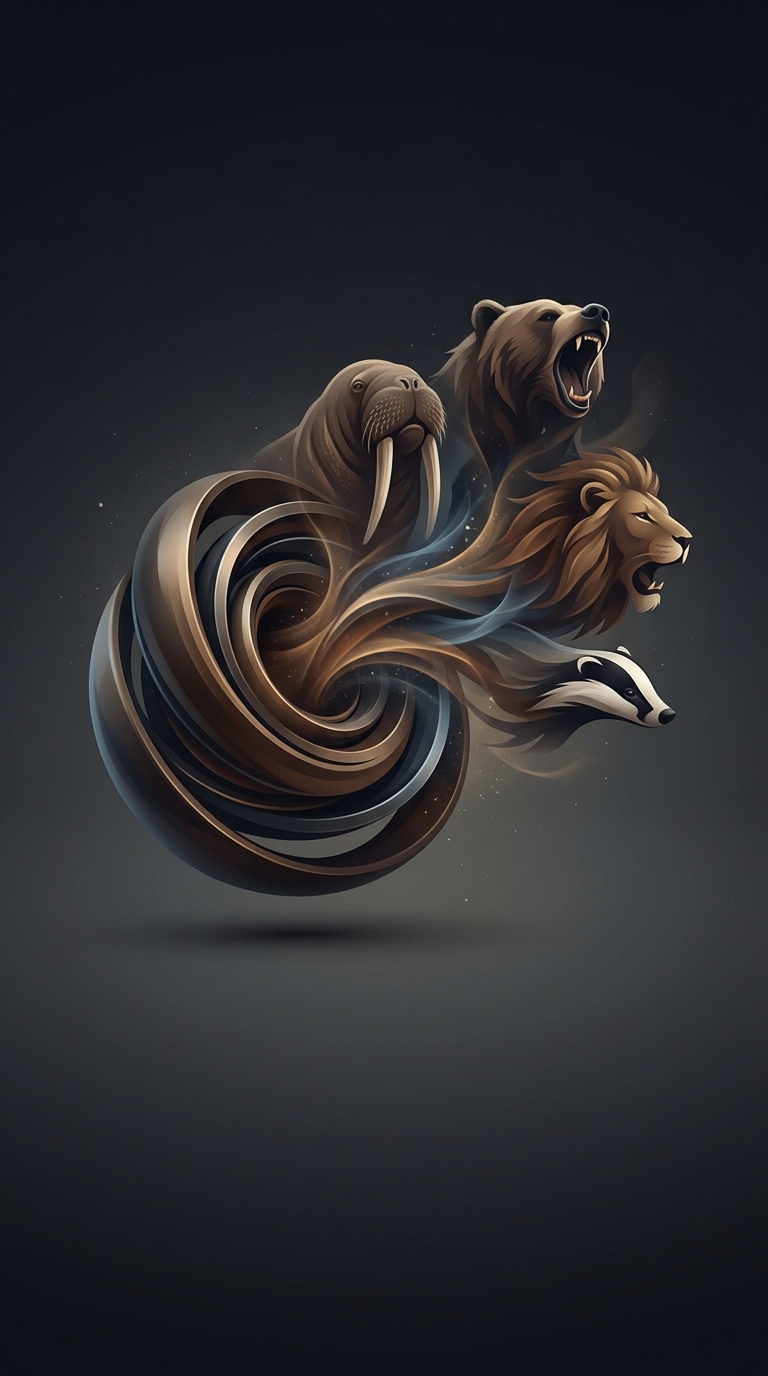
A single animal growl would sound like a single animal. Chewbacca needed to seem more complicated: a character who could complain, react, and communicate without speaking English. Sound designer Ben Burtt’s solution was to build a vocal identity from several animals rather than rely on one recognizable call.
The recordings supplied different textures—deep roars, rough grunts, and resonant sounds. Combined, they made a voice that felt organic but did not belong too clearly to any one creature. That ambiguity mattered: audiences could hear emotion in Chewbacca’s noises without mistaking him for an ordinary bear or lion.
From raw sounds to character
The recordings were raw material, not finished dialogue. Burtt selected and combined short animal sounds to create the vocalizations needed for a scene. That let the sounds function like performance: a brief, rough burst could read as annoyance, while a longer, more varied sequence could suggest a response. The visual acting and the human characters’ reactions helped viewers interpret what the noises meant.
This approach also solved a practical storytelling problem. Chewbacca could be expressive without being given conventional spoken lines, preserving his alien quality while keeping him emotionally legible. The voice works because it sits between animal sound and conversation: strange enough to make the character feel nonhuman, yet shaped enough for an audience to follow the feeling behind each utterance.