How a studio sound effect became an inside joke
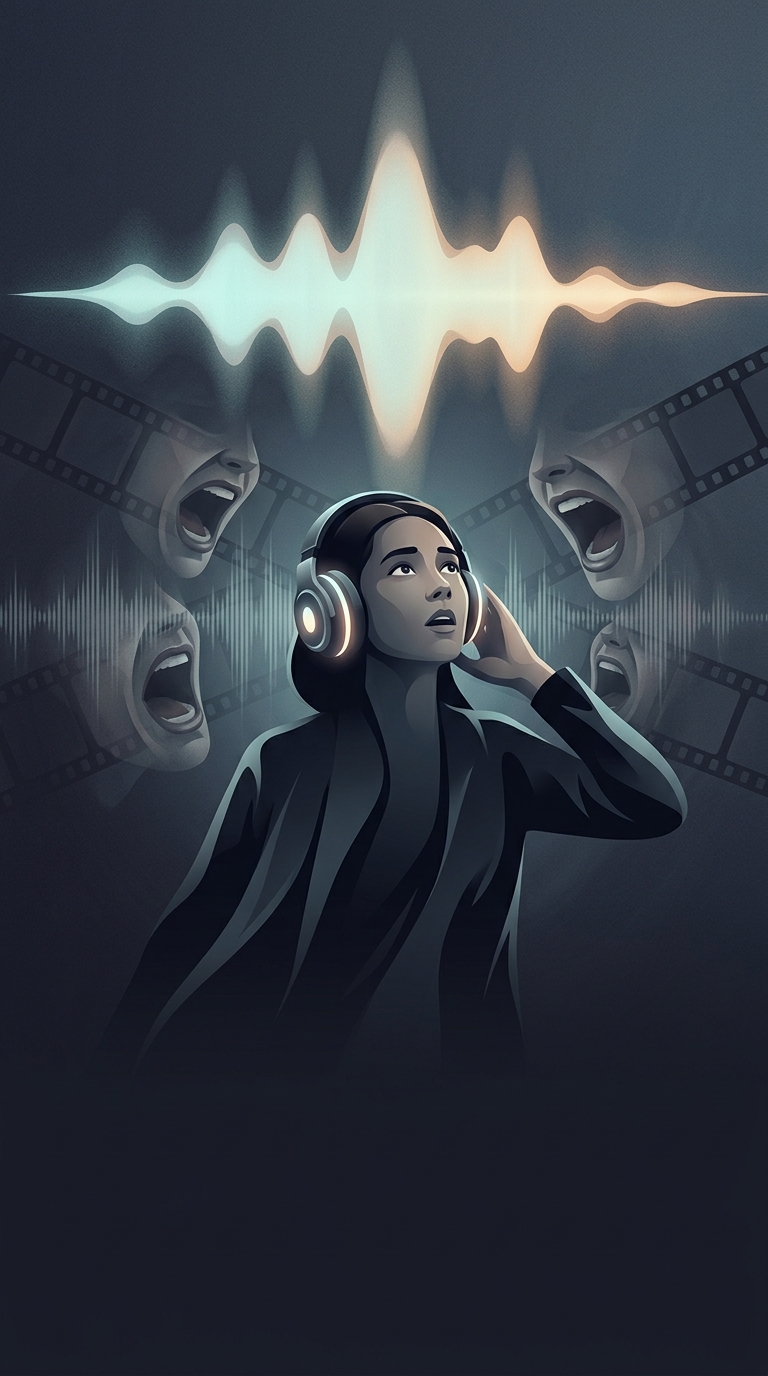
The Wilhelm Scream is a brief, unusually theatrical yell recorded for a film in the early 1950s. It first appeared in Distant Drums (1951), during a scene in which a man is attacked by an alligator. The sound did not remain tied to that moment: once it entered the pool of effects available to filmmakers, it could be reused wherever a production needed a sudden cry of pain or alarm.
That reuse made the scream recognizable. In The Charge at Feather River (1953), it accompanies a character named Wilhelm being shot. Years later, sound designer Ben Burtt gave the effect its now-familiar nickname and brought it into Star Wars. Its appearance in a major blockbuster helped turn an obscure piece of studio audio into a private joke among film crews—and, eventually, moviegoers.
Why keep using the same yell?
A sound library makes production more efficient: editors can choose a tested effect instead of recording every small noise from scratch. The tradeoff is that a reused sound can become familiar to people who hear it often. For those in on the joke, that familiarity is the point. A filmmaker can tuck the scream into an action scene as a quick, almost invisible nod to other films and to the people who make them.
It also suits the practical demands of sound editing. A short vocal effect can be placed under music, impacts, and dialogue, where it helps sell a moment without requiring the audience to follow a new character or story. The scream survives not because every film needs that exact yell, but because its distinctive delivery makes it easy to recognize once you know what to listen for.
The payoff is in spotting it
The effect has turned up across generations of movies, often in a fleeting background moment. That makes it less like a recurring character than a movable signature: the scene changes, but the same voice slips through. Once a viewer recognizes it, a routine movie sound can become a little connection between films—and a reason to listen closely during the next chaotic battle scene.