Why the film’s lions needed a different roar
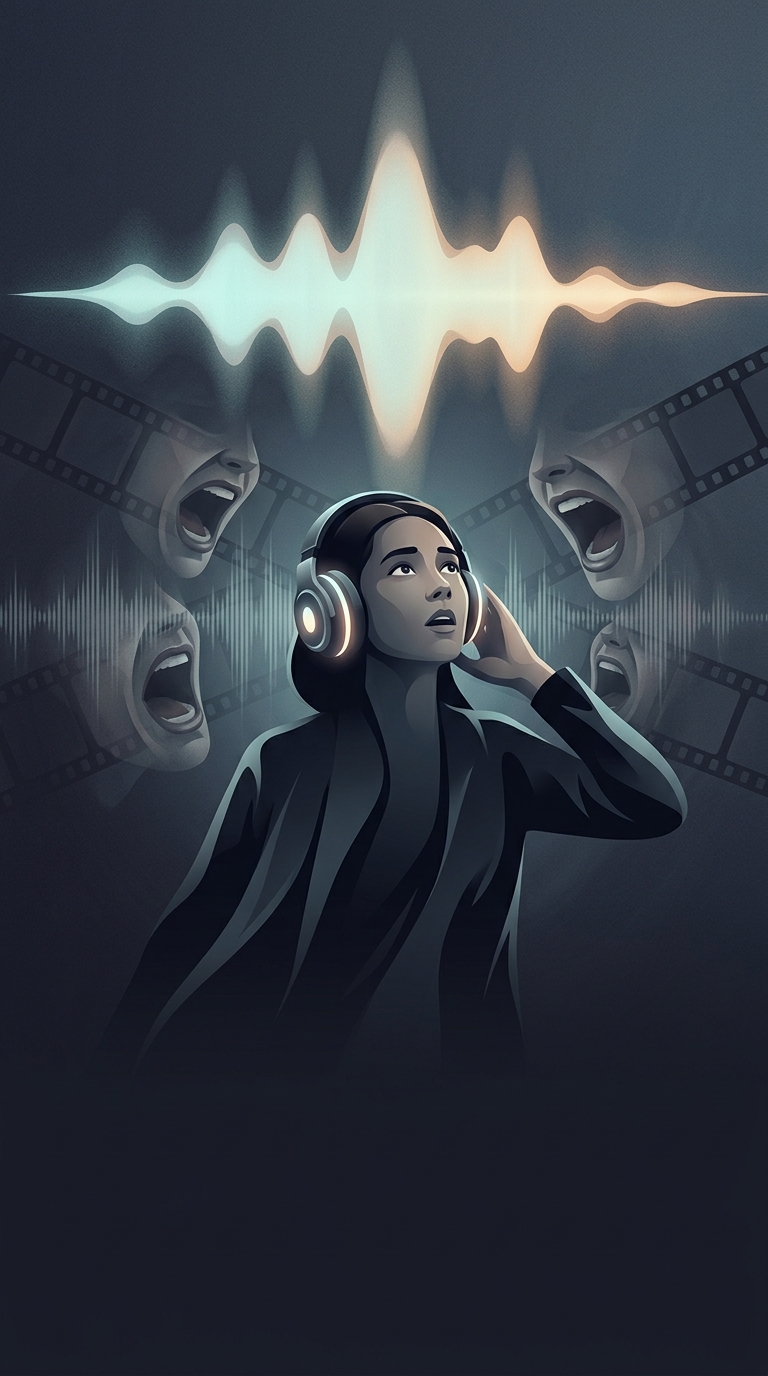
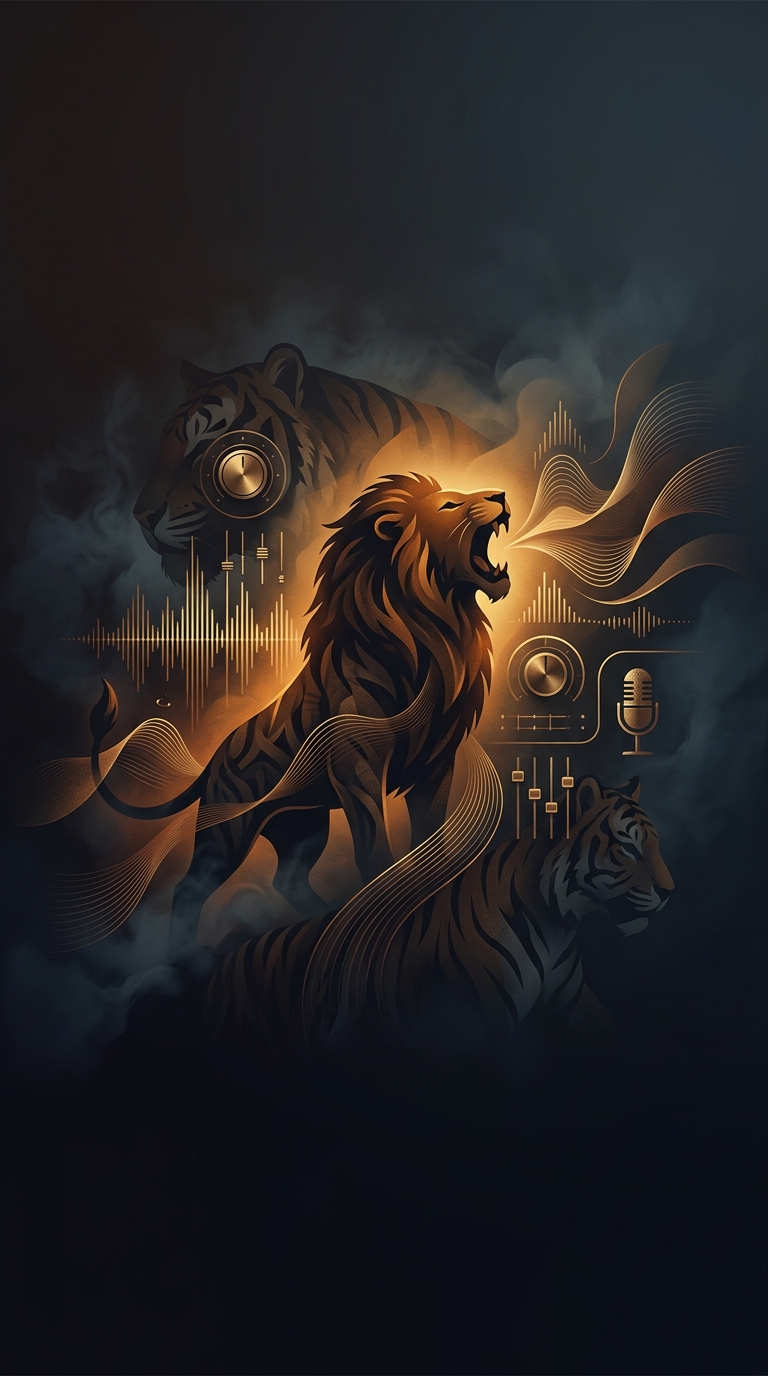
An animated character has no natural voice to record. Its sound has to be built for the scene: the roar must feel large enough to carry across a theater and convey what the character is feeling, whether that is authority, anger, or fear. In The Lion King, the filmmakers favored tiger vocalizations because they judged real lion roars too mild for the dramatic effect they wanted.
That choice reflects a basic sound-design tradeoff. A recording can be true to the animal and still fail to communicate the intended emotion in a film. The audience does not hear a roar in isolation; it hears a sound selected and placed to make an animated image feel vivid and imposing.
A character’s voice is not a wildlife recording
Mufasa and Simba are lions in the story, but their roars are part of the film’s performance, not an attempt at documentary accuracy. Animal sounds give animators and sound teams expressive material to work with, while the final effect serves the scene and the character.
The distinction is easy to miss because the roar seems to belong naturally to the animal on screen. But the sound is a creative choice: the king of the savanna gets the vocal force the filmmakers wanted, even when it comes from another big cat.