A shark with a lawyer’s name
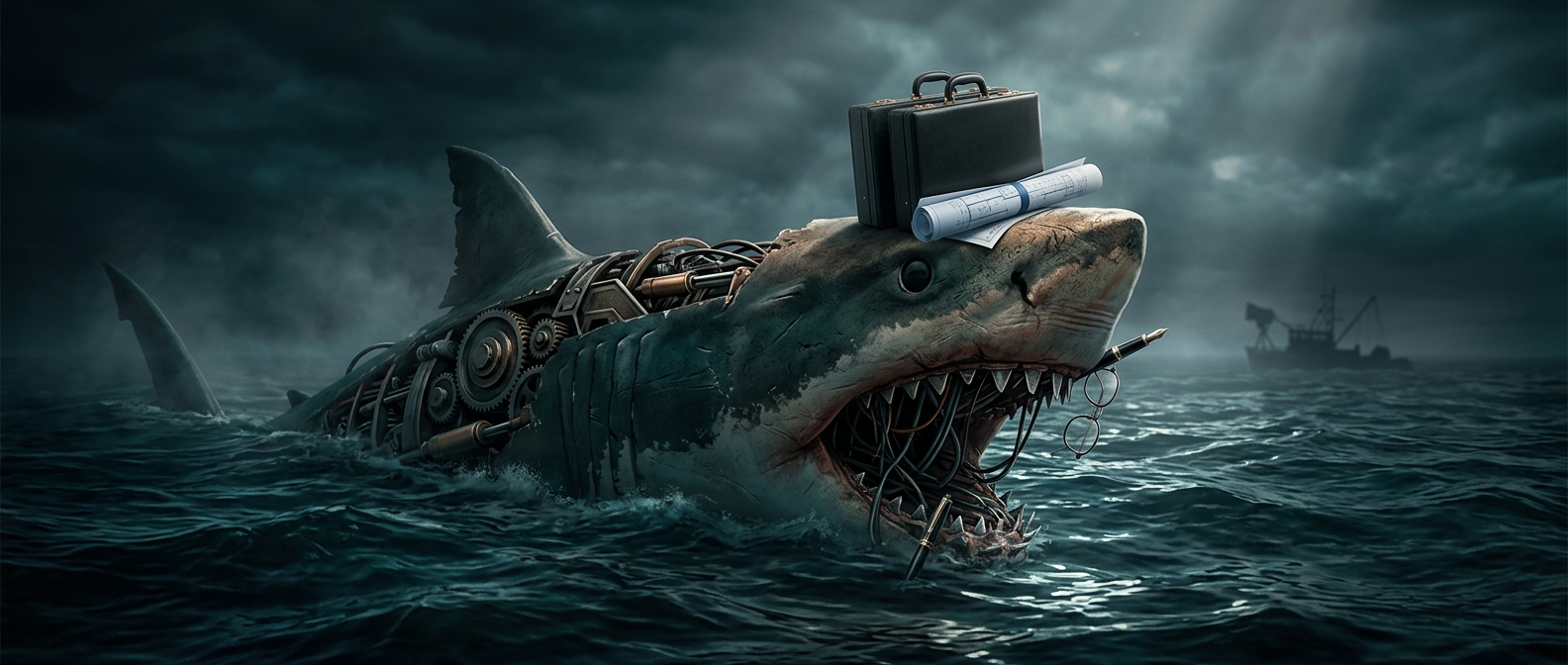
The mechanical shark in Jaws was called Bruce after Steven Spielberg’s real-life attorney, Bruce Ramer. The name was a private joke, but it became useful shorthand for one of the film’s biggest production headaches.
When the shark could not do its job
The production’s three full-size mechanical sharks—built to be operated in water—were difficult to keep working in the ocean. Salt water and waves complicated the machinery, and the rigs often malfunctioned. Spielberg could not simply count on the shark to appear on cue, so he had to rethink how to build suspense without showing it.
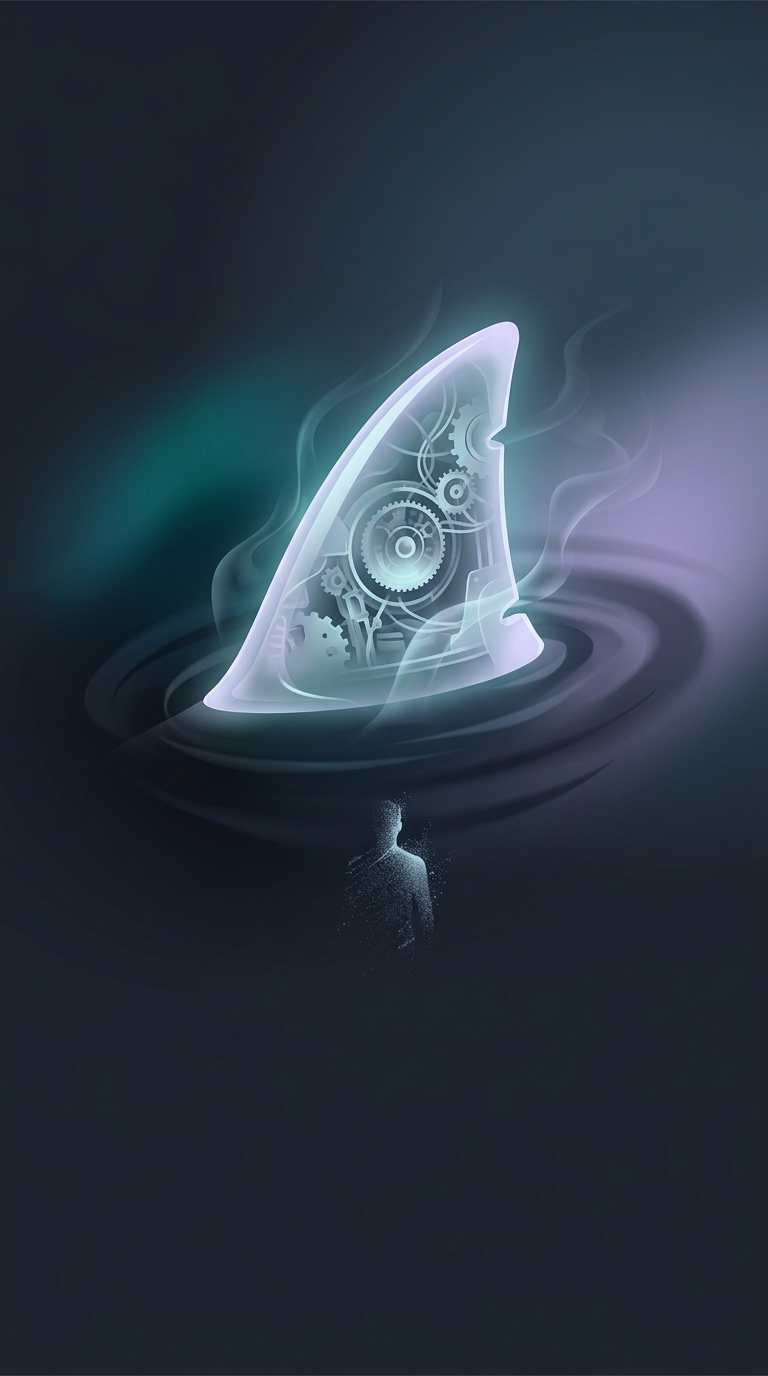
That constraint helped shape the film’s approach. Instead of relying on a clear, continuous view of the predator, scenes often suggest its presence through what people see and hear: a fin, disturbed water, or the reactions of those in danger. The shark’s limited screen time became part of the suspense rather than just a technical compromise.
From in-joke to film lore
Calling the machine Bruce made the troublesome prop easier to talk about—and gave the crew a wry way to personify a piece of equipment that repeatedly refused to cooperate. The name stuck beyond the set, turning a production joke into a lasting piece of Jaws lore.
The memorable irony is that the shark’s failures helped push the film toward suggestion: audiences often feel the danger before they get a good look at Bruce.