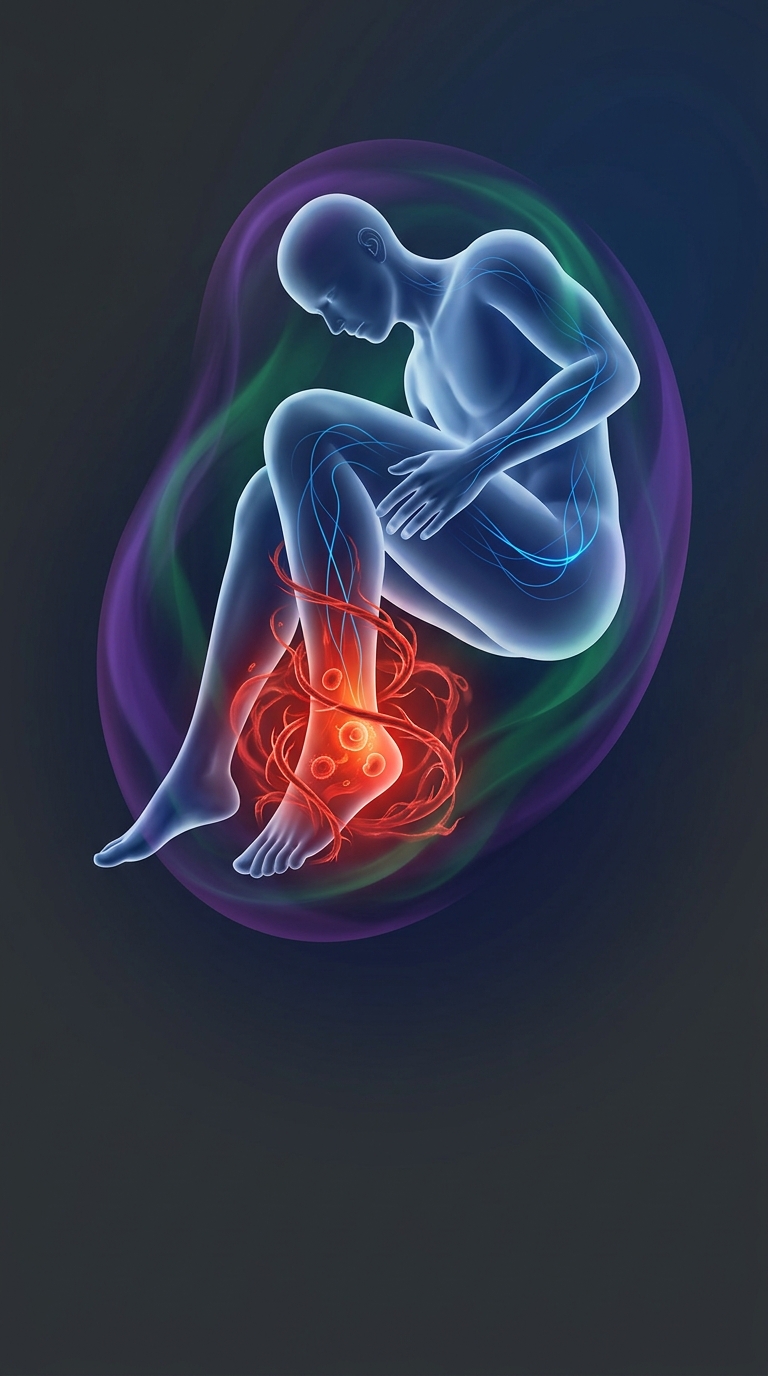
Why an Injury Swells—and Hurts
When tissue is damaged, nearby cells release chemical signals that change the behavior of small blood vessels. The vessels widen and become leakier, allowing more blood and fluid to enter the area. That delivers immune cells and repair materials, while the fluid helps contain the damage and creates the familiar puffiness of inflammation.
White blood cells also move into the tissue. Some help remove microbes; others clear damaged cells and release signals that coordinate repair. Inflammation is not a separate step from healing so much as the body’s early response that helps prepare the site for it.
How the Response Creates Pain
Swelling can stretch tissue and press on sensitive nerve endings. At the same time, inflammatory chemicals can make those nerves easier to activate. As a result, pressure or movement that would normally be harmless may hurt, and the area may ache even when it is still.
That pain can encourage someone to protect the injury. Avoiding a painful movement may limit further strain while the tissue is vulnerable. But pain is not a precise gauge of how much damage remains: inflammation itself can make a relatively small area feel intensely tender.
When Protection Becomes a Tradeoff
The same response that brings immune and repair resources can temporarily restrict movement. Gentle protection may help, but keeping a joint or limb completely still for too long can also make it stiff and weak. What makes sense depends on the injury; severe pain, rapidly increasing swelling, or difficulty using the area may call for medical assessment.
The useful takeaway is that swelling and soreness are not simply signs that the body has failed to heal. They are part of the response—but they can also be signals to give injured tissue time and appropriate care.