A Joke Can Have More Than One Author
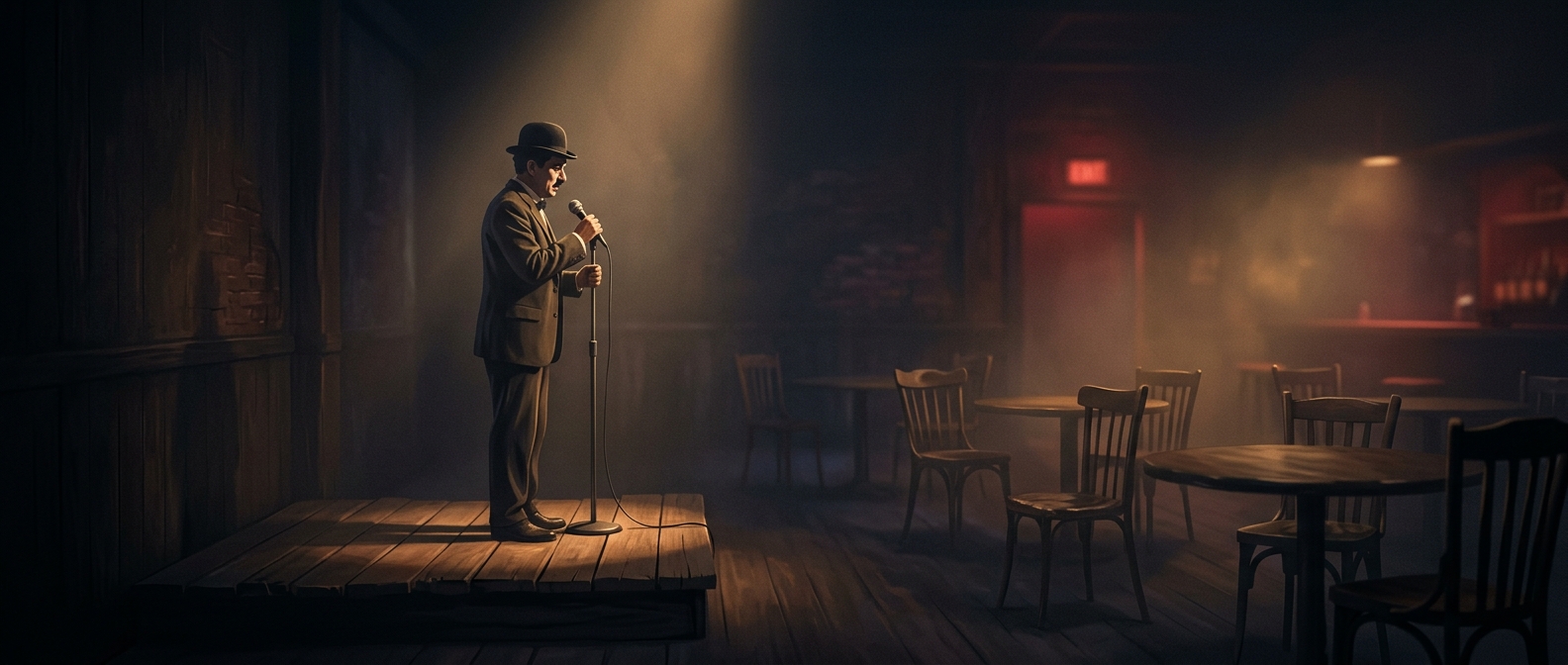
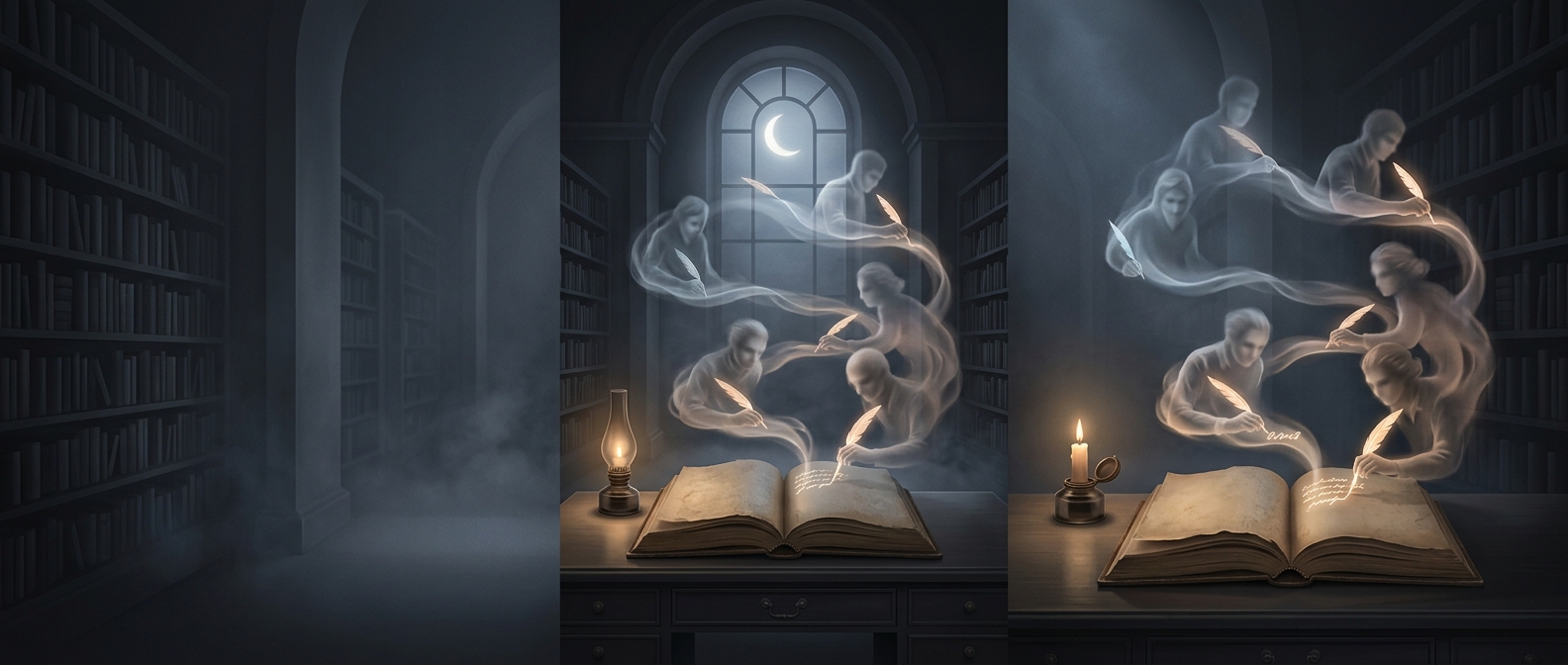
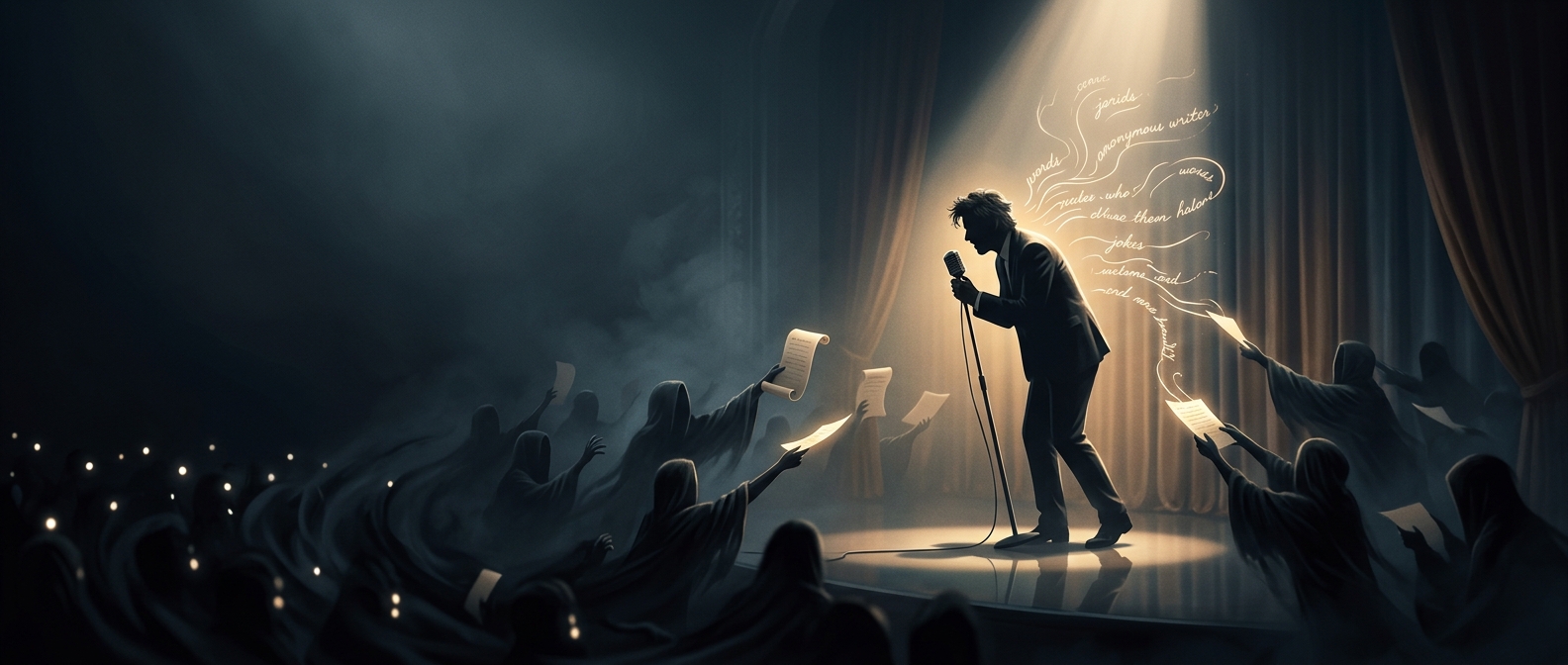
A stand-up special looks like a solo performance, but the material may have been shaped by other people before it reaches the stage. A comedian can hire a writer to “punch up” a bit: sharpen its wording, suggest a stronger ending, or find a surprising turn that makes the audience laugh sooner.
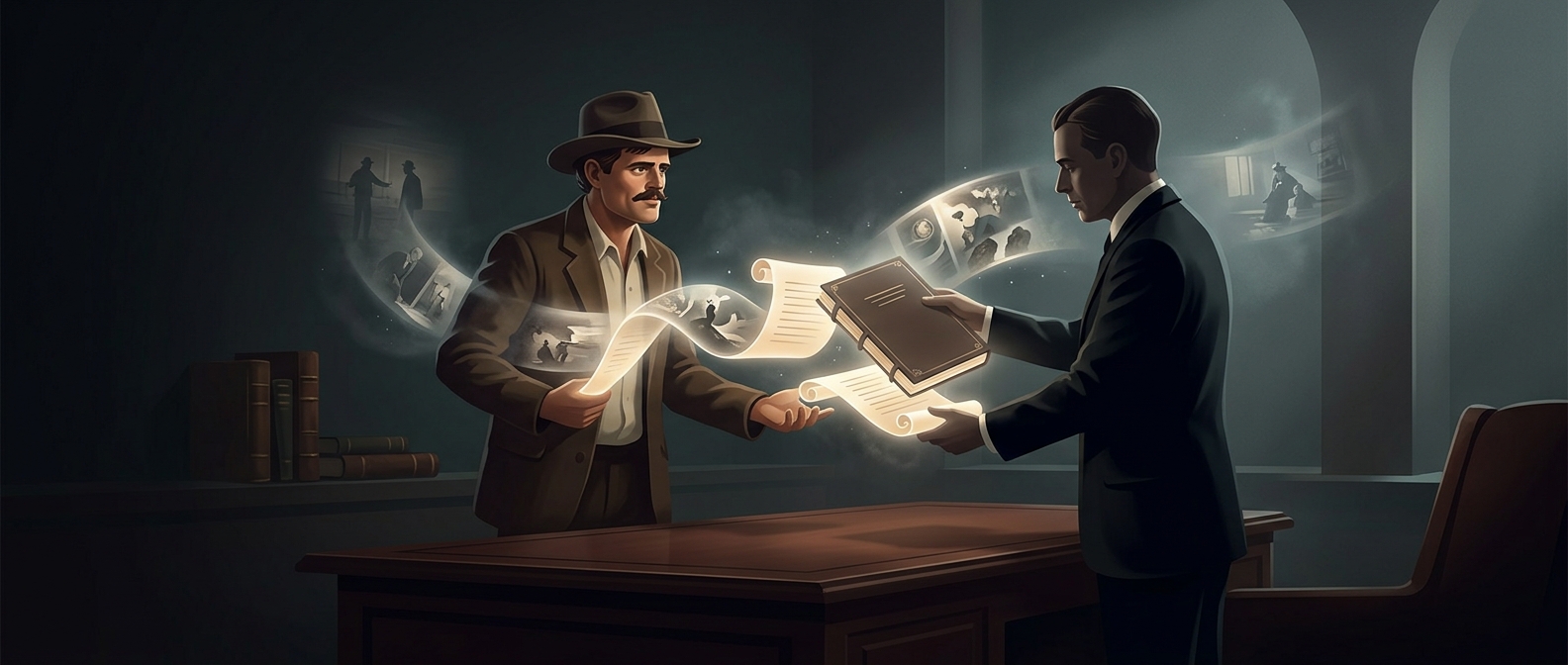
That help can range from a handful of alternate lines to substantial work on a section. It does not necessarily mean someone hands the performer a finished joke. The comedian may bring in a premise or story, then work with a writer to uncover what is funny in it.
The Performer Still Has to Make It Work
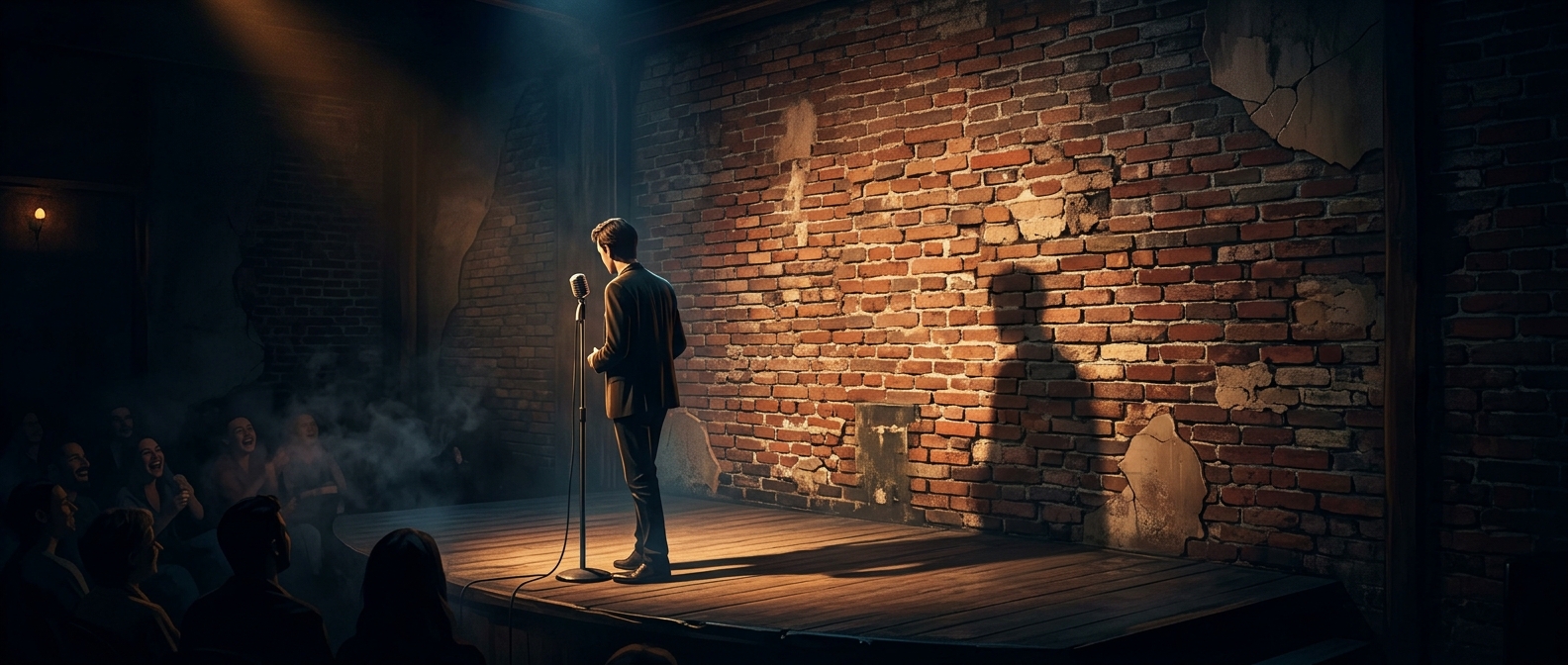
Onstage, a joke is more than a sentence on a page. Timing, pauses, emphasis, and the performer’s persona all affect whether it lands. A writer’s suggestion may sound funny in conversation but feel wrong in the comedian’s mouth; the performer has to test and adapt it, often in front of audiences.
That process makes the collaboration less like buying a ready-made product and more like revision. A writer can offer options, but the comedian decides what fits the act and takes it through performance. The audience hears one voice, even when several people helped shape the words.
What “Their Material” Means
So the joke in a special may not have originated entirely with the person delivering it. But that does not make every instance of outside input the same: a quick edit is different from writing a whole bit. The useful question is not simply who first typed a line, but how much each person contributed to the finished material—and how the comedian made it their own.