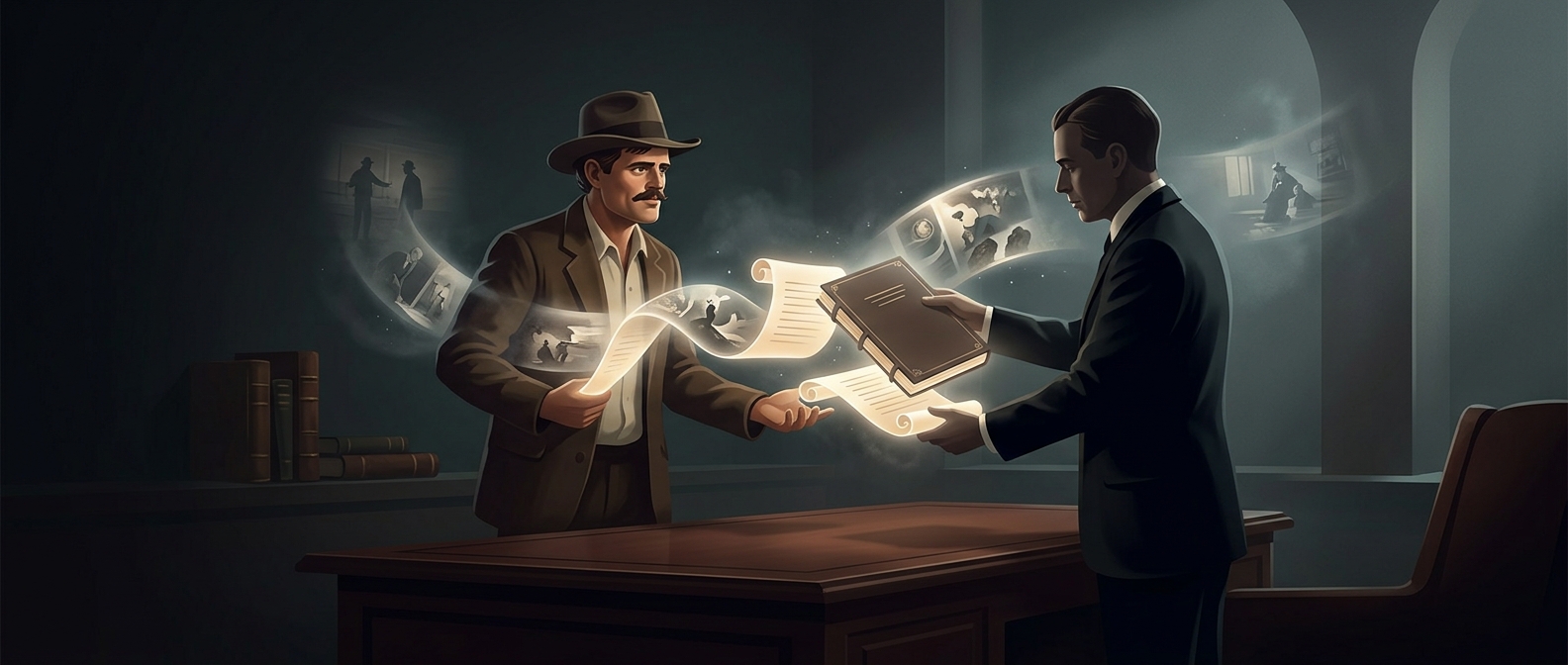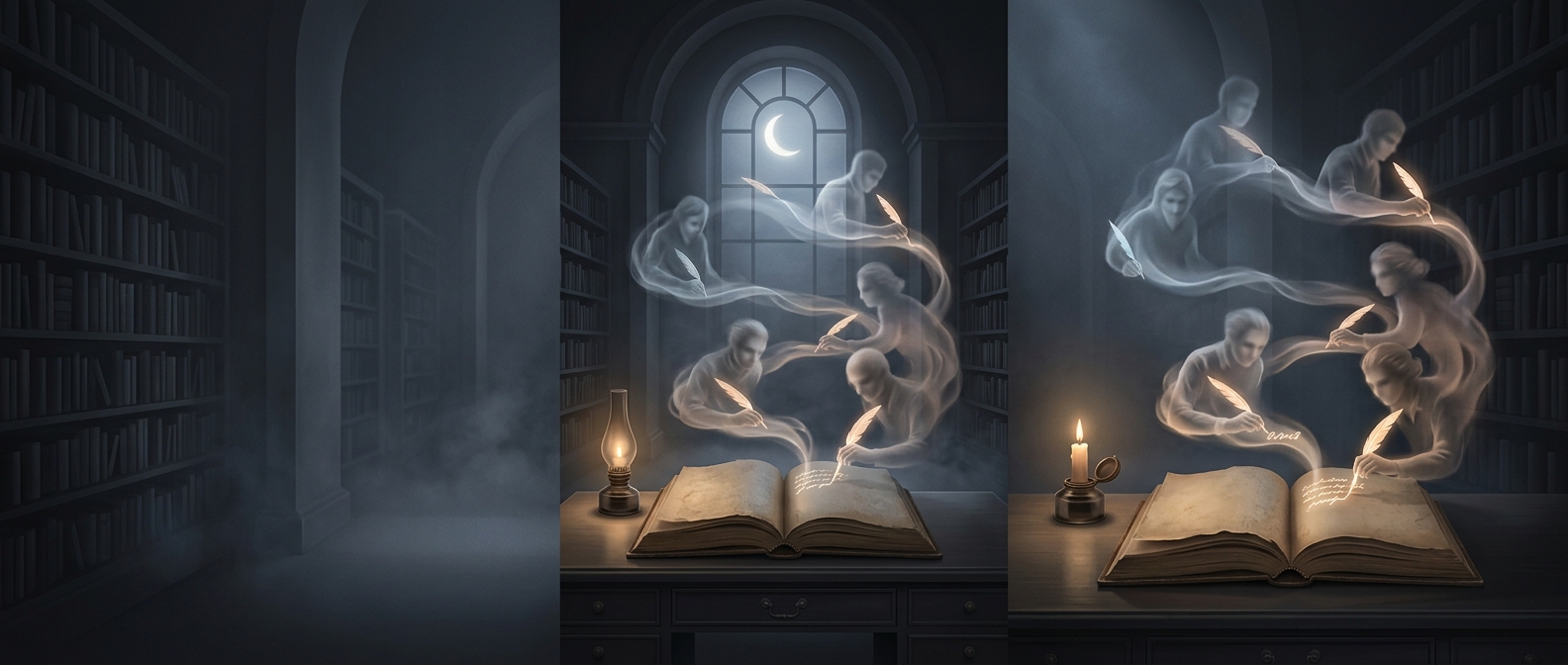
The name on the cover can become a publishing asset
A successful series builds more than an audience for one writer. It creates expectations about a setting, recurring characters, and the kind of story readers will find in each new installment. Publishers may see enough demand to keep that fictional world active even when its original creator stops writing it.
That can make the author’s name function as a brand: a signal of the series readers recognize, rather than a guarantee that the person named wrote every sentence. The arrangement is typically made possible by rights held or licensed by a publisher, an author, or an author’s estate. The exact terms vary, so a continuation is not automatic just because a series is popular.
How a series stays recognizable
A replacement writer needs to carry forward the elements readers care about while still producing a workable new book. Editors may provide notes on the characters, setting, past events, and style; in some projects, earlier books themselves serve as the main guide. The new writer then has to balance continuity with a plot that feels complete, not merely like an imitation of an old installment.
This is especially delicate in a long-running series. A small change in a character’s behavior can feel like a break with the past, while repeating familiar patterns too closely can make the books feel stale. Editorial review helps manage that tension, but it cannot reproduce the original creator’s judgment exactly. Different continuations may therefore preserve the premise while developing its tone or direction in new ways.
What readers are actually buying
For publishers, continuing a series can serve readers who want more time in a familiar world and can keep a backlist—the earlier books in the series—discoverable alongside new releases. For readers, the cover name offers recognition, but the writer credit and publishing details can clarify who made the new book.
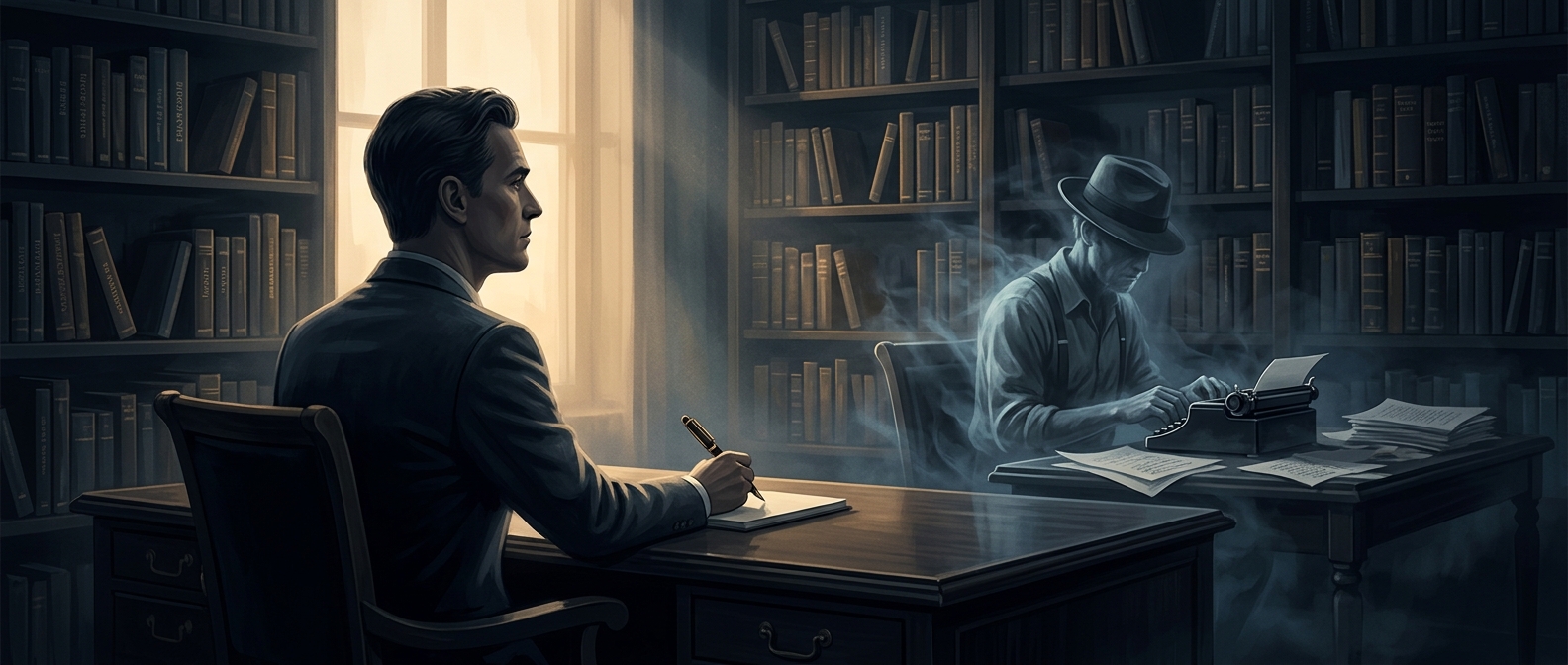
The result is a divided kind of authorship: one person may have created the world, while another carries it forward under an established name. A series can outlast its creator because its audience is attached not only to that person, but also to characters and story patterns that can be continued.