The Unfinished Question That Pulls Readers Forward
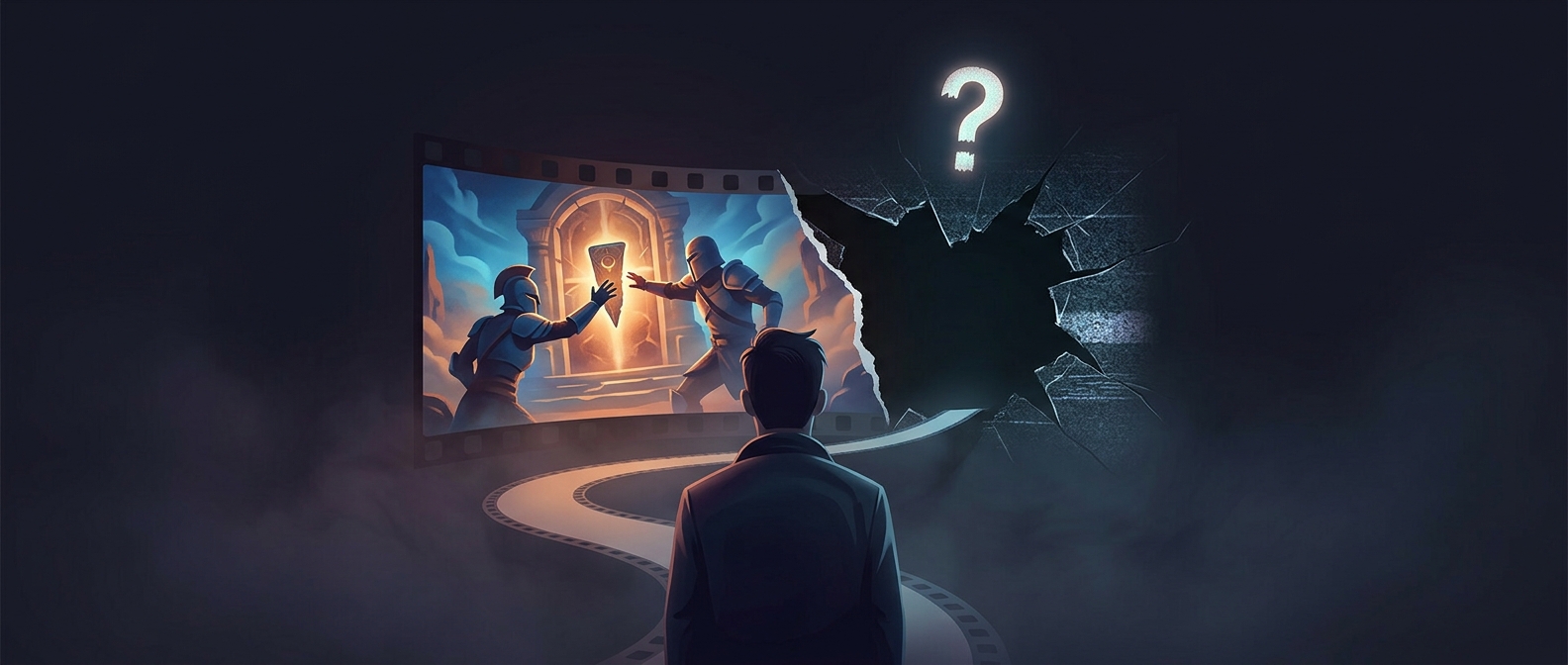
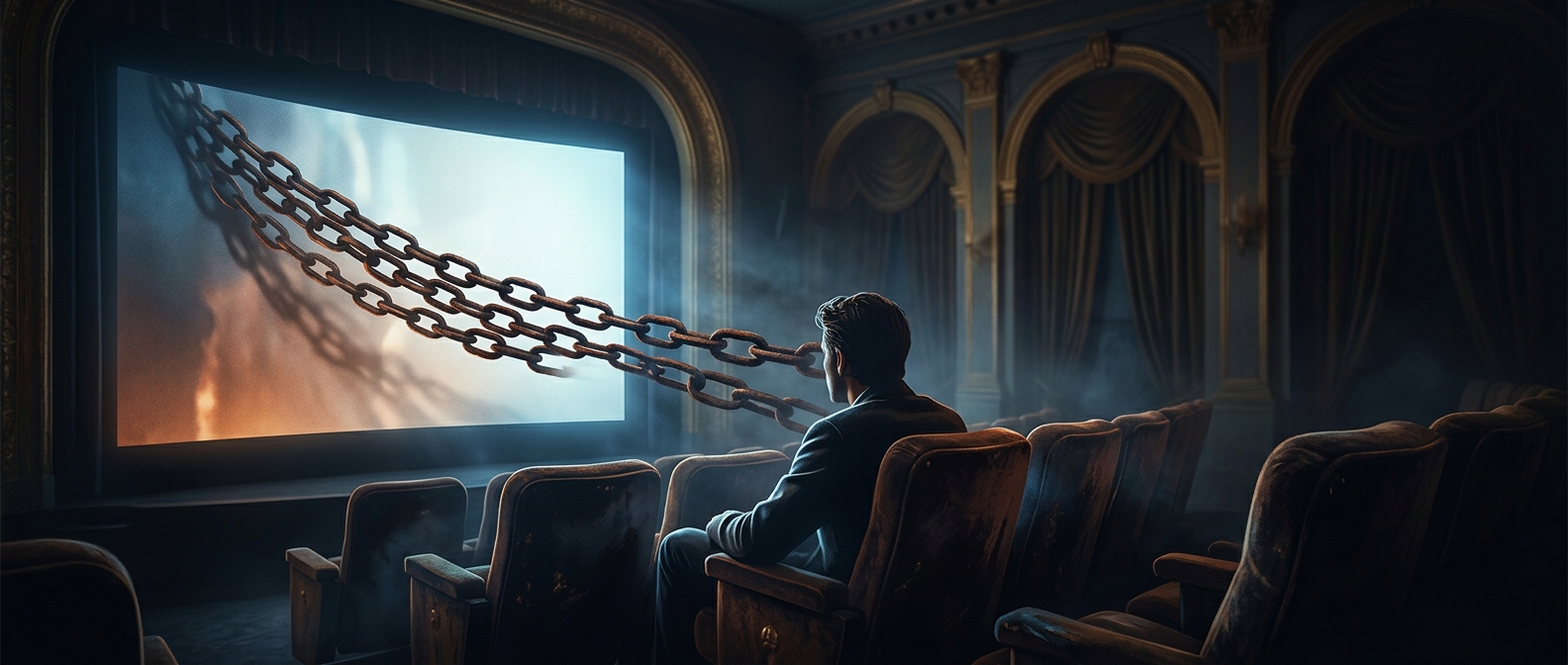
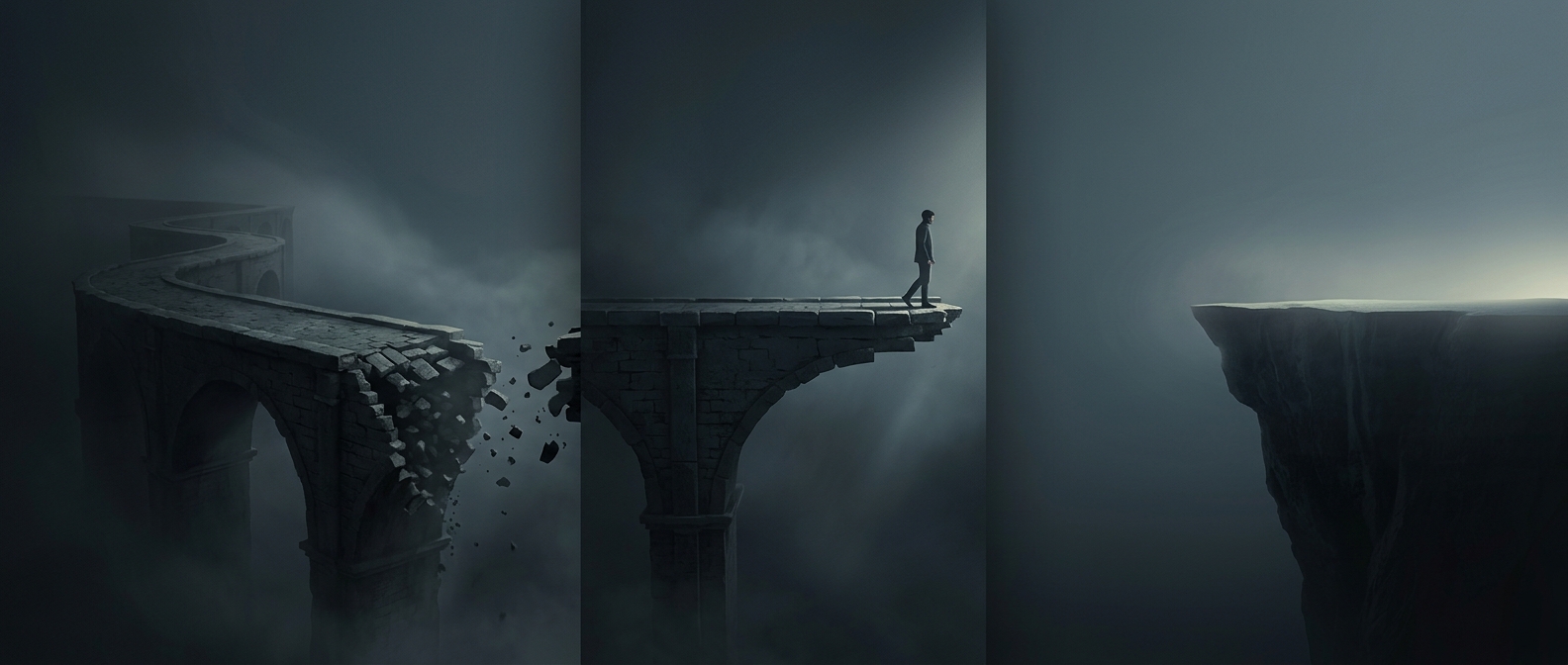
A cliffhanger works by making a reader form a question the story has not yet answered: Who is at the door? Will the plan succeed? What does the discovery mean? Once that question feels urgent, stopping becomes harder than continuing. The reader is no longer just curious about the story in general; they are waiting for a specific piece of information.
That shift matters when a book is released in installments. A chapter or volume can end at a point where the reader’s desire for an answer carries across the gap between releases—and, in a commercial series, toward the next purchase. The suspense is built into the structure: the installment closes, but the story’s central action remains open.
Suspense Needs a Payoff
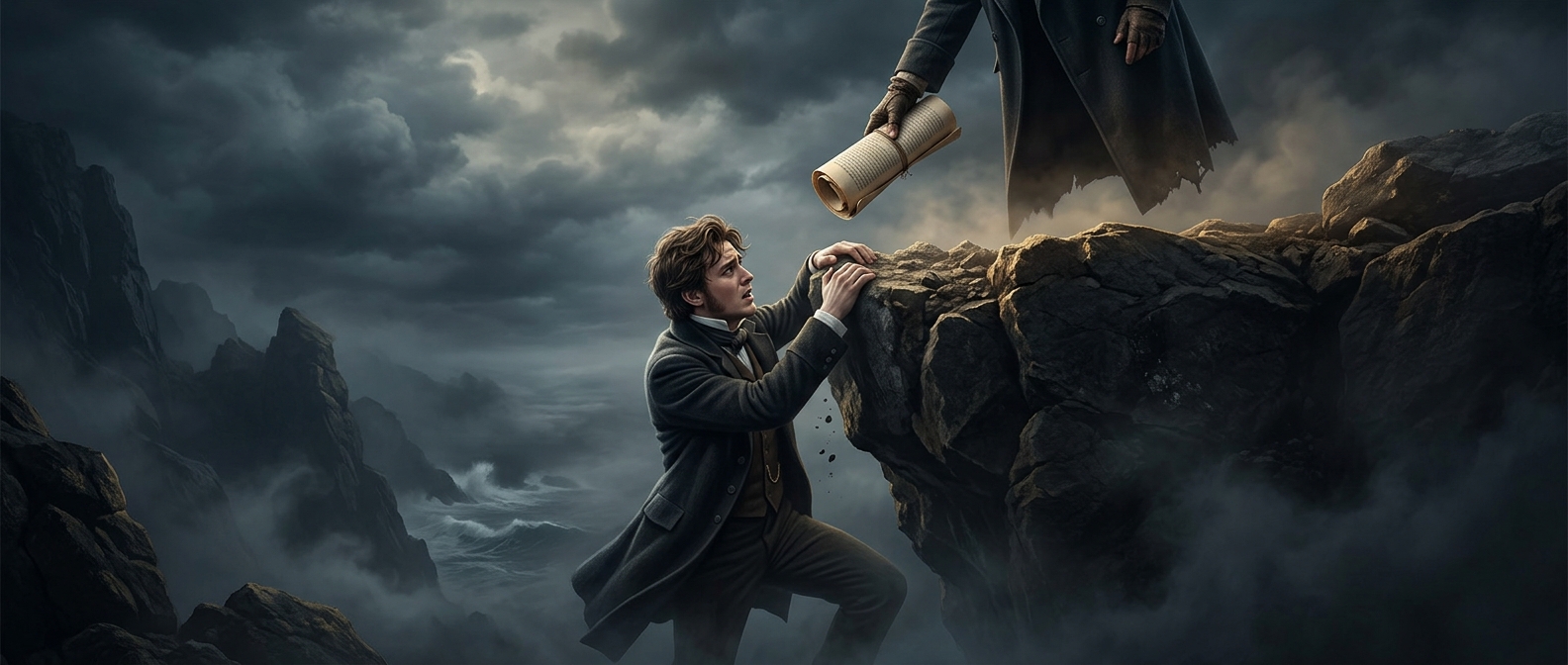
A well-placed cliffhanger does more than withhold information. It raises the stakes just enough that the delay feels meaningful, while giving readers reason to trust that the story will eventually deliver an answer. If every ending simply interrupts an unfinished sentence or piles on new mysteries, suspense can turn into irritation. The unresolved moment has to connect to something readers care about.
That creates a balancing act for the writer: end with enough uncertainty to make the next installment tempting, but not so much that the current one feels incomplete. The strongest cliffhangers leave readers with a question they can carry away—and a clear reason to come back for its answer.