The Payload Is More Than a Moving Objective
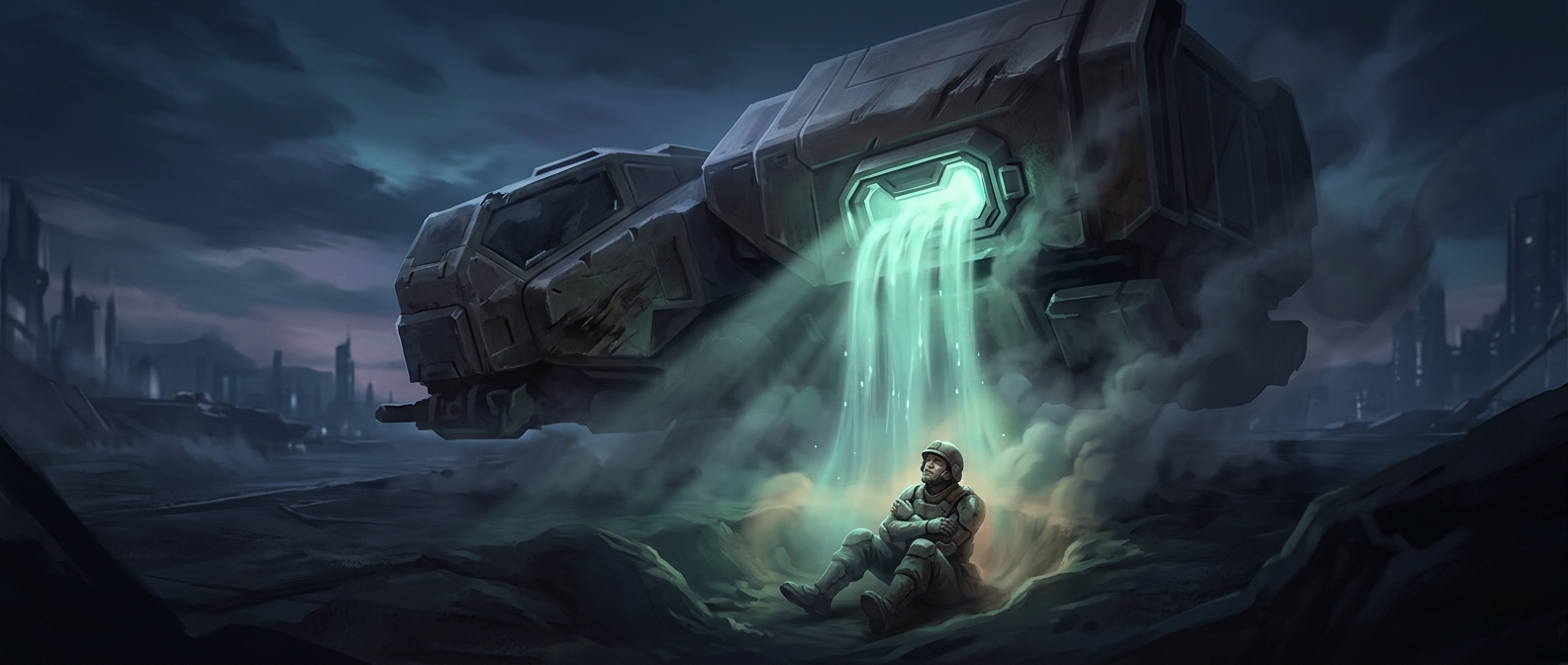
In Overwatch’s escort modes, the payload does something useful for the attacking team while it moves: it steadily restores health to nearby allies. The effect is an area-of-effect heal—a benefit applied to teammates within a certain radius, rather than to one player selected by a healer.
That turns the cart into a small, moving refuge. A wounded attacker who falls back toward it can recover without requiring a teammate to spend an ability or divert attention. The healing is automatic, but it is limited to players who stay close enough to the objective.
A Reward for Staying Together
The mechanic addresses a basic problem in escort matches: the team needs someone near the payload to keep it advancing, while everyone else may be tempted to chase opponents or take distant angles. Healing nearby players makes remaining around the objective more attractive. It gives the group a practical reason to regroup there instead of scattering across the map.
The tradeoff is positional. The payload can help sustain a cluster of attackers, but it does not make them invulnerable. Enemies can contest the objective, pressure the group, or attack from angles the cart does not protect. The team still has to decide when to hold close and when to move out to clear a route.
The Objective Becomes Team Support
Because the payload both determines progress and provides healing, its position shapes more than the match’s score. It creates a moving point where attackers can recover and coordinate. When the team advances, that support moves with them; when the cart stalls, the team’s convenient source of recovery stalls too. The result is a clear in-game incentive: protect the objective, and it helps protect the players around it.