How Starlight Became Stardust in Meteorites
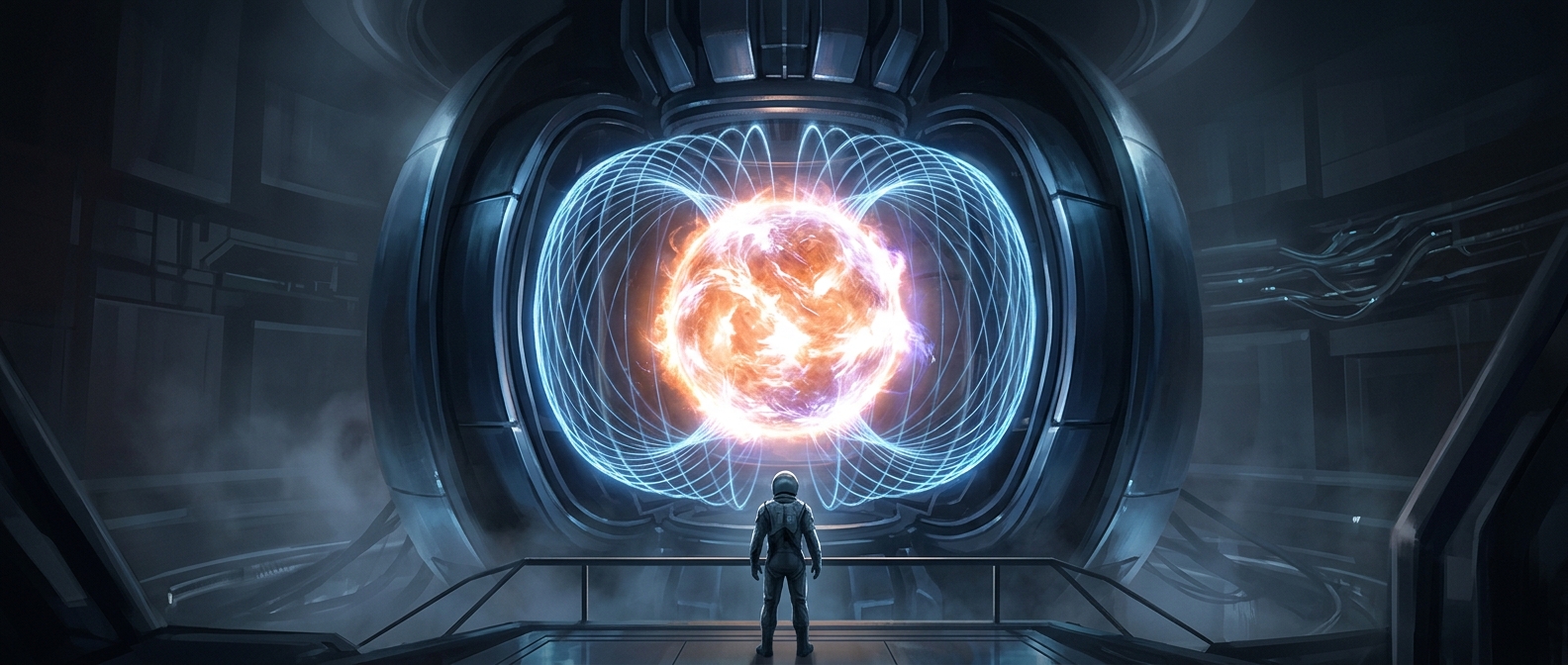
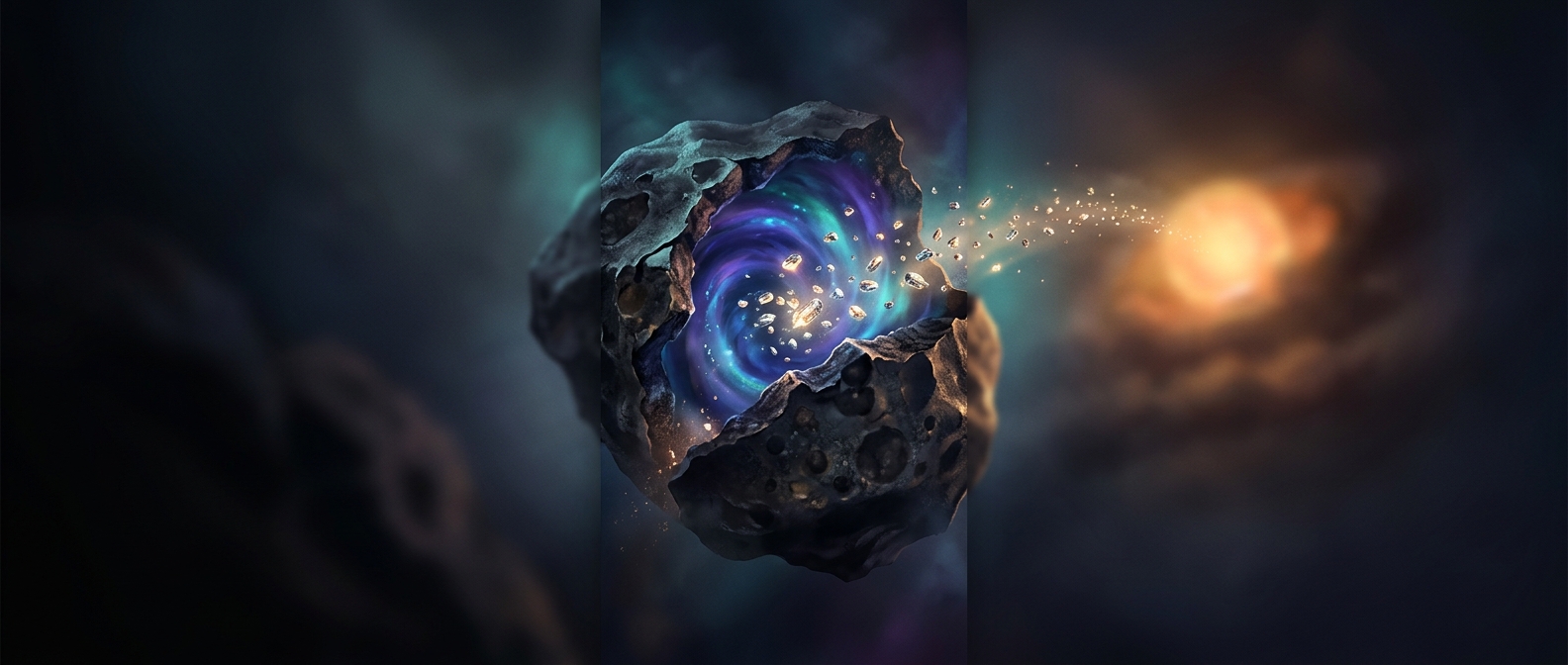
A few grains inside certain meteorites are tiny samples of stars that existed before the Sun. They are called presolar grains: microscopic bits of solid material that condensed from gas expelled by aging stars or produced in stellar explosions. As that material drifted through space, it mixed with the gas and dust that eventually gathered into the solar system.
The grains’ ages are inferred from their unusual isotopic composition. Isotopes are forms of the same element with different numbers of neutrons. Different kinds of stars make distinctive mixtures of isotopes, so a grain’s chemical signature can reveal that it formed outside the Sun’s birth environment. Some grains appear to have spent billions of years traveling through the galaxy before becoming part of the material that built planets.
Why Meteorites Preserve Such Ancient Material
Most of the original cloud was heated and chemically altered as the young Sun and planets took shape. But some presolar grains survived, embedded in primitive space rocks. Their small size and location inside the rock helped keep them from being completely melted or reworked.
When a meteorite falls to Earth, researchers can separate and analyze these grains. The measurements do not make every grain an exact clock, but they can indicate how long material had been exposed to cosmic rays—high-energy particles traveling through space—and help identify grains that predate the solar system.
That makes certain meteorites more than leftovers from planet formation: they are containers for matter made in earlier generations of stars. A single ancient grain can preserve a chemical record from a star that vanished long before the Sun began to shine.