Where the extra lashes come from
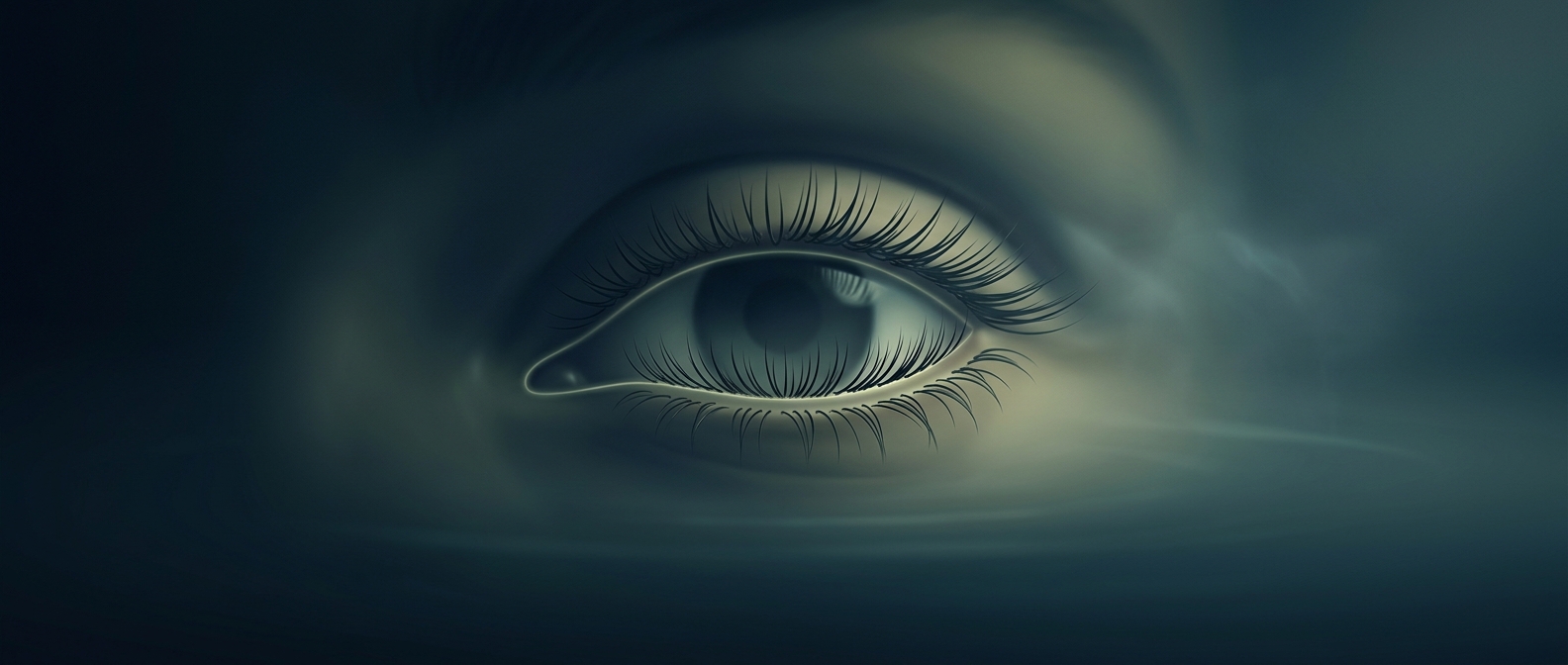
In distichiasis, the second row does not simply sprout from ordinary eyelash follicles. The lashes grow from openings of the meibomian glands—tiny oil-producing glands along the inner edge of each eyelid. Their oil helps keep tears from evaporating too quickly. Because these openings sit close to the eye, a lash growing from one can point inward rather than outward.
Some people are born with the condition; it can also develop later when eyelid tissue is altered by inflammation or scarring. The extra hairs may be so fine that they cause little trouble, or stiff enough to rub the clear front of the eye, called the cornea.
Why direction matters
A lash that touches the eye can produce a persistent gritty feeling, watering, redness, or sensitivity to light. Repeated rubbing may scratch the cornea, making the problem more than a cosmetic difference. Symptoms depend on the hairs’ position and texture, so two people with an extra row may have very different experiences.
An eye-care professional can check whether the lashes are actually contacting the eye and whether the cornea has been irritated. If they are causing damage or discomfort, options may include removing the lashes or treating the follicles so they do not regrow. Simple plucking often provides only temporary relief, because the lash can return.
The key detail is not the number of rows, but where the hairs emerge and which way they point: a small shift in eyelid anatomy can turn an unusual feature into a repeated scrape with every blink.