Why swallowed hair stays behind
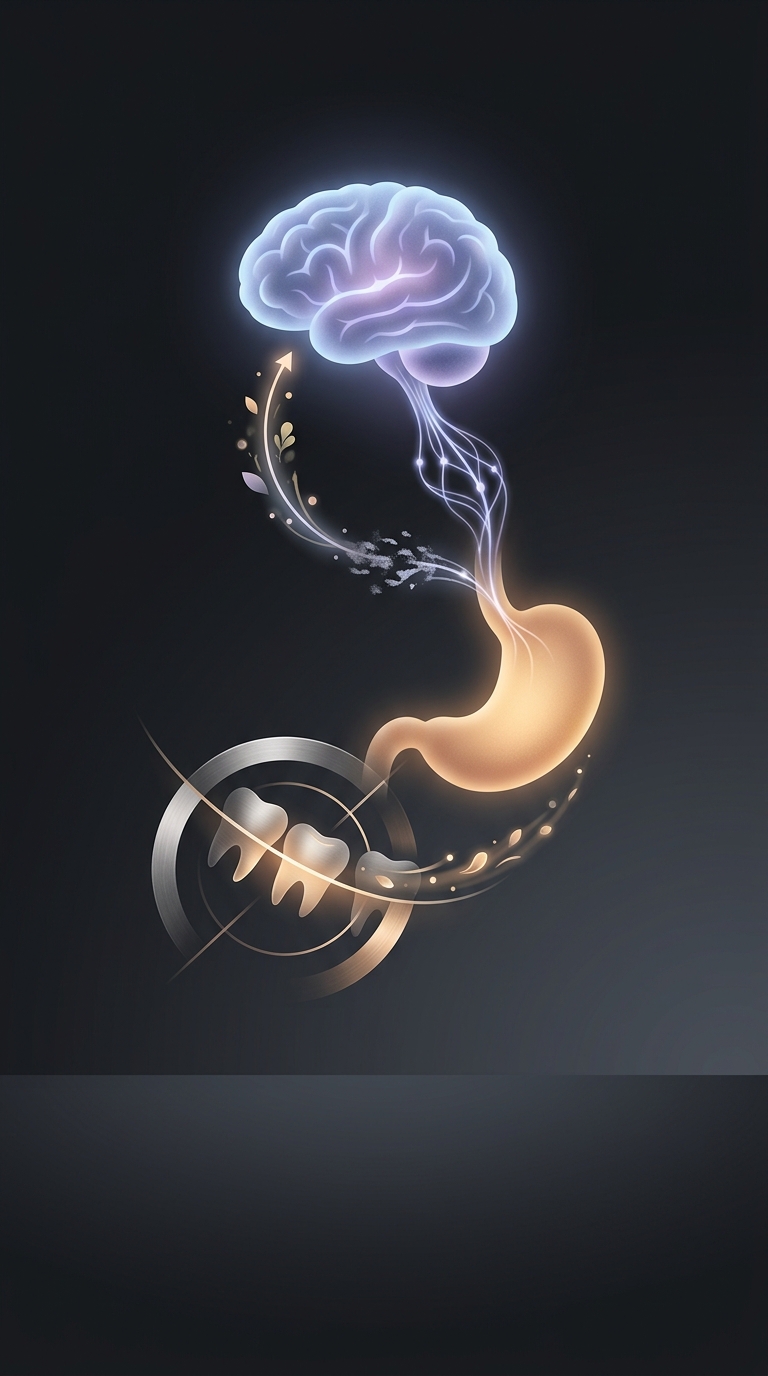
The stomach can churn food into smaller particles and mix it with acid, but it cannot break down hair’s tough protein, keratin, the way it breaks down many nutrients. Hair strands can snag on one another and on the stomach’s folds. As more strands arrive, they may trap food and mucus, gradually compacting into a mass called a trichobezoar.
Unlike ordinary stomach contents, this tangled mass does not pass easily into the intestine. It can grow quietly over time, while causing vague problems such as early fullness, nausea, or abdominal discomfort. If it blocks the stomach’s outlet or extends into the intestine, the consequences can become more serious.
Removing the mass is only part of the problem
A large hairball may be too dense or extensive to remove through the mouth with an endoscope, so surgery can be needed. The size of the mass is only one concern: if the behavior that led to swallowing hair continues, another can form.
Repeated hair eating, known as trichophagia, can occur alongside hair-pulling disorder. Addressing the behavior with appropriate mental health care can help reduce the chance of recurrence. The unusual danger is not that one swallowed strand is toxic; it is that strands that cannot be digested can accumulate faster than the body can move them along.