How food rules can take over
Orthorexia describes an unhealthy preoccupation with eating only foods considered pure, clean, or healthy. The problem is not caring about nutrition; it is when rules become so rigid that breaking them causes intense fear or guilt, and eating becomes harder to manage than everyday life.
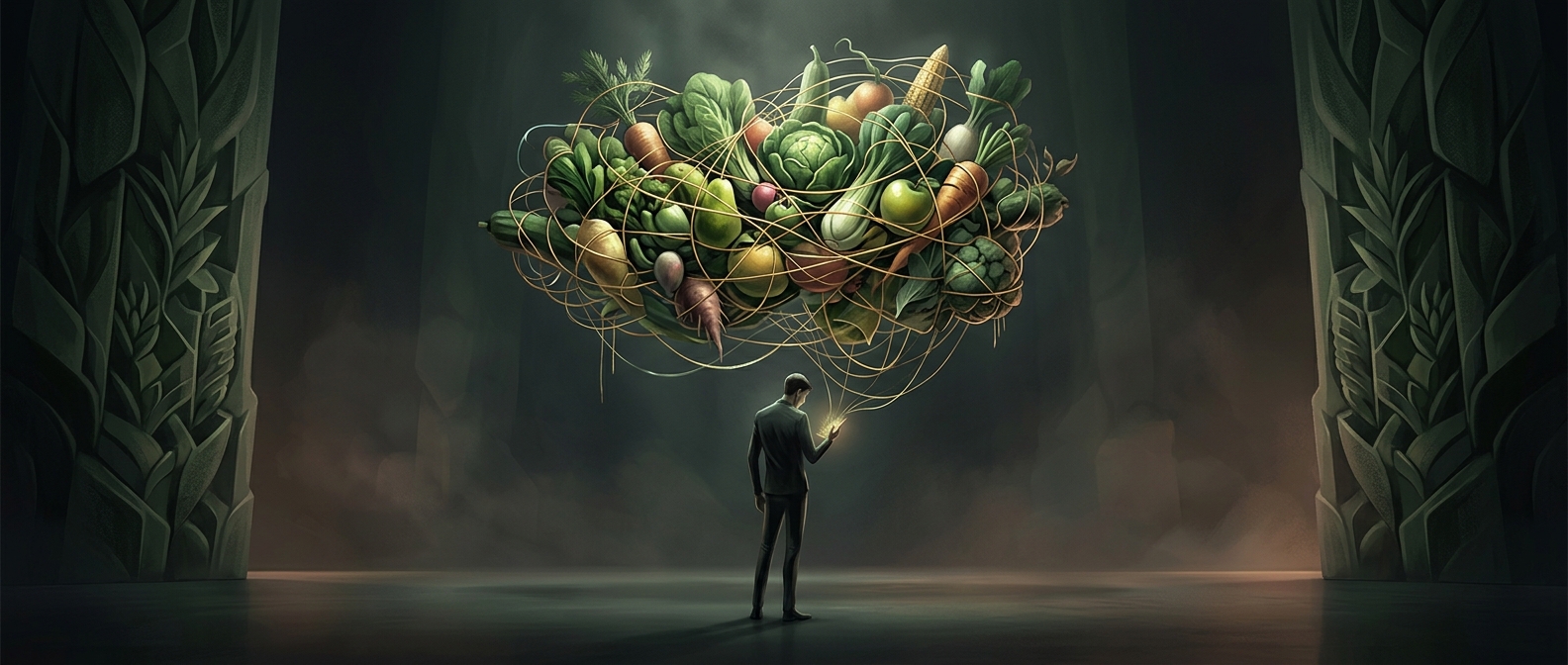
A rule may begin with a reasonable goal, such as avoiding a food that causes symptoms. But increasingly strict rules can make ordinary choices feel unsafe. A person may spend more time planning meals, reject food they did not prepare, or avoid social events where they cannot control what is served. Each new restriction can briefly ease anxiety, reinforcing the rule and making it harder to loosen later.
When “healthy” stops meeting the body’s needs
The body needs a range of nutrients to support basic functions, including energy use, tissue repair, and immune activity. A narrow diet may lack enough calories, protein, fats, vitamins, or minerals. Over time, that can cause weight loss, weakness, and other signs of malnutrition—even if the foods still allowed are considered nutritious on their own.
The outward appearance of discipline can make the danger easy to miss. Clinicians look beyond a person’s food choices to their health, distress, and how much eating rules interfere with daily life. A diet is not healthy merely because its rules sound health-conscious; it must also provide enough nourishment and leave room for ordinary living.