Why fullness may not stop an episode
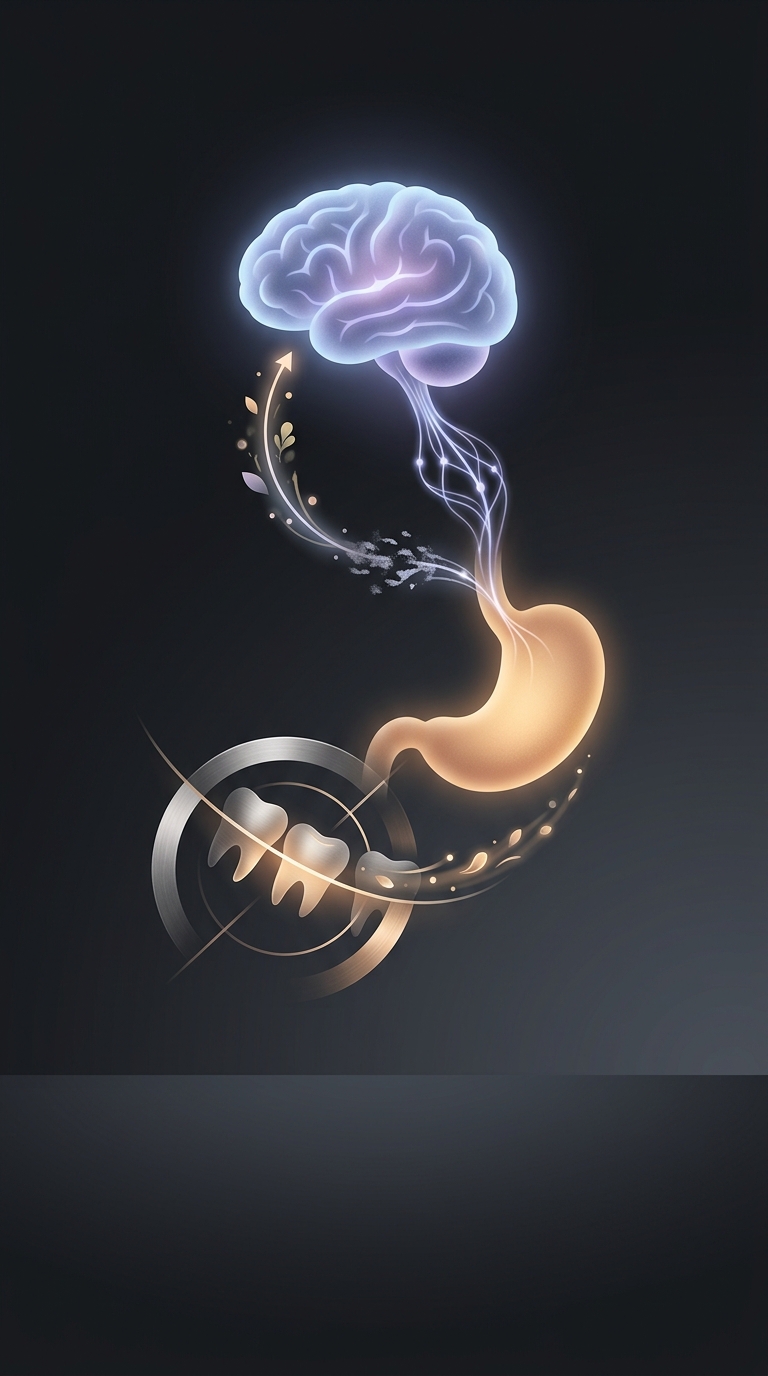
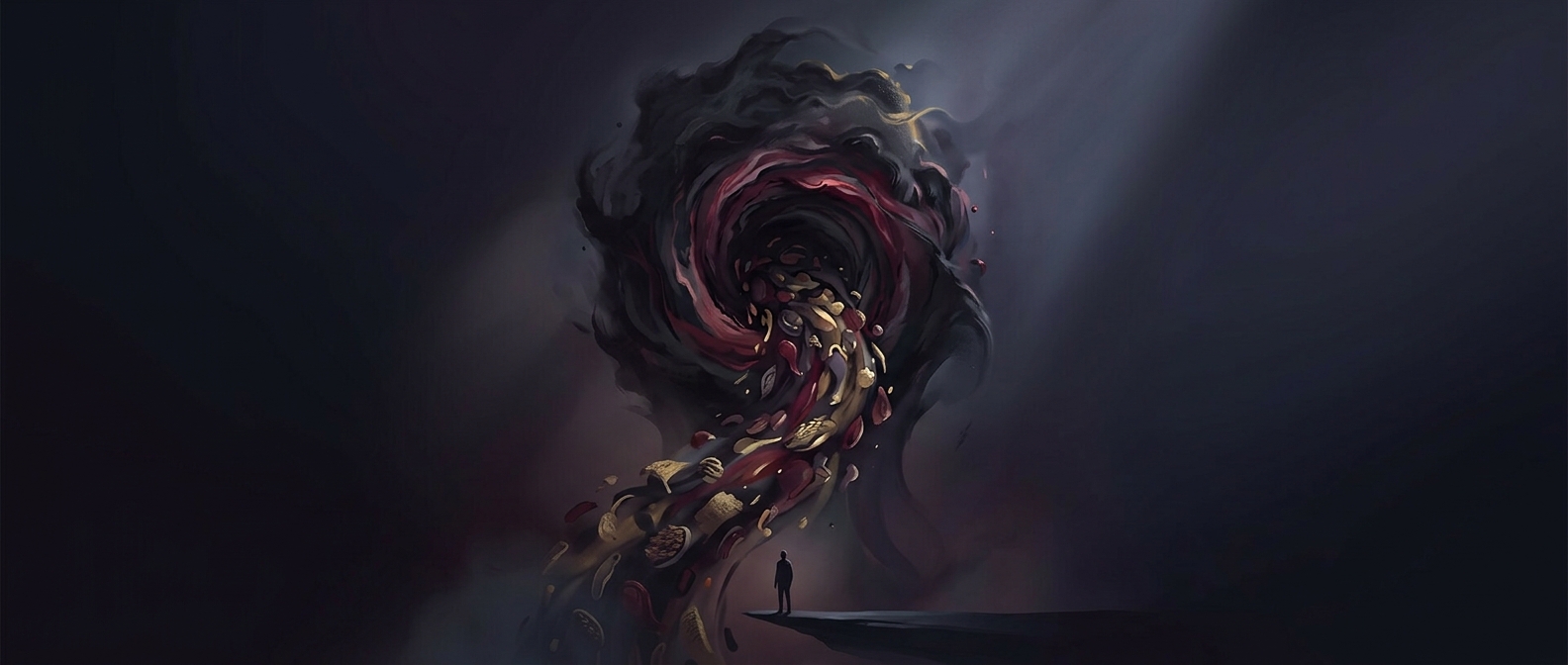
Eating usually responds to several signals at once: hunger, taste, habit, emotion, and messages from the stomach that it is filling. In a binge-eating episode, the sense of being unable to stop can overpower those ordinary cues. Food may continue to seem compelling even as fullness turns into pain or nausea. That does not mean the person is choosing discomfort or simply lacks discipline; loss of control is central to the experience.
More than an unusually large meal
A large meal by itself does not establish binge-eating disorder. The concern is a recurring pattern of eating unusually large amounts while feeling unable to control the behavior, accompanied by significant distress. Clinicians consider the pattern and its effects over time, rather than judging someone by one meal or by body size.
The episode can also be difficult to recognize from the outside. A person may eat quickly, privately, or past comfortable fullness, then feel shame or distress afterward. Those feelings can make it harder to describe what is happening or ask for help—but they are part of the burden, not proof of a personal failing.
Why recognizing the pattern matters
Because the problem involves both eating behavior and distress, advice to “just stop” misses the point. A health professional can assess whether the pattern fits binge-eating disorder and discuss treatment options. Naming the loss of control shifts the question from how much someone ate to what is making the episodes persist—and what support could interrupt them.