When the body’s eating schedule shifts into the night
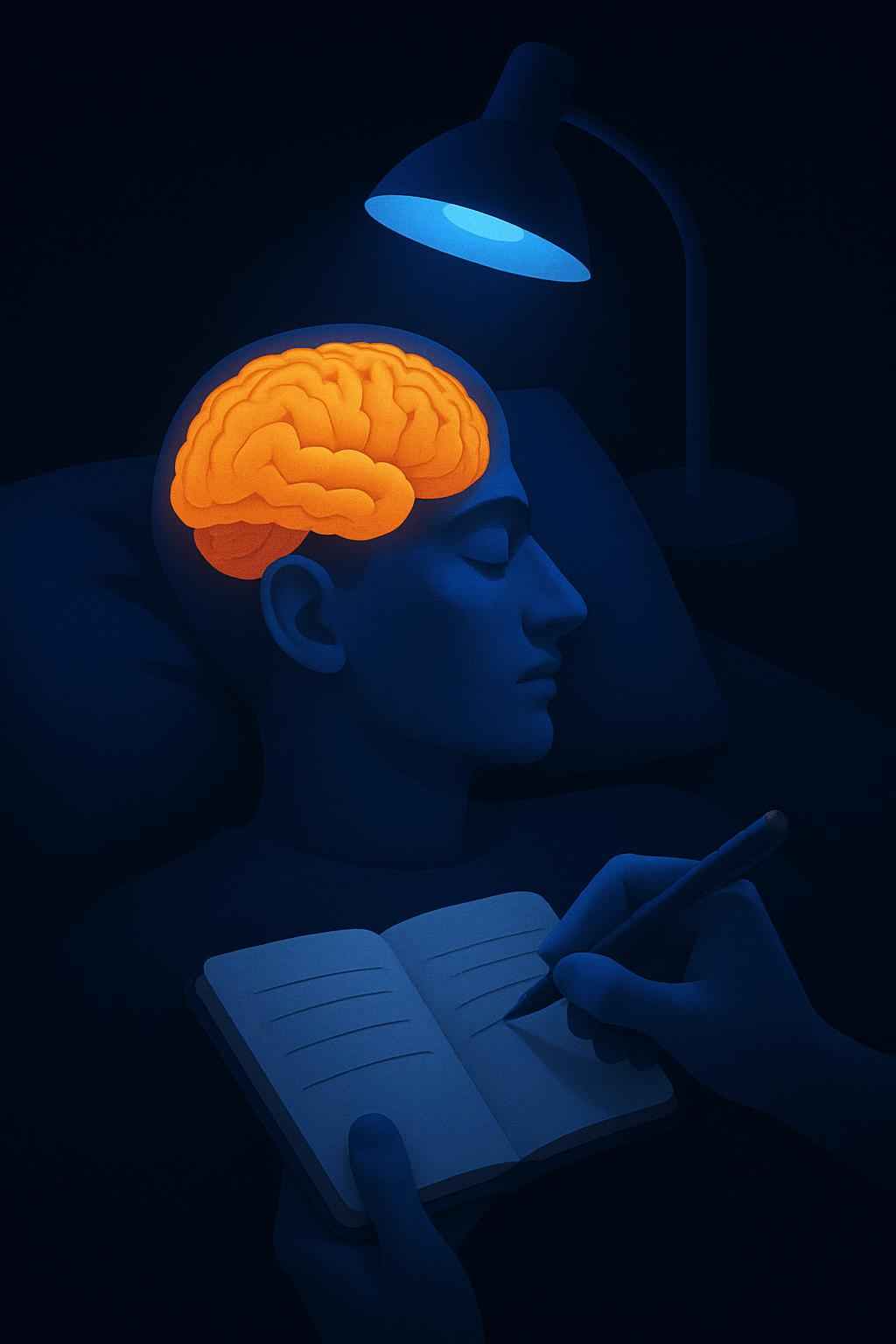
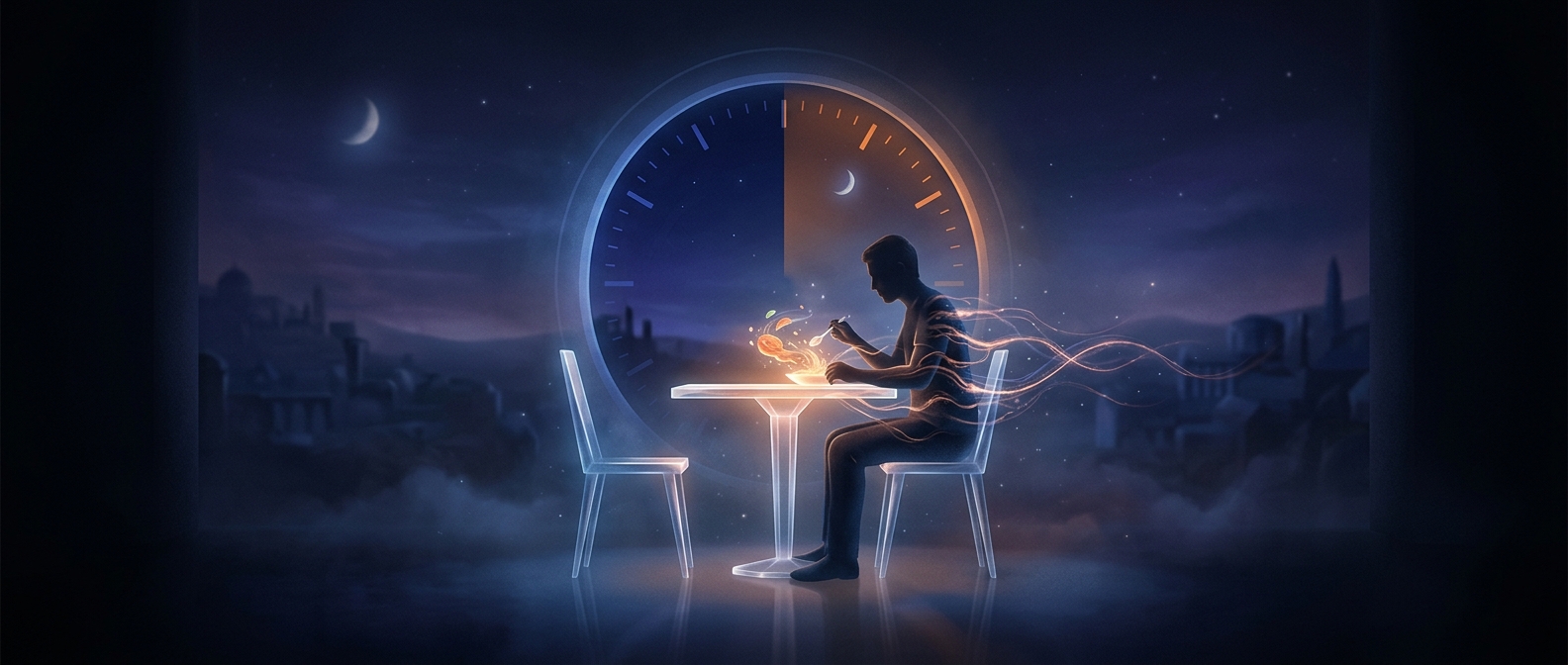
Night-eating syndrome is more than a late snack or an occasional night of poor sleep. A person may eat little earlier in the day, then consume a large share of their food after the evening meal or wake during the night to eat. The pattern can feel difficult to change because hunger—or the expectation that eating is needed—becomes linked to bedtime and waking.
How eating and sleep can reinforce each other
Sleep and appetite are regulated by overlapping systems, including the body’s internal clock, which helps coordinate daily rhythms. In night-eating syndrome, the timing of appetite appears out of step with the usual pattern of eating during waking hours. The precise causes are not fully understood, and the pattern is not simply a matter of weak willpower.
A reinforcing loop can develop: waking at night creates an opportunity to eat; eating becomes part of the routine for settling back to sleep; and the next night, being awake may prompt the same urge. Over time, this can make nighttime eating feel necessary even when the person would rather sleep.
Why the distinction matters
Night eating is not the same as eating while asleep. People with night-eating syndrome are generally aware of the episodes and remember them, whereas sleep-related eating can happen with little or no awareness. Persistent nighttime eating, distress, or disrupted sleep is worth discussing with a health professional: understanding the pattern can help distinguish it from other sleep or eating problems and guide appropriate care. The key clue is not one unusual night, but a recurring schedule in which food and waking become tied together.