Why Planets Shine in the Night Sky
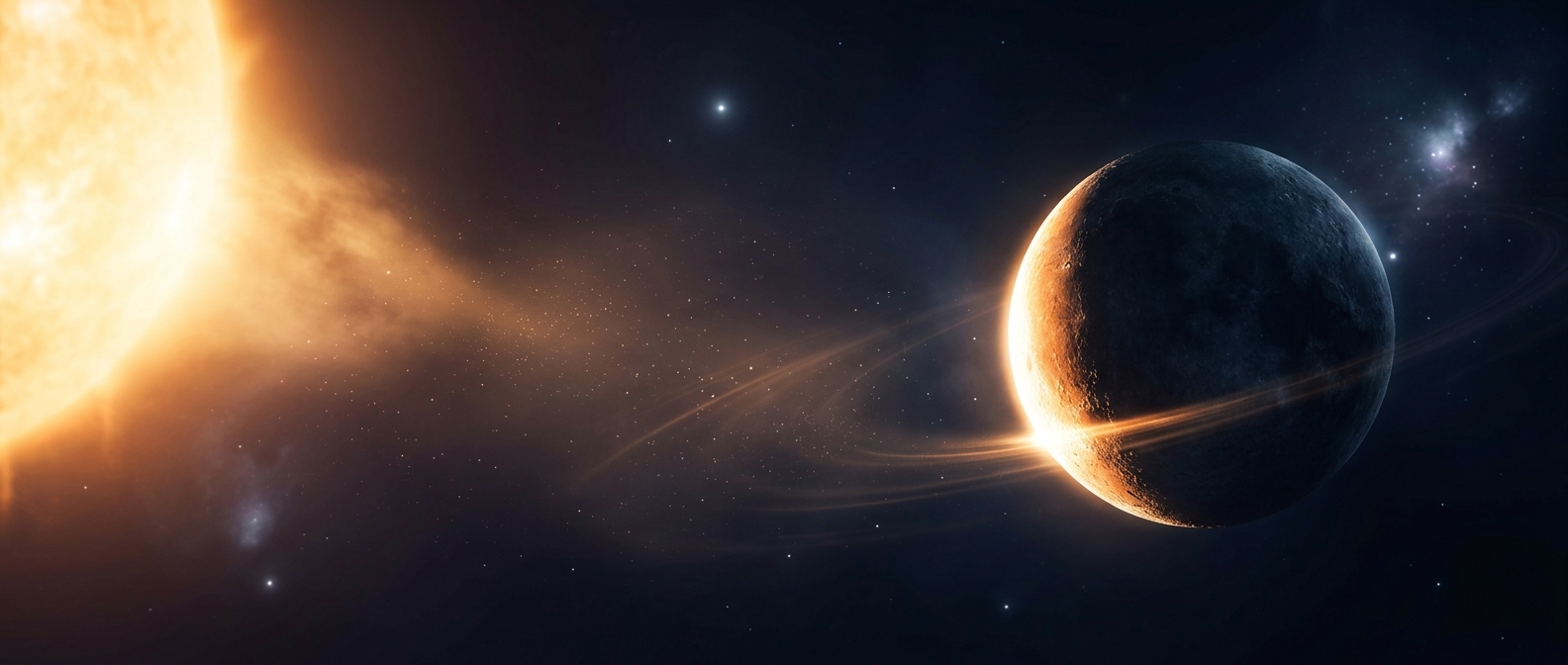
A planet’s visible glow is mostly borrowed light. Sunlight travels outward, strikes the planet’s surface or clouds, and some of it scatters back into space. When that reflected light reaches Earth, the planet appears bright against the dark sky. Unlike a star, a planet does not shine by producing visible light through nuclear fusion.
A Brightness That Depends on Geometry
How much reflected light we see depends on the planet’s size, its distance from the Sun and Earth, and how much of its sunlit side faces us. Venus can look exceptionally bright because its cloud-covered atmosphere reflects sunlight efficiently and it sometimes comes relatively close to Earth. Its changing phases, like the Moon’s, are another visible consequence of sunlight illuminating it from different angles.
The word “reflect” does not mean planets emit nothing at all: large planets also give off heat from their interiors, mainly detectable as infrared radiation. But that is different from the visible glow people usually notice in the sky.
What the Glow Can—and Cannot—Show
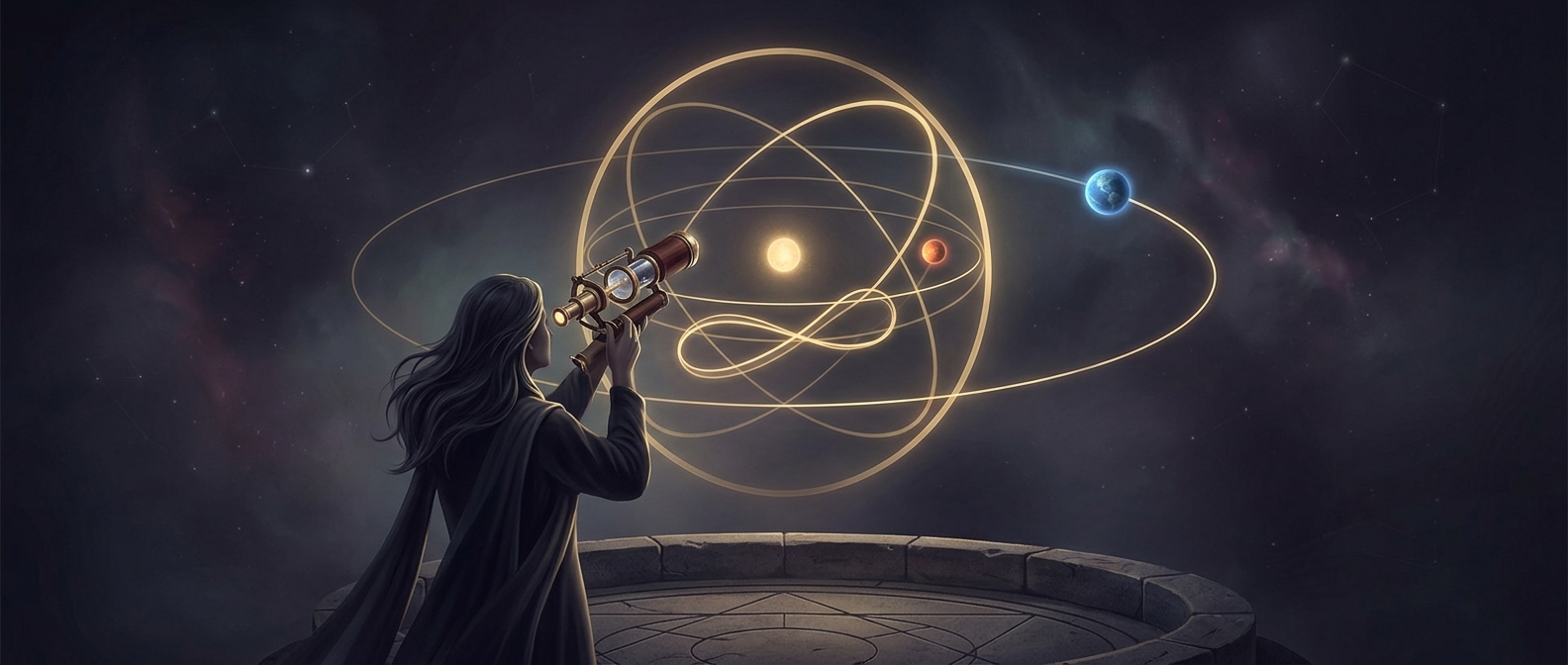
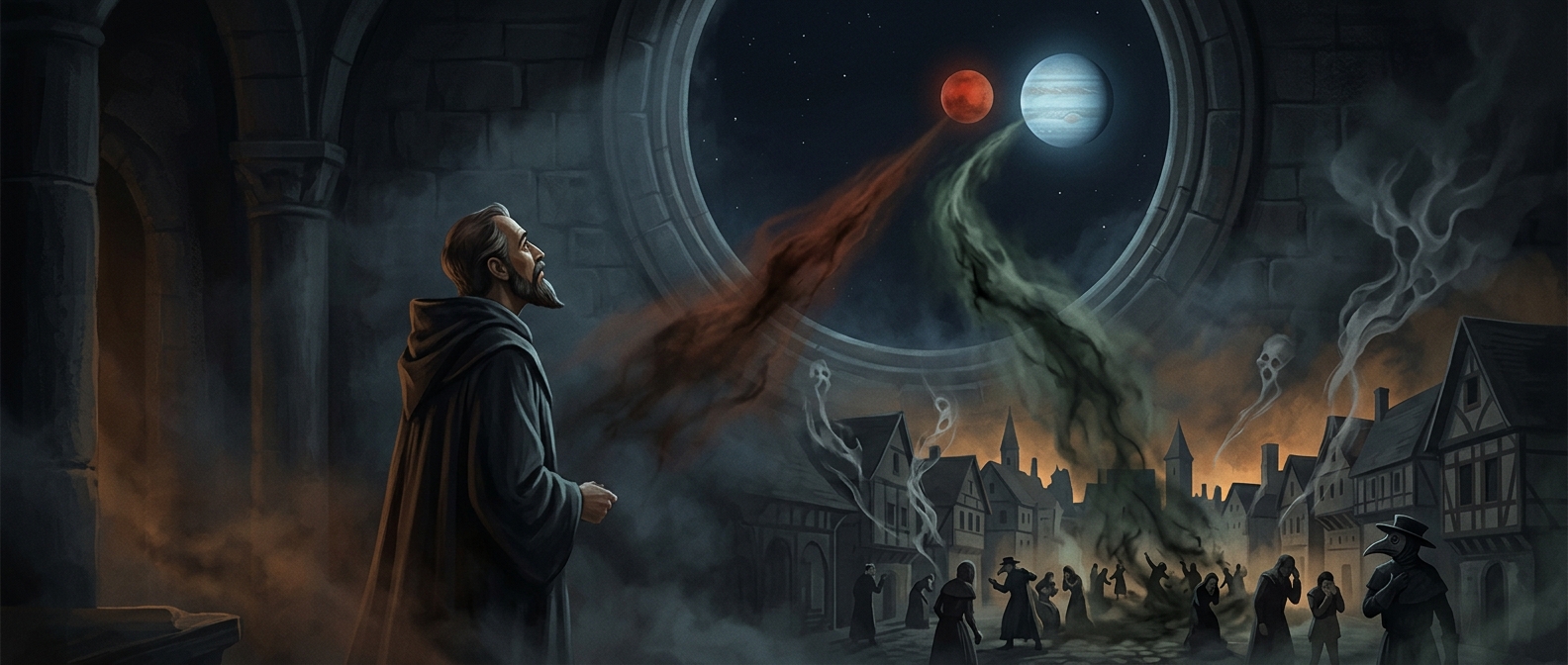
Astronomy can trace a planet’s visible brightness to sunlight and the geometry of the solar system. Astrology gives the planets a separate meaning, assigning them roles in human affairs; that interpretation is not a property of the light itself. The same bright point seen from Earth is, physically, sunlight that made a long round trip: from the Sun to a planet, then onward to us.