How a small dune landscape can form in British Columbia
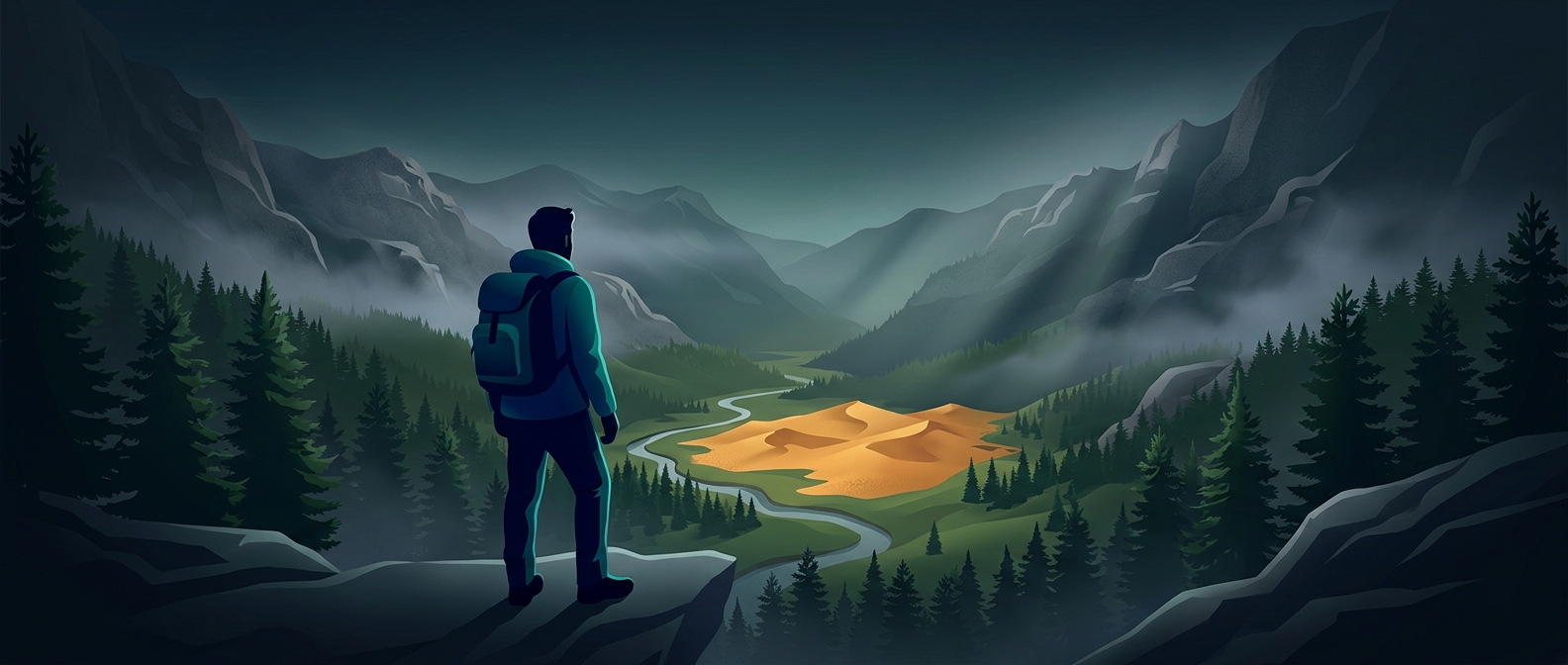
Sand dunes do not require a vast desert. They need a supply of loose sand, wind strong enough to move it, and a place where the grains can settle. When wind slows—around a change in terrain or a patch of plants, for example—sand accumulates. Repeated gusts can gradually build low ridges and mounds.
The local conditions matter
British Columbia is often associated with forests and abundant rain, but its climate varies sharply across the province. Mountain ranges block some moisture from reaching inland valleys, creating drier areas where exposed sand can persist. Sand may also be left behind by rivers, lakes, or glaciers; wind can then gather and reshape it.
Plants help determine what happens next. Their stems catch drifting grains, while roots bind the surface. Where vegetation is sparse, sand can keep shifting; where it takes hold, dunes become more fixed. That balance can produce a small, distinct patch of dunes rather than an uninterrupted desert.
A landscape made by wind and restraint
A pocket of dunes is a record of several forces working together: a nearby source of sand, local wind, and just enough dryness for the grains to remain exposed. Its limited size is part of the explanation. The conditions that make dunes possible can occur in one sheltered valley or open patch without extending across the surrounding region.