The rock beneath the falls sets the pace
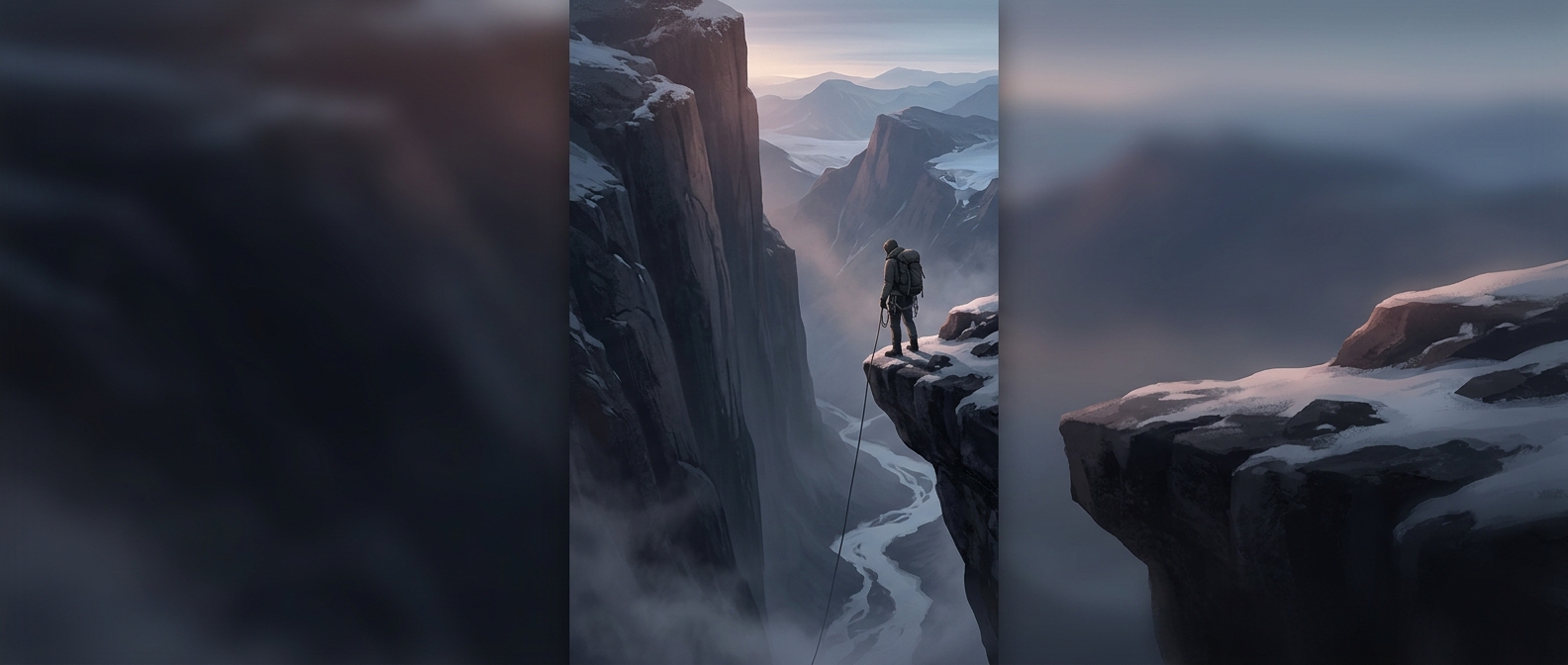
Niagara’s retreat is driven by a weakness hidden below its dramatic curtain of water. The upper edge is capped by hard limestone, while softer shale lies beneath it. Water plunging into the gorge swirls around broken rock and wears away the shale first, hollowing out a recess behind the limestone. Eventually, the unsupported overhang cracks and falls into the river. Each collapse shifts the brink a little farther upstream.
That process is called headward erosion: a river works backward toward its source by cutting into the land at the top of a drop. Niagara’s “one foot a year” is a long-term estimate, not a clockwork pace. Retreat comes in uneven steps as rock breaks away, and the rate can change with the amount of water and the structure of the rock.
A natural river with a managed flow
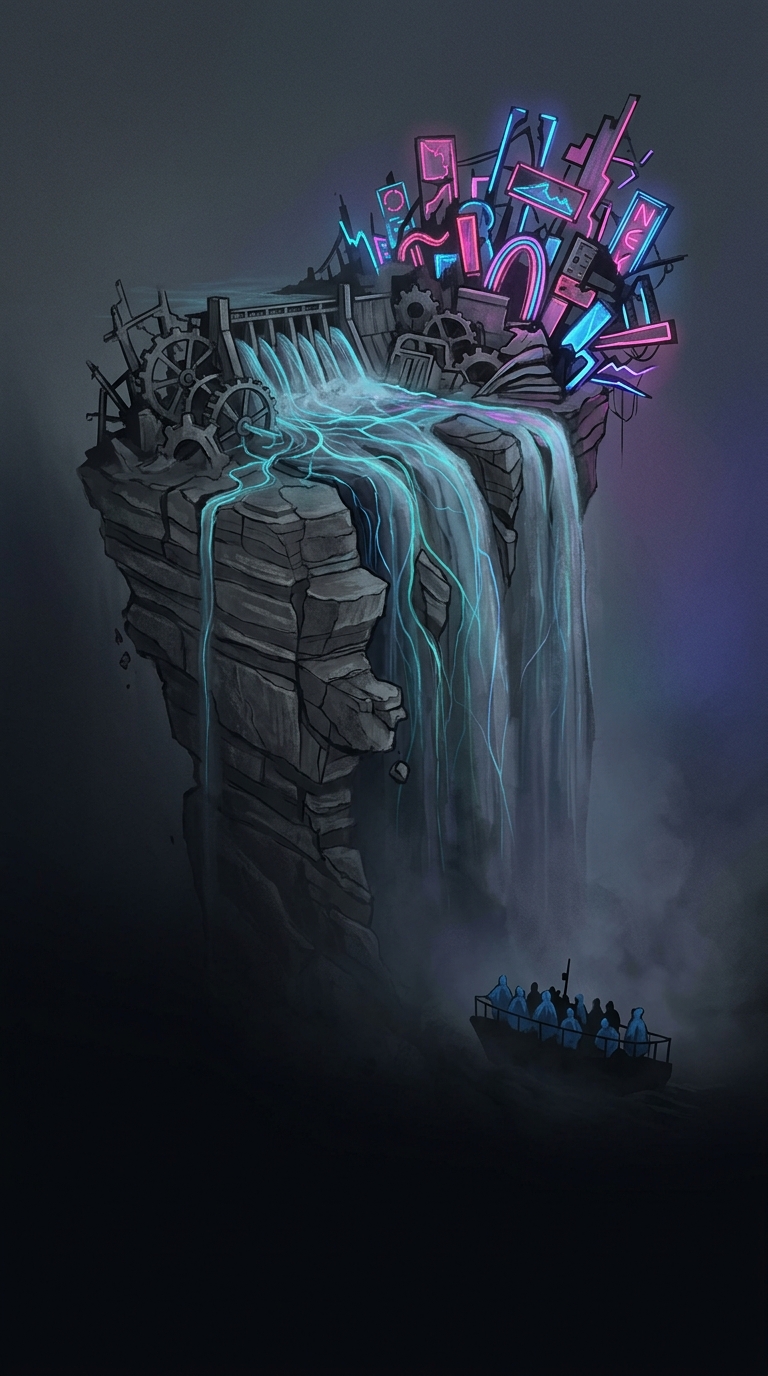
The Niagara River also serves as a source of hydroelectric power. Diversion channels carry some water to generating stations, while dams and control works help regulate how much flows over the falls at different times. That engineering affects the spectacle visitors see—and the force doing the eroding—but it does not stop the underlying cycle of undercutting and collapse.
Over geological time, continued retreat could carry the falls upstream toward Lake Erie, leaving the river to flow through a channel instead of plunging over a cliff. That is not an imminent change: the rate is gradual and variable, and the river’s course and human management matter. For visitors, the striking implication is that the familiar brink is not a permanent edge; the gorge is the record of earlier versions of the falls, cut into the landscape one collapse at a time.