A Familiar Match Needs New Decisions
A battle royale match is built around a simple pressure cooker: many players enter a large arena, resources are limited, and the playable space narrows until only a few remain. That structure creates tension, but it can also become predictable. Once players learn the map and its usual routes, each match risks feeling like a replay of the last.
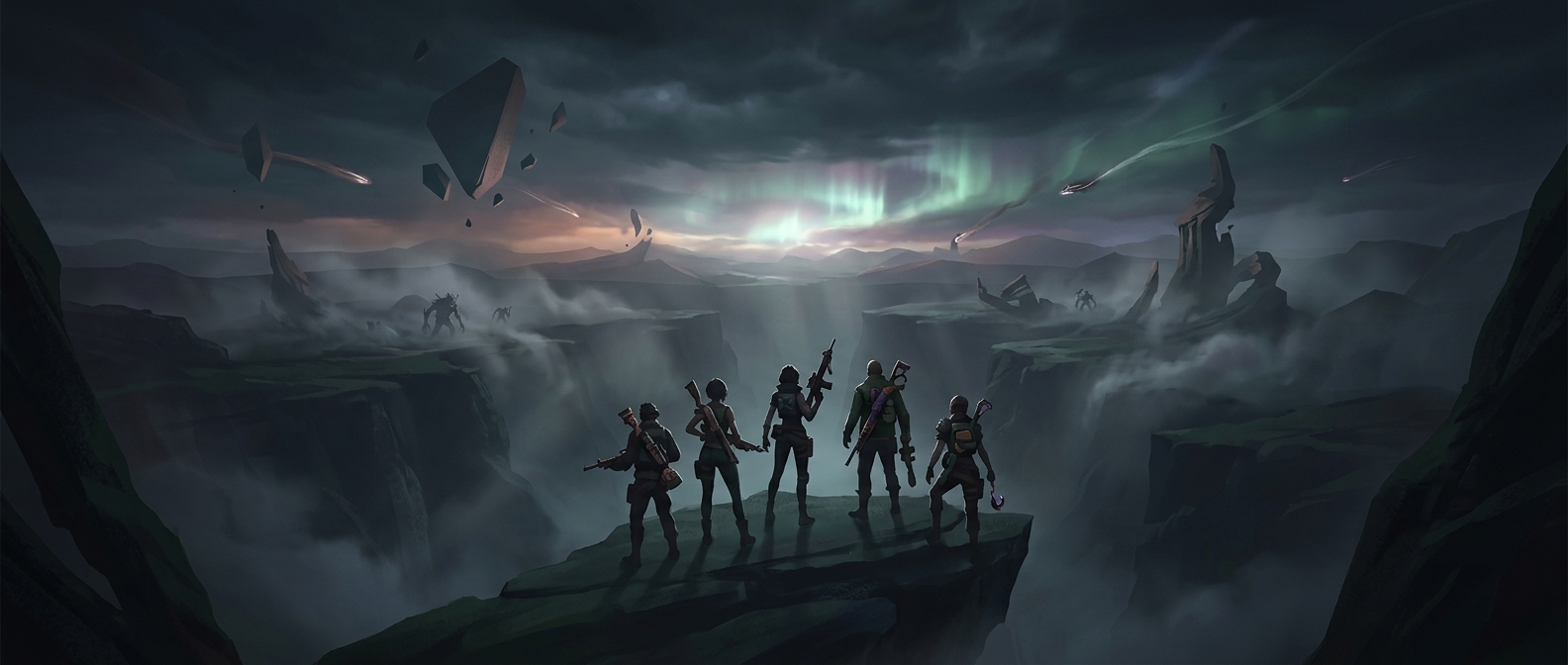
Adding a sea monster or a lava-filled island changes more than the scenery. A dangerous creature can make a familiar shoreline feel unsafe; lava can close off a direct route and force players to choose between a longer detour and a risky crossing. The twist matters when it changes what players do, not merely what they see.
Novelty Has to Preserve the Competition
Developers face a tight design tradeoff. A new threat should disrupt settled habits and create memorable surprises, but players still need to understand the danger and make meaningful choices. If a hazard is impossible to read or avoid, it can feel arbitrary rather than exciting. If it is too easy to ignore, it becomes decoration.
That balance is especially important in a game where survival depends on positioning, timing, and scarce equipment. A map-changing hazard can alter which routes are valuable, where players gather, and when they decide to move. It can make old knowledge useful but incomplete: experience helps, yet the current match still demands attention.
The Update Is Part of the Match
In a crowded genre, a changing arena gives returning players a reason to reconsider familiar strategies. It also gives developers a way to keep the central competition recognizable while changing the circumstances around it. The most effective twist does not replace the battle royale formula; it gives players a new problem to solve inside it.
That is why a monster or a river of lava can matter beyond its spectacle: it can turn a known shortcut into a decision—and make the next encounter unfold somewhere unexpected.