Why a loading bar can move without measuring
A program often cannot know exactly how long a task will take. It may know that it has copied 40 of 100 files, for example, but not how large the remaining files are or how quickly the computer will process them. Other tasks—opening a project, connecting to a server, or preparing a page—may have no simple countable finish line at all.
That leaves designers with a choice: show a bar that reflects only what the software can measure, or offer a smoother estimate of the wait. A measured bar can race ahead during easy steps and then appear frozen during a difficult one. An estimate can make progress look steadier, even when the underlying work is not.
The bar is also managing expectations
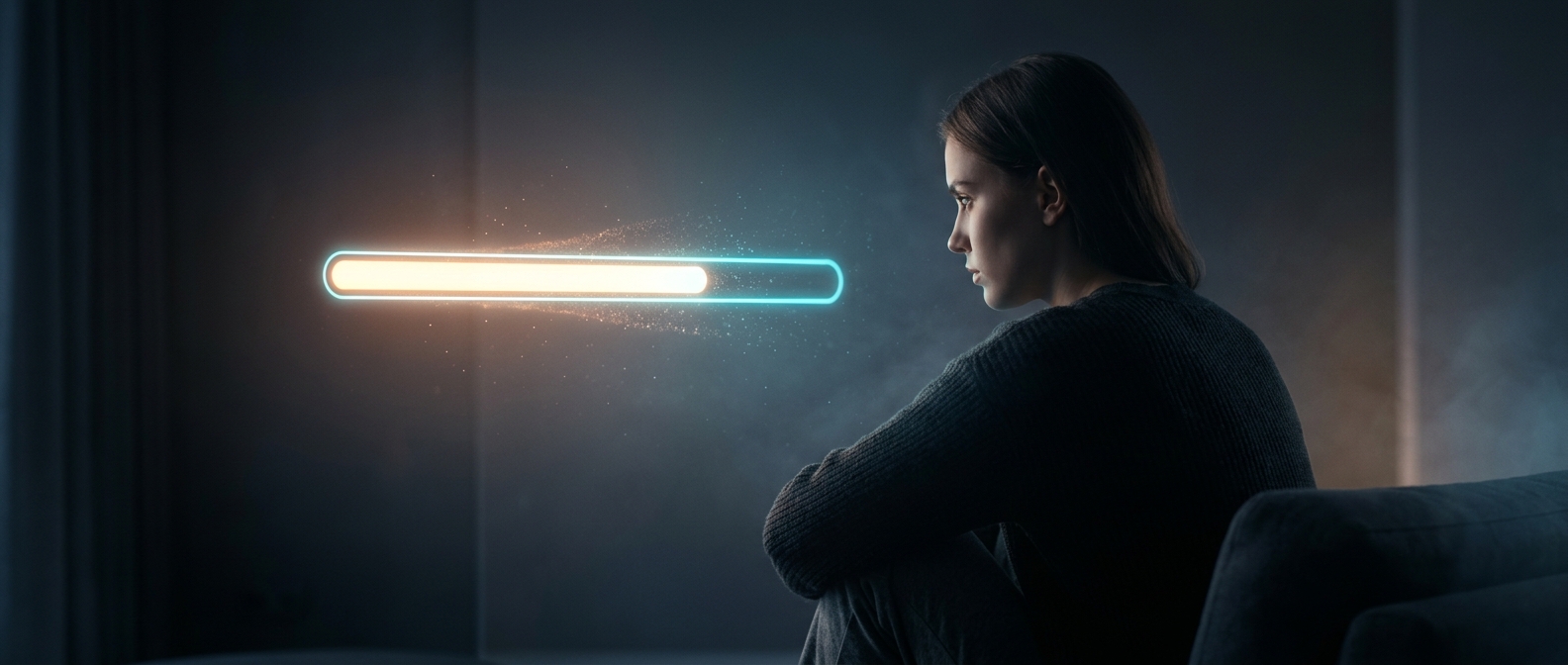
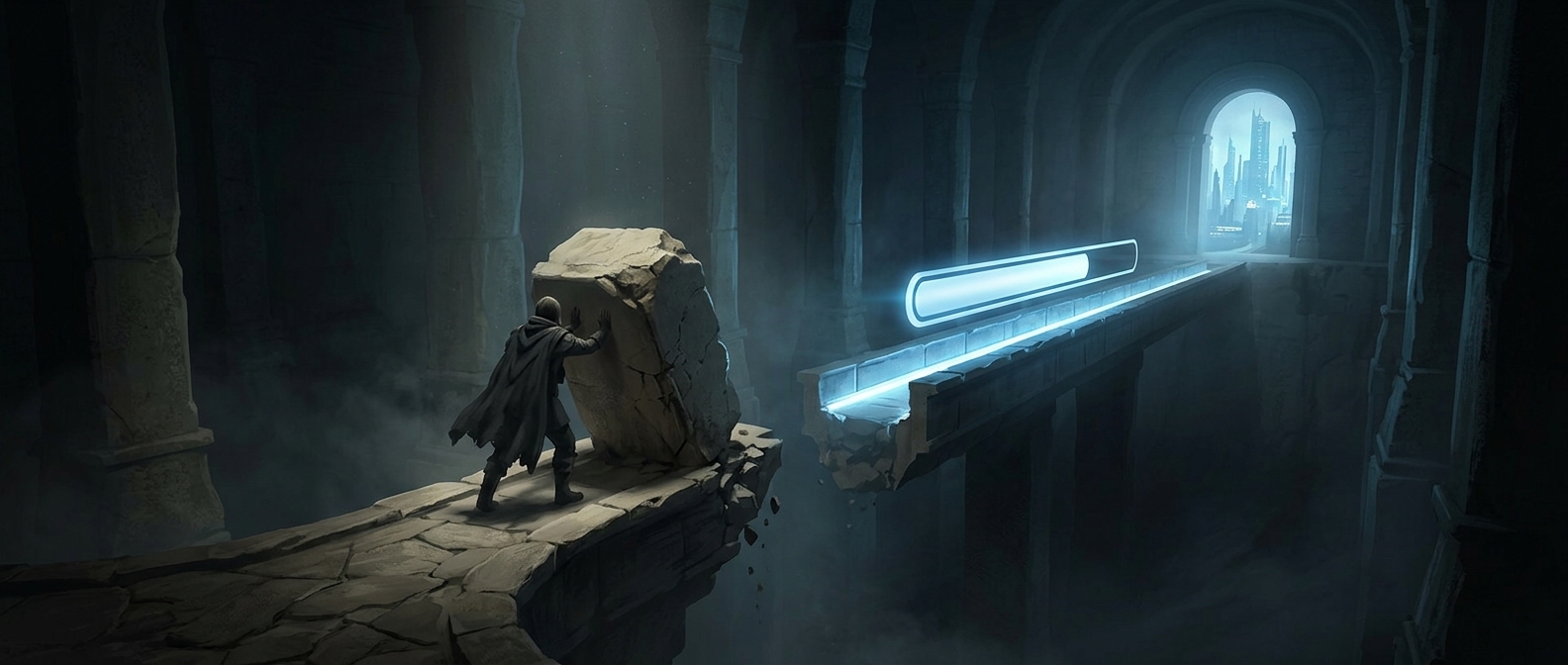
A progress indicator is part status display and part communication tool. Designers may slow its apparent movement near the end so it does not reach 100 percent before the task is actually complete. Some interfaces instead use an indeterminate animation—a moving shape that signals activity without claiming a specific percentage—when there is no trustworthy progress figure to show.
These choices can make an estimate feel more reassuring, but they cannot make the computer finish sooner. If a bar pauses, the software may still be working through a step whose duration is hard to predict; if it advances smoothly, that motion may describe the expected wait rather than a precise count of completed work. The useful question is not whether the bar moves, but what its movement is actually measuring.